
Wild New England
The region’s collection of native species is under threat on several fronts, most notably from humanity’s shortsightedness. Humans aren’t giving the natural world the space it needs and deserves. We’re crowding out non-human life, which, in turn, makes nature less productive and us less healthy. This series examines the animals and insects most at risk.

Biodiversity Blues: Much of Region’s Animal and Insect Populations Under Threat of Disappearing
Southern New England’s appetite for open space, woodlands, and wild areas is going to leave Rhode Island, Massachusetts, and Connecticut largely populated with deer, coyotes, raccoons, opossums, rats, mice, pigeons, lice, bedbugs, and cockroaches.
Read Story


Southern New England Freshwater Fishing in Hot Water
Warming waters are a significant threat to freshwater ecosystems and the fish humans like to catch.
Read Story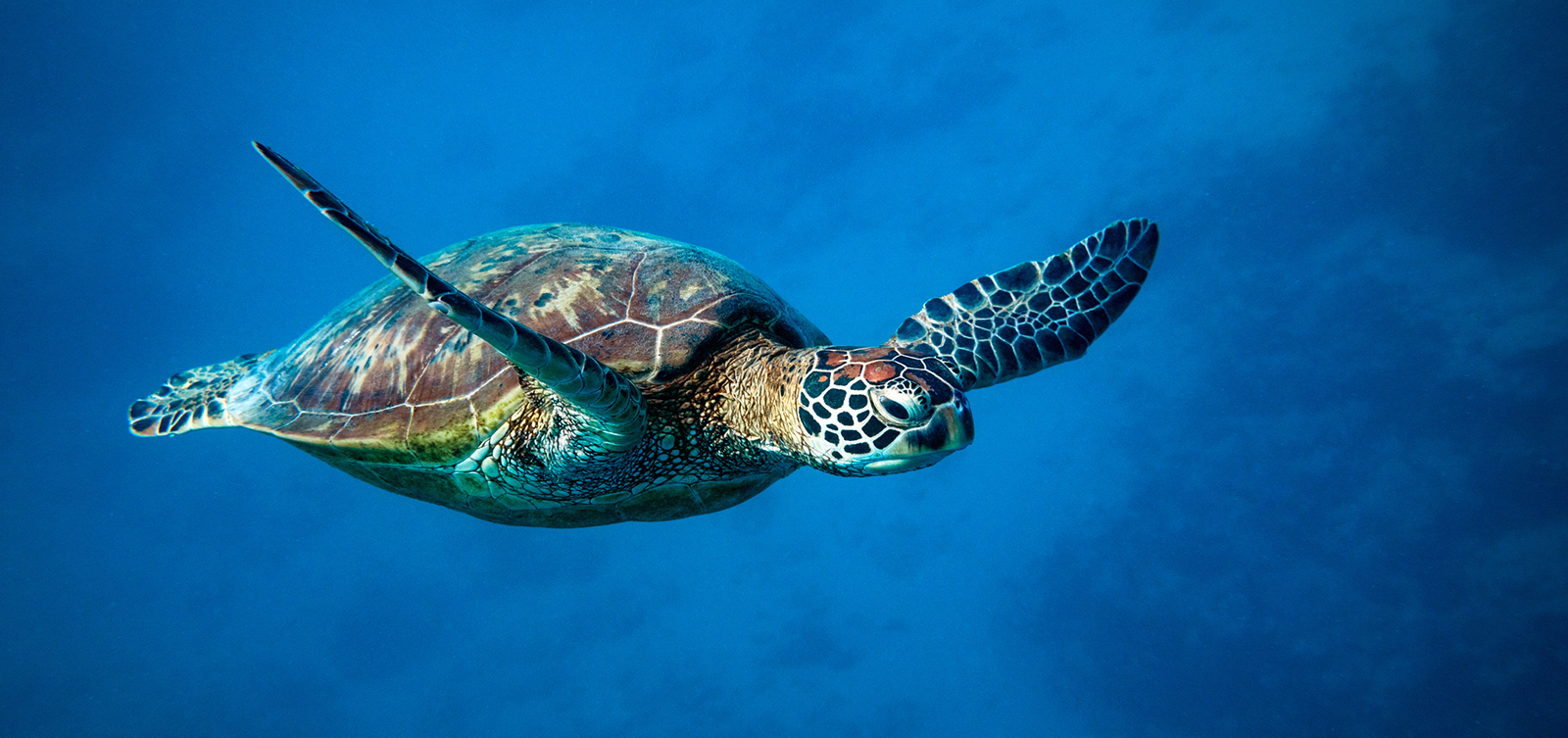


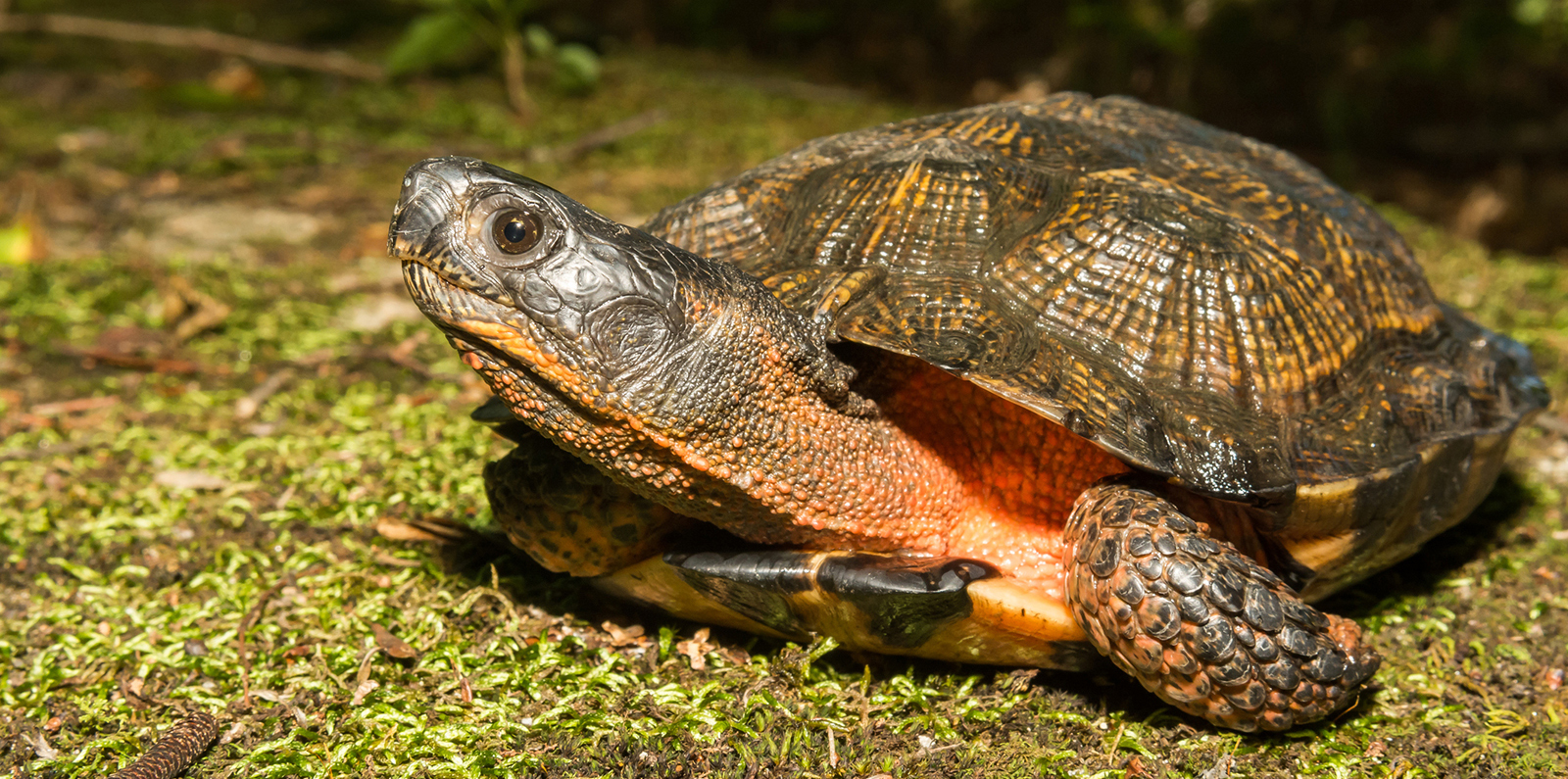
Forest Clear-Cutting, Water Pollution Take Toll on Wood Turtles
Wood turtles were once common in the Northeast, in habitats that featured streams, fields, and forests. But a combination of factors, mostly due to human activity, have caused their populations to plummet.
Read Story
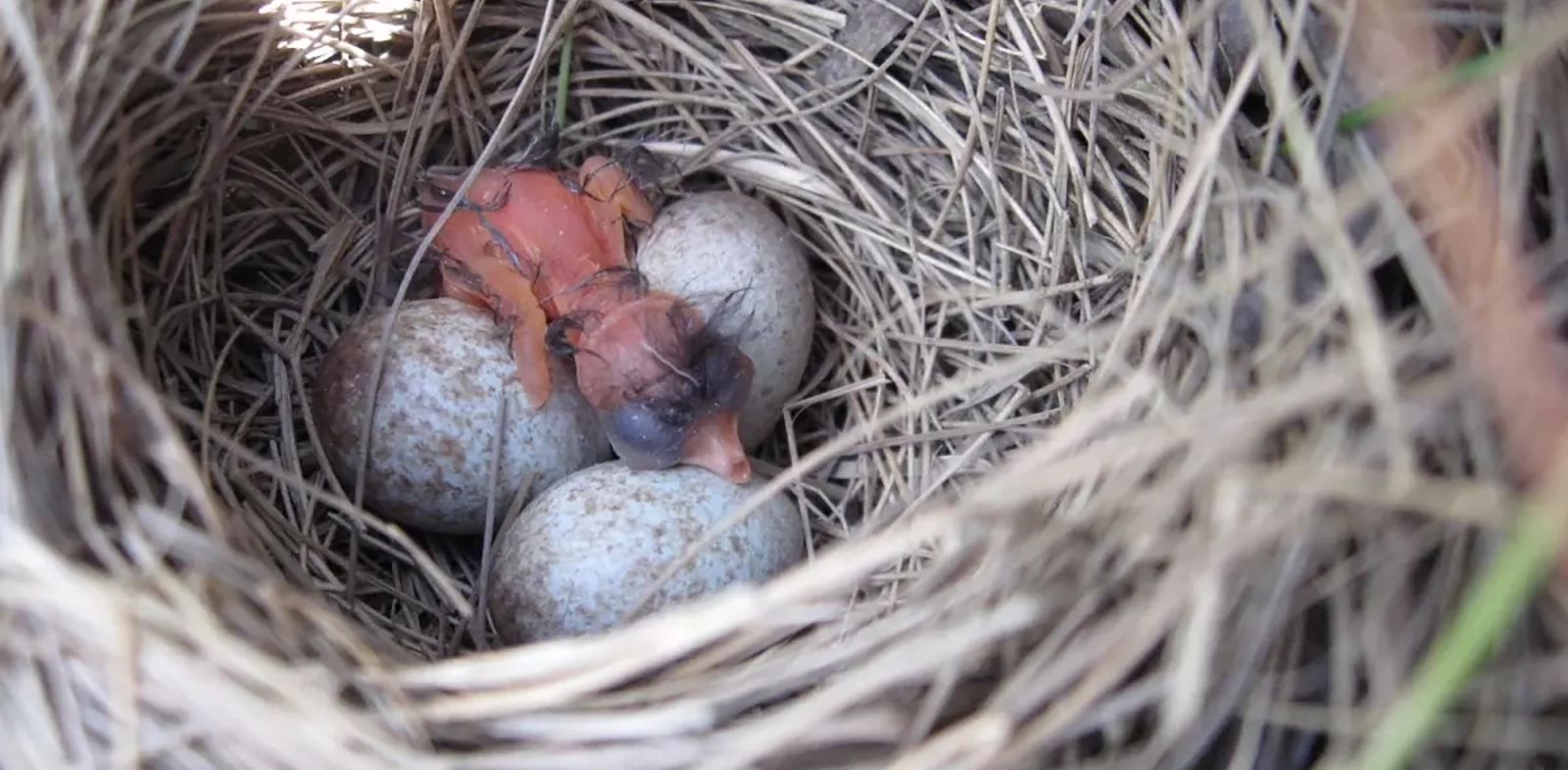
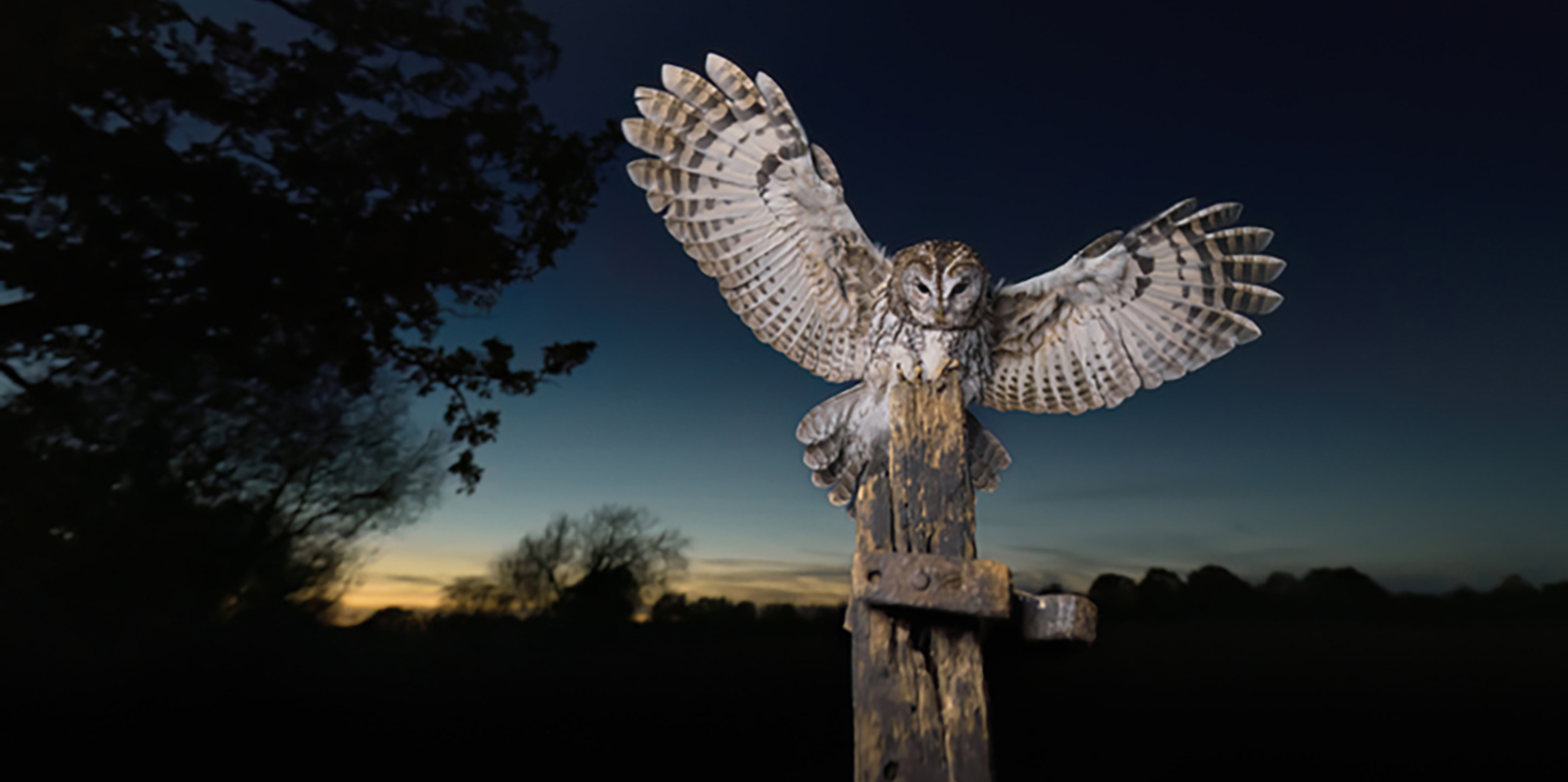
Myths, Make-Believe and Sorcery: Human Portrayal of Owls All Over the Place
Few other birds — or creatures, for that matter — have so many varied and contradictory beliefs swirling around them. Owls are both feared and revered, scorned and adored.
Read Story
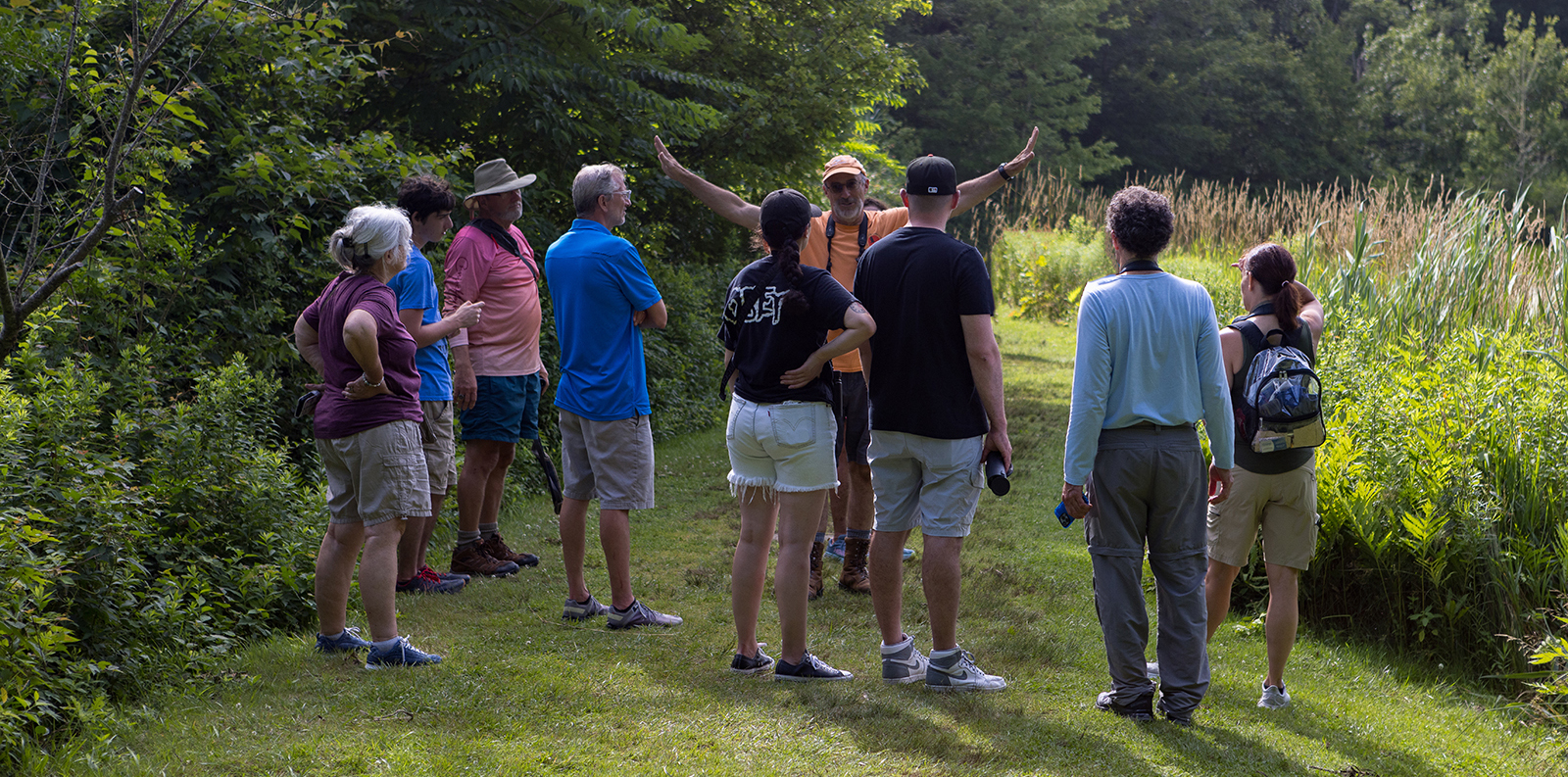
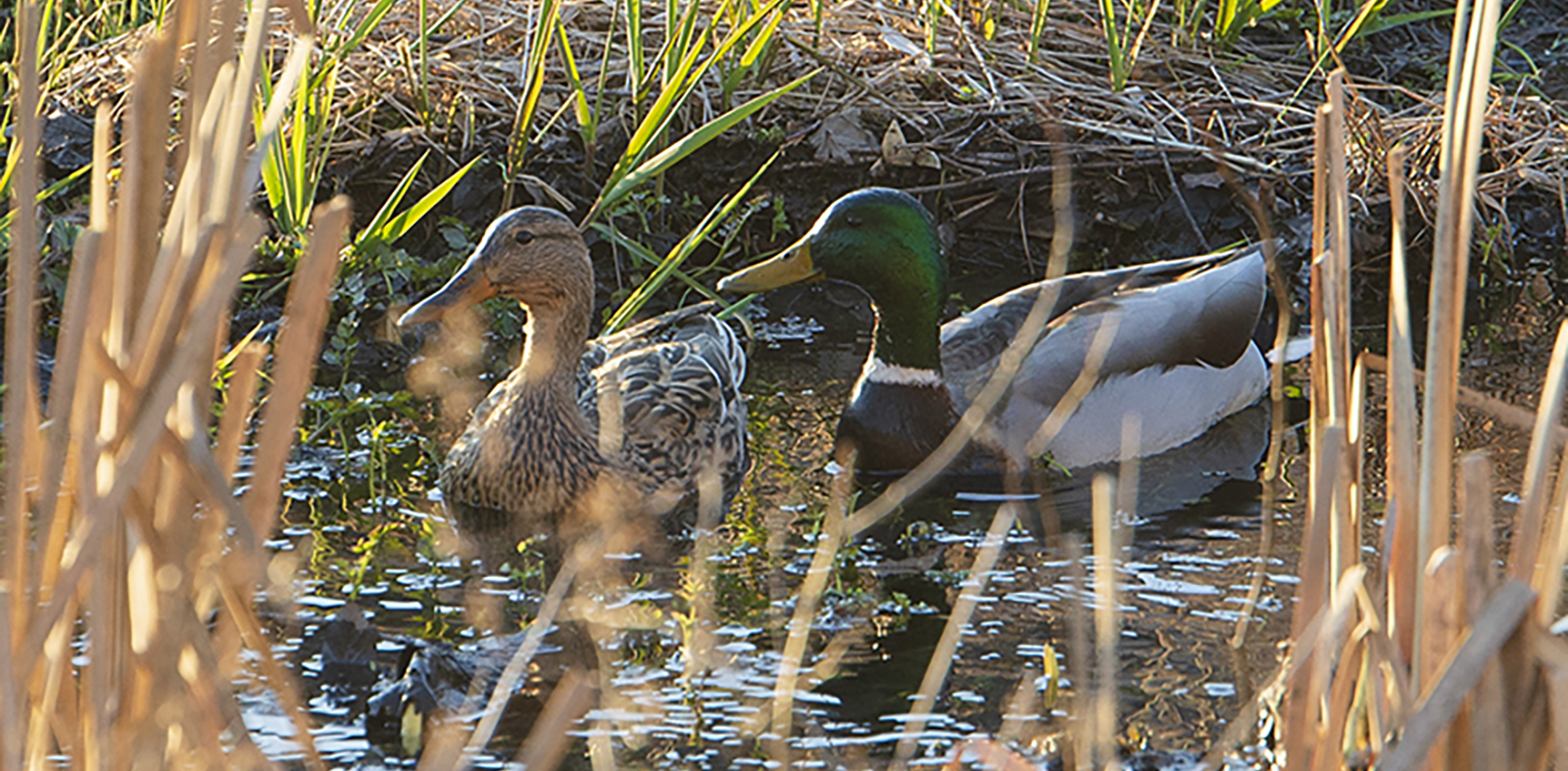
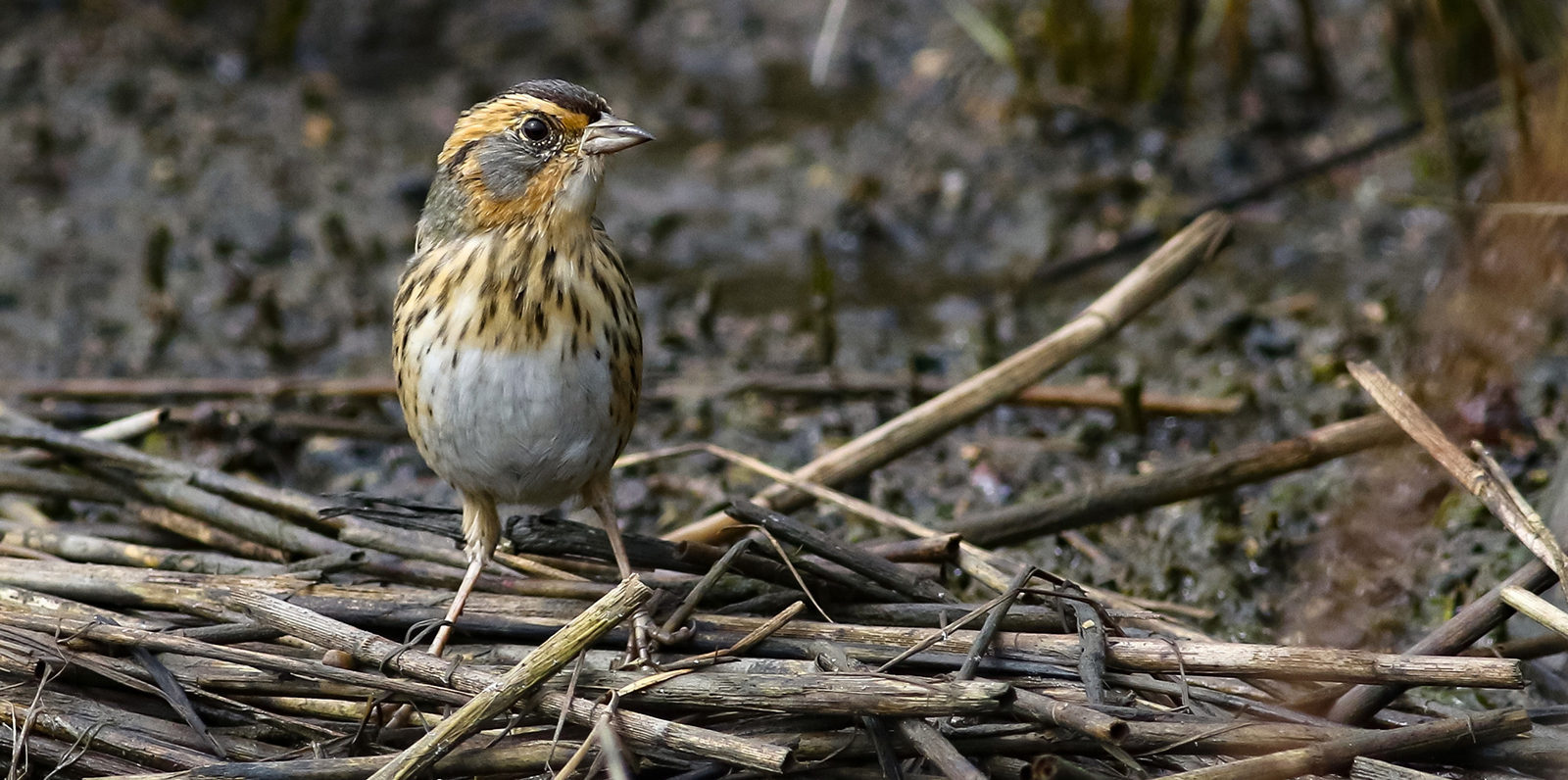
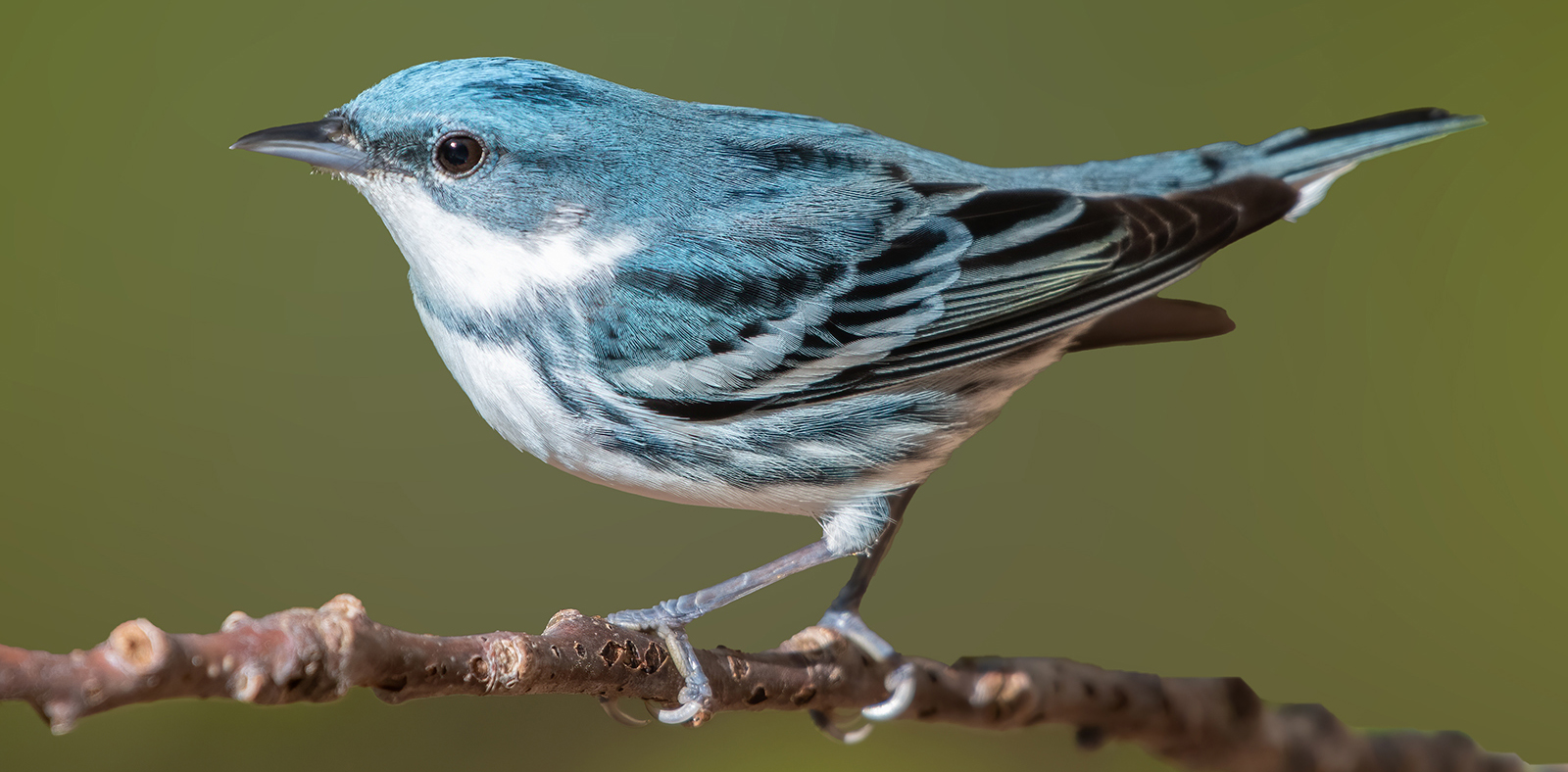
Global Heating Discombobulates Region’s Bird Populations
The climate crisis is leading to avian population declines, particularly with those species that undergo long-distance migration, such as the common yellowthroat, the wood thrush, and the American goldfinch.
Read Story

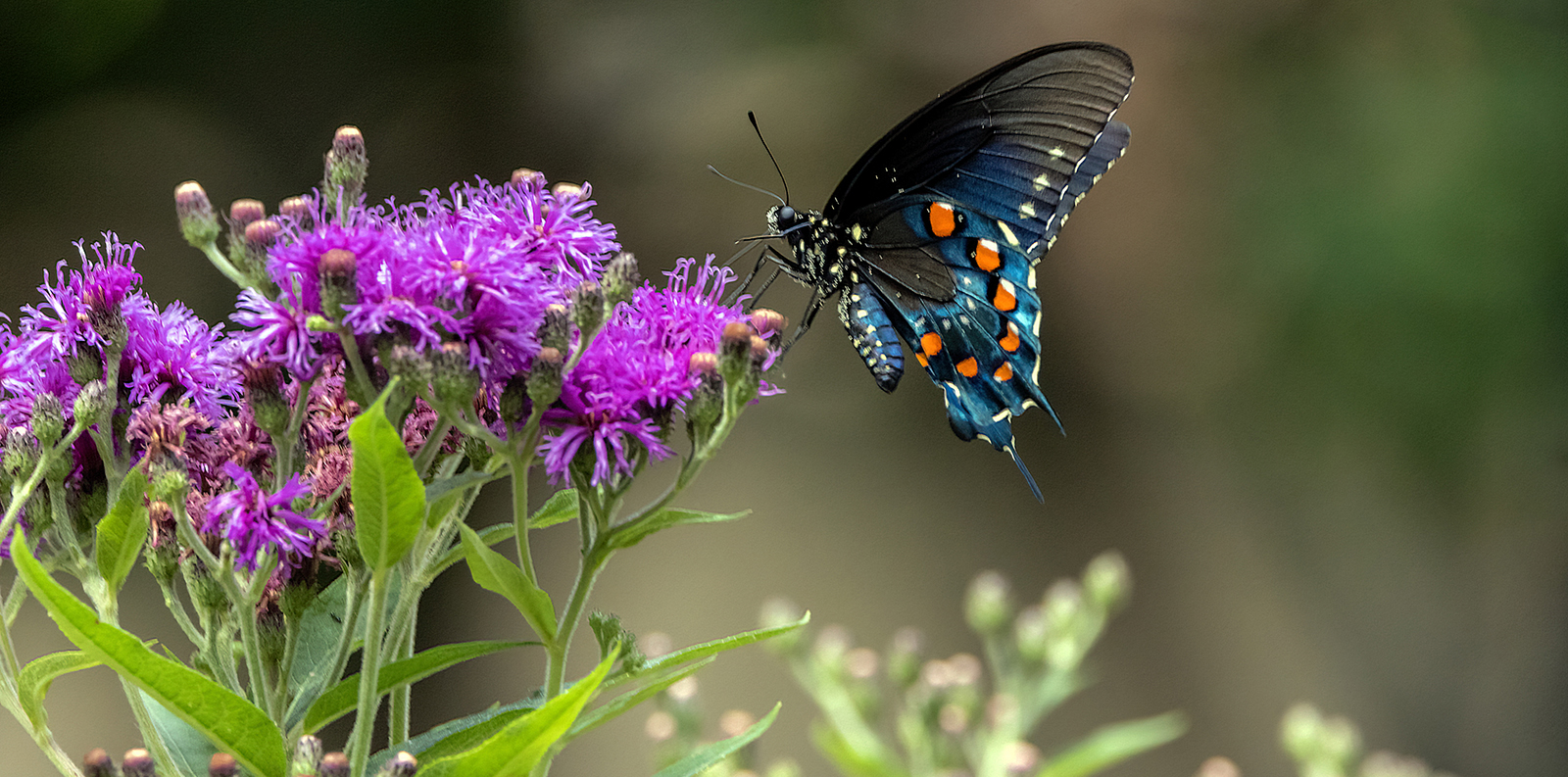

We Need to Bee Careful With Pollinators
Bees play a vital role in maintaining ecosystem function through their unique relationships with native flowering plants.
Read Story

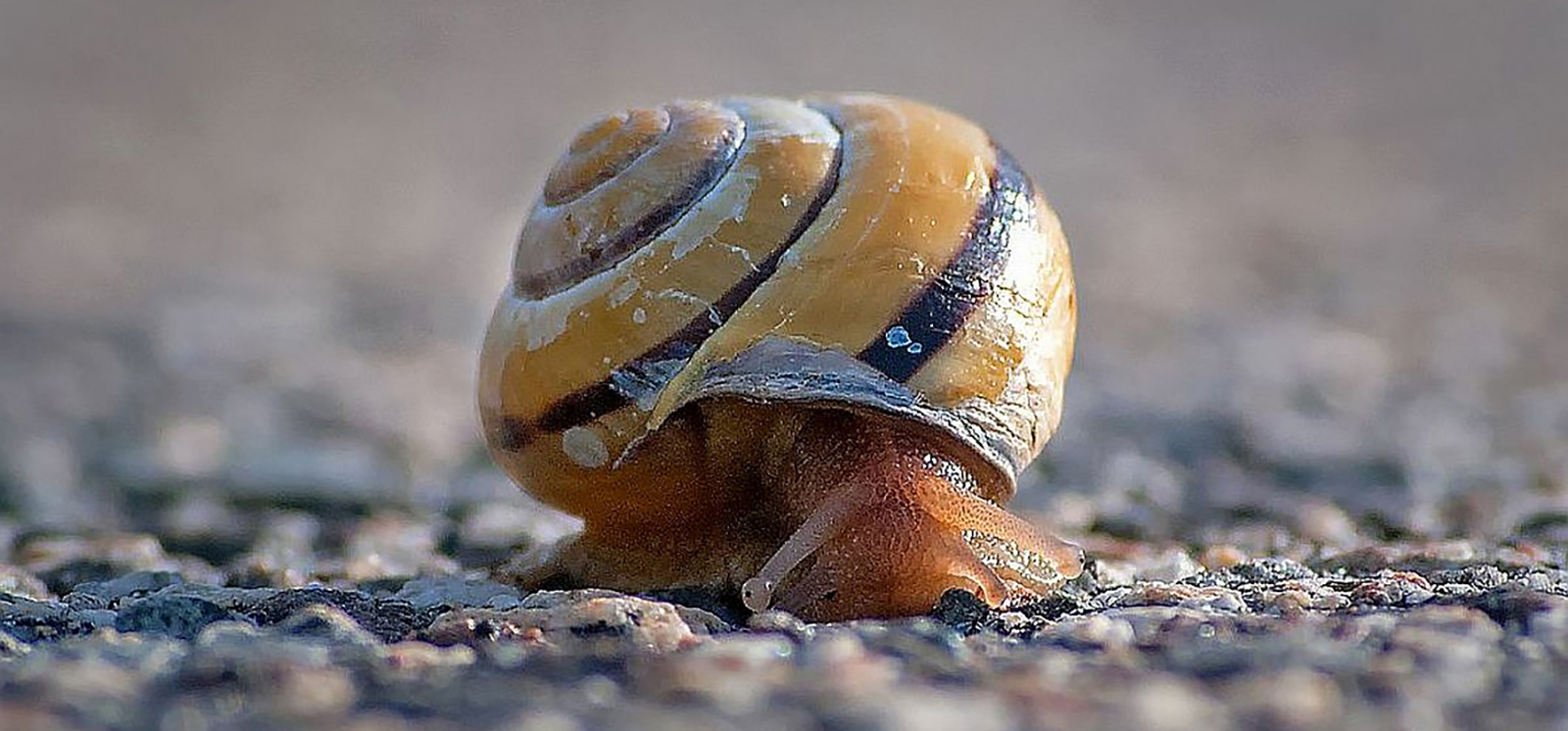

Plenty of Space to Flex on Mussel Beach
The presence of freshwater mussels is indicative of high water quality and a healthy ecosystem. Their absence tells a different story.
Read Story


