Native Plants, Key Indicator of Ecosystem Health, Support Pollinators, Local Wildlife
August 4, 2025
Share


Series note: The region’s collection of native species is under threat on several fronts, most notably from humanity’s shortsightedness. Humans aren’t giving the natural world the space it needs and deserves. We’re crowding out nonhuman life, which, in turn, makes nature less productive and us less healthy. Wild New England examines the animals, insects, and plants most at risk.
Native plants and native wildlife adapted over the millennia to live and work in harmony. For example, the movements of pollinators allow plants to become fertilized and to produce fruits, seeds, and young plants. In turn, plants feed the pollinators.
Native plants and animals are generally understood as those whose ancestors had roots in this region before the arrival of Europeans. They have lived and worked together to build a healthy ecosystem of interdependence.
The National Wildlife Federation defines a plant as native if it has “occurred naturally for thousands of years in a region, ecosystem, or habitat without human introduction.” The organization has noted these “plants have formed symbiotic relationships with native wildlife over thousands of years, meaning that many native animals are dependent on these particular species to survive.”
This native web of bacteria, fungi, bees, butterflies, birds, bats, bobcats, weasels, and worms rely on native vegetation for food and shelter. Theirs is an evolutionary relationship, and it wasn’t forged overnight. For instance, some native insects need certain native plants to survive.
Unfortunately, the health of native plants, shrubs, and trees is in decline, which means so is human well-being. Nonnative invasive species, both plant and animal, development, human-made poisons, and the climate crisis are conspiring to shred the native web of life and reduce biodiversity.
The National Audubon Society says restoring native plant habitat is vital to preserving biodiversity. It notes that during the past century, development has taken intact, ecologically productive land and fragmented and transformed it with lawns and exotic ornamentals — nonnative species from Europe and Asia.
The United States has lost, according to the organization, a “staggering” 150 million acres of habitat and farmland to sprawl, and the nation’s “modern obsession with highly manicured ‘perfect’ lawns alone has created a green, monoculture carpet across the country that covers over 40 million acres.”
Keystone plants are native plants species that have the maximum amount of habitat benefit to wildlife. Without them, native wildlife wouldn’t have the habitats they need to survive.
“Keystone plant genera are unique to local food webs within ecoregions. Remove keystone plants and the diversity and abundance of many essential insect species, which 96% of terrestrial birds rely on for food sources, will be diminished. The ecosystem collapses in a similar way that the removal of the ‘key’ stone in ancient Roman arch will trigger its demise,” according to author and professor Doug Tallamy.
Among the keystone plant species in southern New England include oak trees, milkweed, asters, goldenrod, and willows.
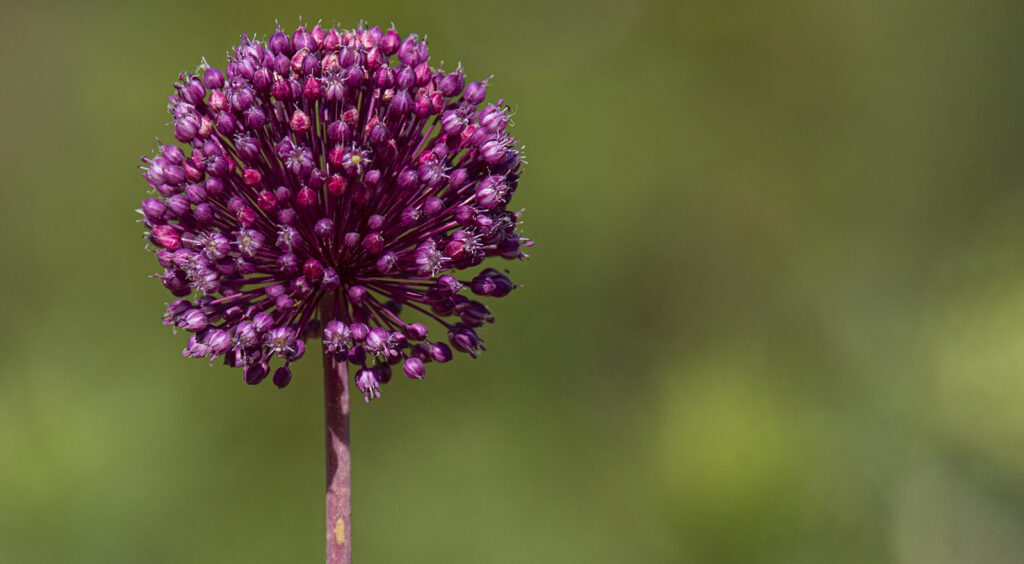
The following is a look at the plants in southern New England listed as a species of concern, threatened, endangered, or historical (essentially extirpated):
RHODE ISLAND
The list of plants, as of 2016, includes 414 species that are state listed. Among the plants listed are trumpet honeysuckle (concern), a species common in the horticultural trade but which has declined in the wild; Canada dwarf dogwood (concern), also called bunch berry, which has struggled due to warming temperatures; and yellow blue-bead lily (concern), a northern species found more commonly on the mountain slopes of Vermont and New Hampshire.
Orchids are in especially dire straits. Of the 36 species of orchids native to Rhode Island, 33, including yellow ladies’ tresses (concern), large whorled pogonia (concern), and north wind bog orchid (concern), are state listed and 10 are considered historical. The only orchids native to Rhode Island that are not on the list are the pink lady slipper and two kinds of rattlesnake plantain.
Orchids, often eaten by deer, are always rare on the landscape, according to Hope Leeson, a botanist with three decades of field experience in southern New England. She noted they have very specific pollinator relationships and habitat specificity that make them at risk.
Other state listed species include: foxtail bog-clubmoss (endangered); northern blazing star (endangered); quill-leaved arrowhead (endangered); purple milkweed (endangered); purple-stemmed angelica (endangered); American larch (threatened); green-headed coneflower (threatened); zig-zag goldenrod (threatened); Atlantic mock bishop’s-weed (concern); clasping milkweed (concern); fiddlehead fern (concern); large-leaved wood aster (concern); smooth American aster (concern); awl-leaved arrowhead (historical); red elderberry (historical); yellow pimpernel (historical); and eastern silver American aster (historical).
MASSACHUSETTS
In the Bay State, 273 species of plants are protected under the Massachusetts Endangered Species Act. Another 45 species, including the hairy angelica (perennial herb), the scarlet painted cup (biennial flowering plant), and the lizard’s tail (hairy perennial), are listed as state historical.
Other species state listed include: purple giant hyssop (endangered); annual peanutgrass (endangered); putty-root (endangered); swamp birch (endangered); cornel-leaved aster (endangered); green dragon (threatened); whorled milkweed (threatened); fen cuckoo-flower (threatened); Hitchcock’s sedge (concern); purple clematis (concern); large-leaved goldenrod (concern); and Frank’s lovegrass (concern).
CONNECTICUT
As of 2015, about 300 plants species are state listed. Among those listed include: prairie goldenrod (endangered); yellow giant hyssop (endangered); dwarf mistletoe (endangered); arrowfeather (endangered); green milkweed (endangered); rough aster (endangered); showy aster (threatened); short-awned meadow foxtail (threatened); bog rosemary (threatened); yellow corydalis (threatened); dragon’s mouth (concern); white milkweed (concern); salt marsh bulrush (concern); purple cress (concern); Appalachian white aster (concern).