
Black Gold Rush: The Race to Reduce Food Waste and Save Soil
This series is sponsored by 11th Hour Racing
Every day, 2,200 tons of trash is delivered to Rhode Island's Central Landfill, 16% of which is food waste, which could instead be composted. It's estimated that 40% of food is discarded nationwide (a whopping 20 pounds plus per person each month), 97% of which ends up in landfills. Viewing food waste as a renewable resource instead of as garbage makes sense, because nutrient-rich compost has many environmental benefits and can restore and enrich depleted soils. This series examines how the Ocean State disposes of its waste and efforts around the state to increase composting.
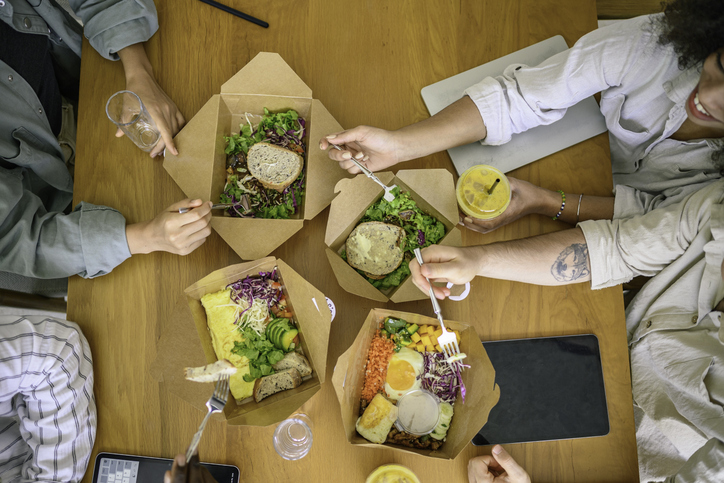
A Complete and Utter Breakdown: That’s the Hope When It Comes to Compostable Packaging
The increasing public alarm over the scourge of single-use plastics, combined with the desire to appeal to an environmentally conscious clientele along with the increasing number of composting facilities, has likely contributed to the proliferation of compostable foodware.
Read Story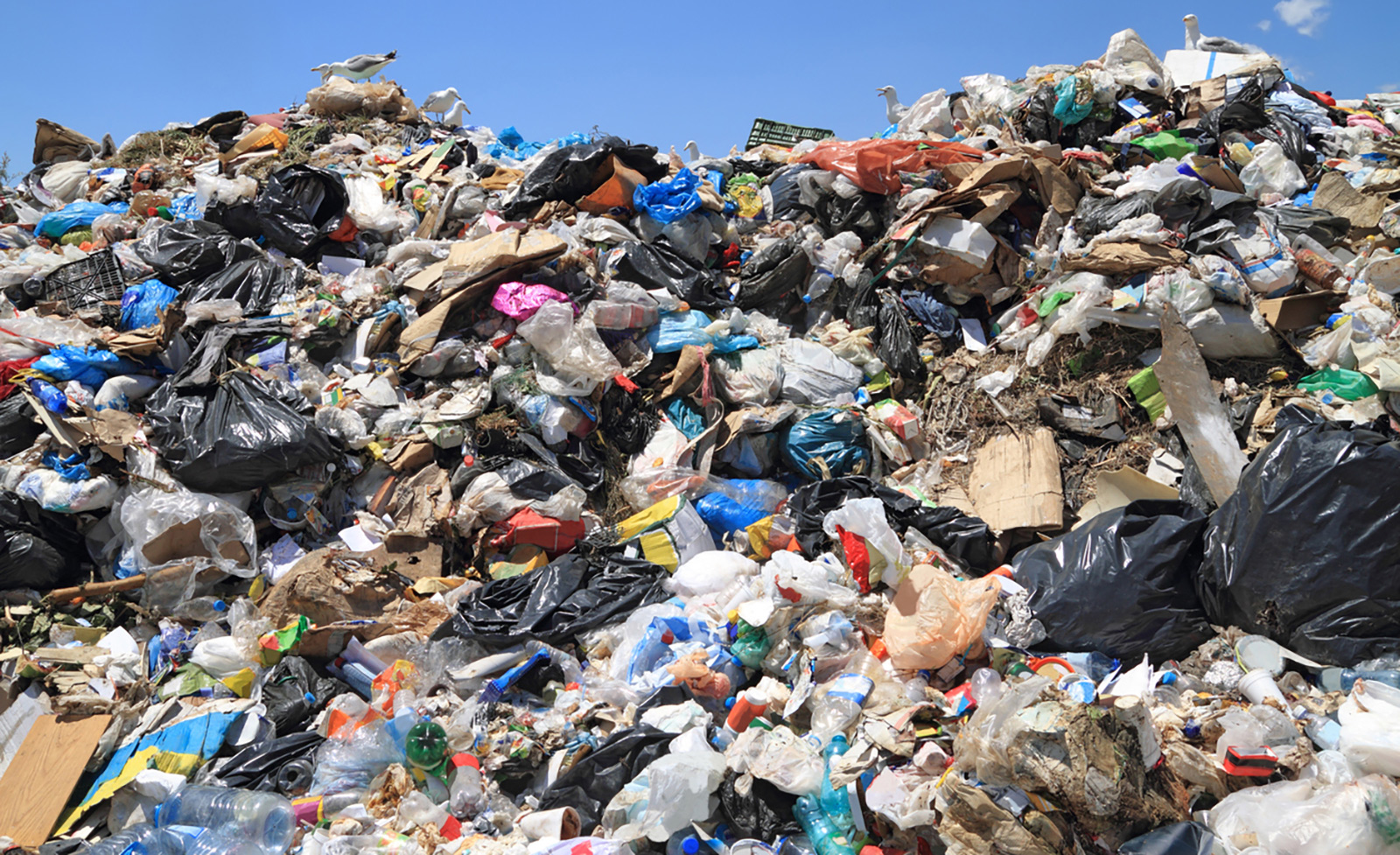
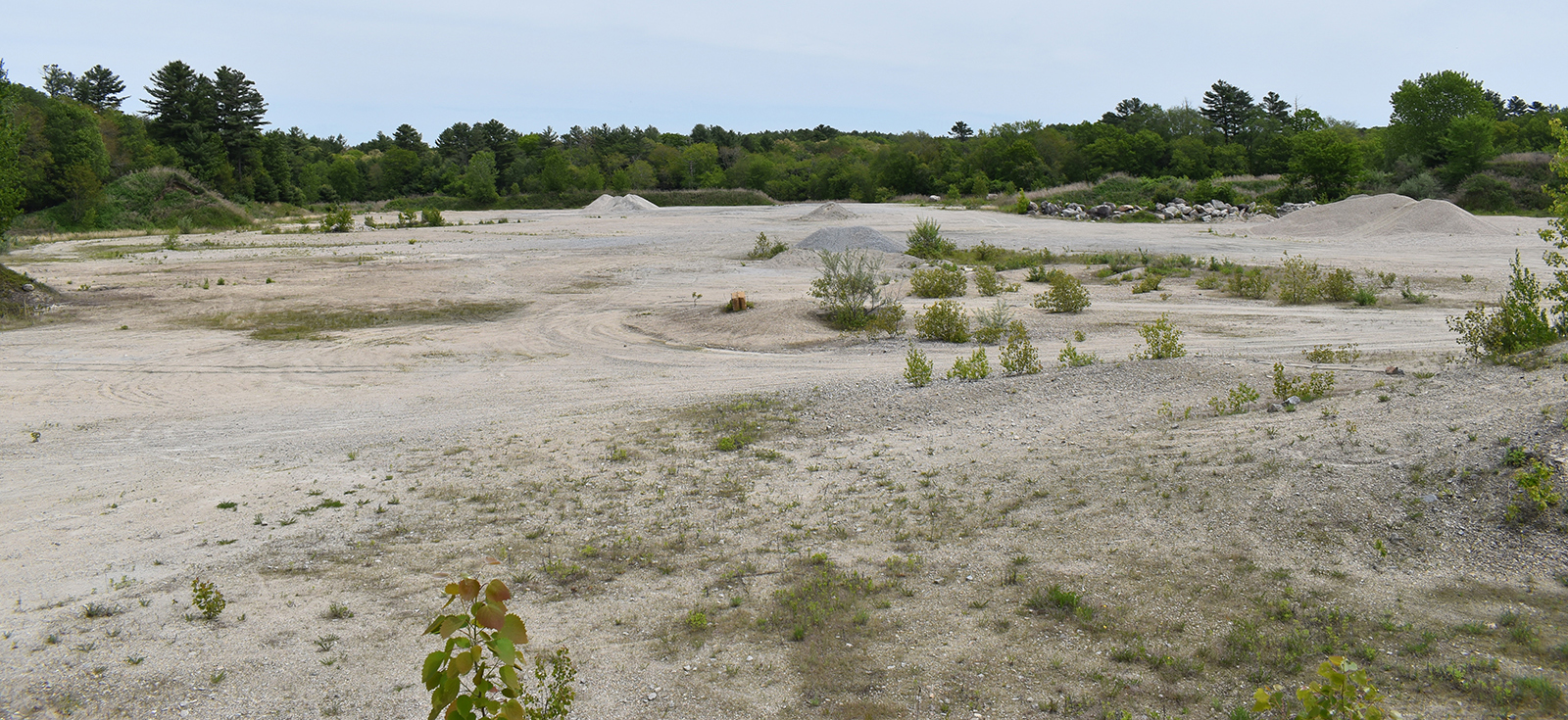
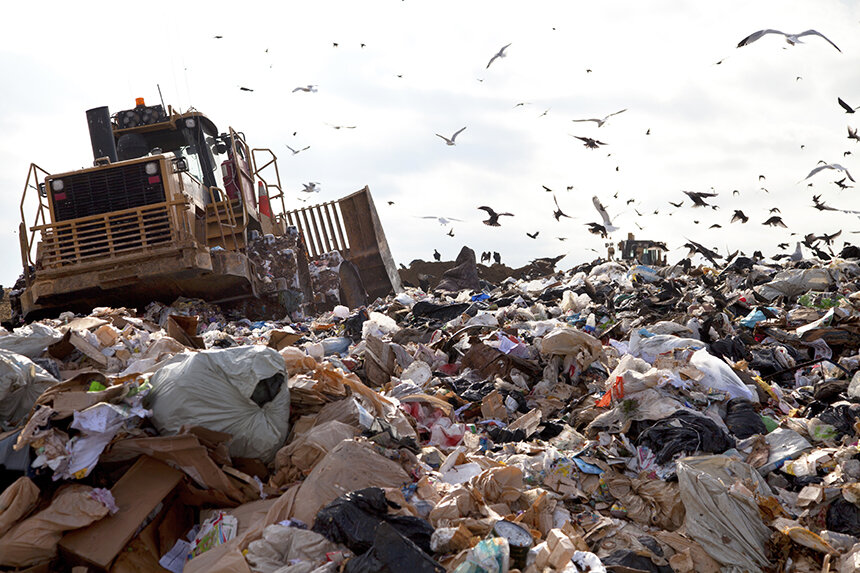
Rhode Island’s Last Landfill Is Running Out of Room
The Central Landfill serves the waste needs of about 97% of Rhode Island.
Read Story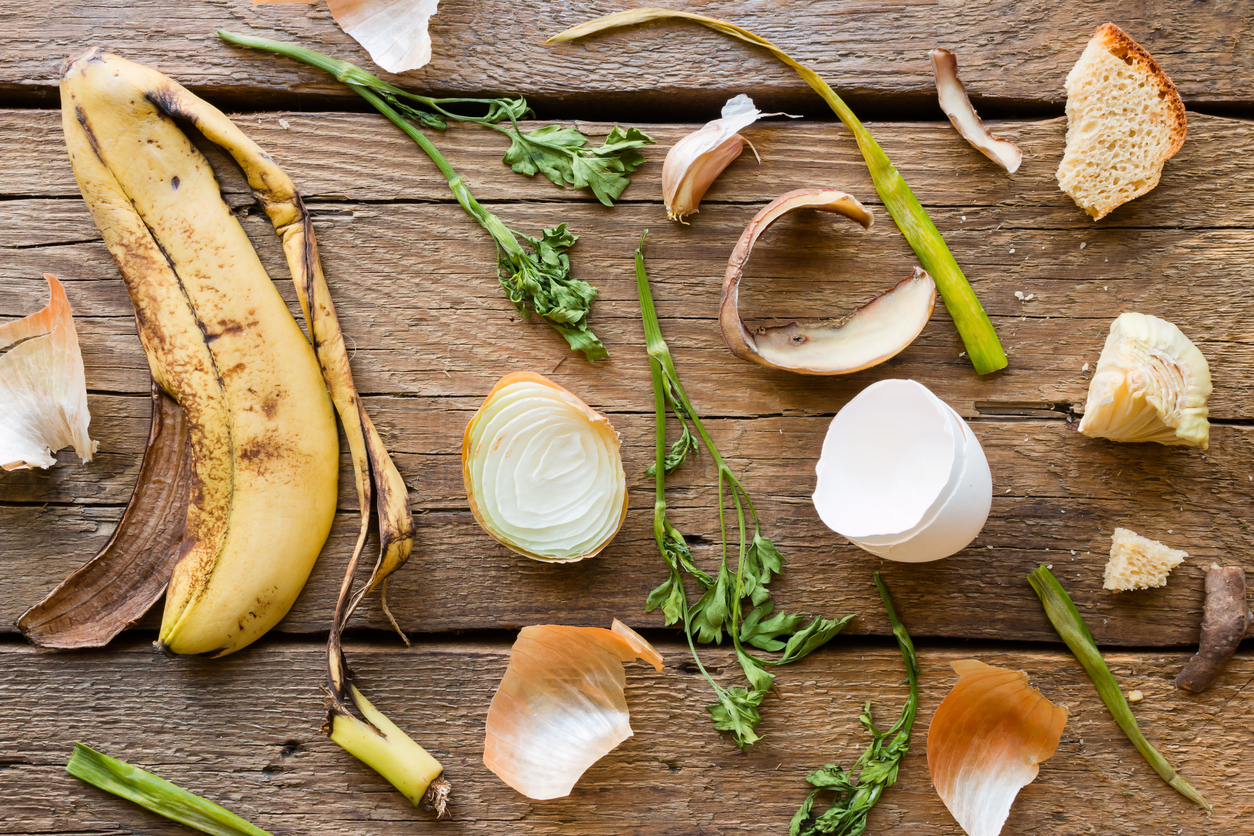


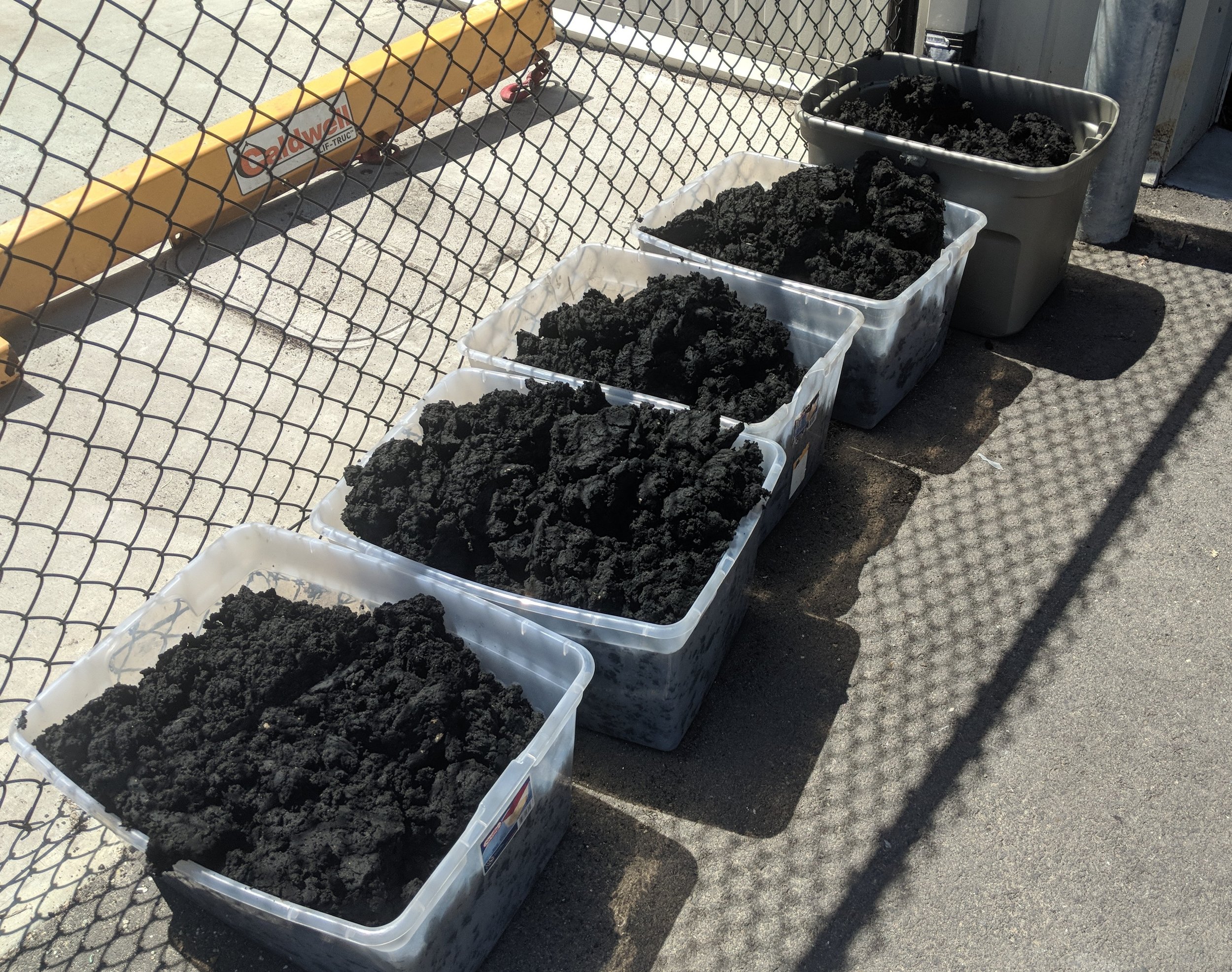
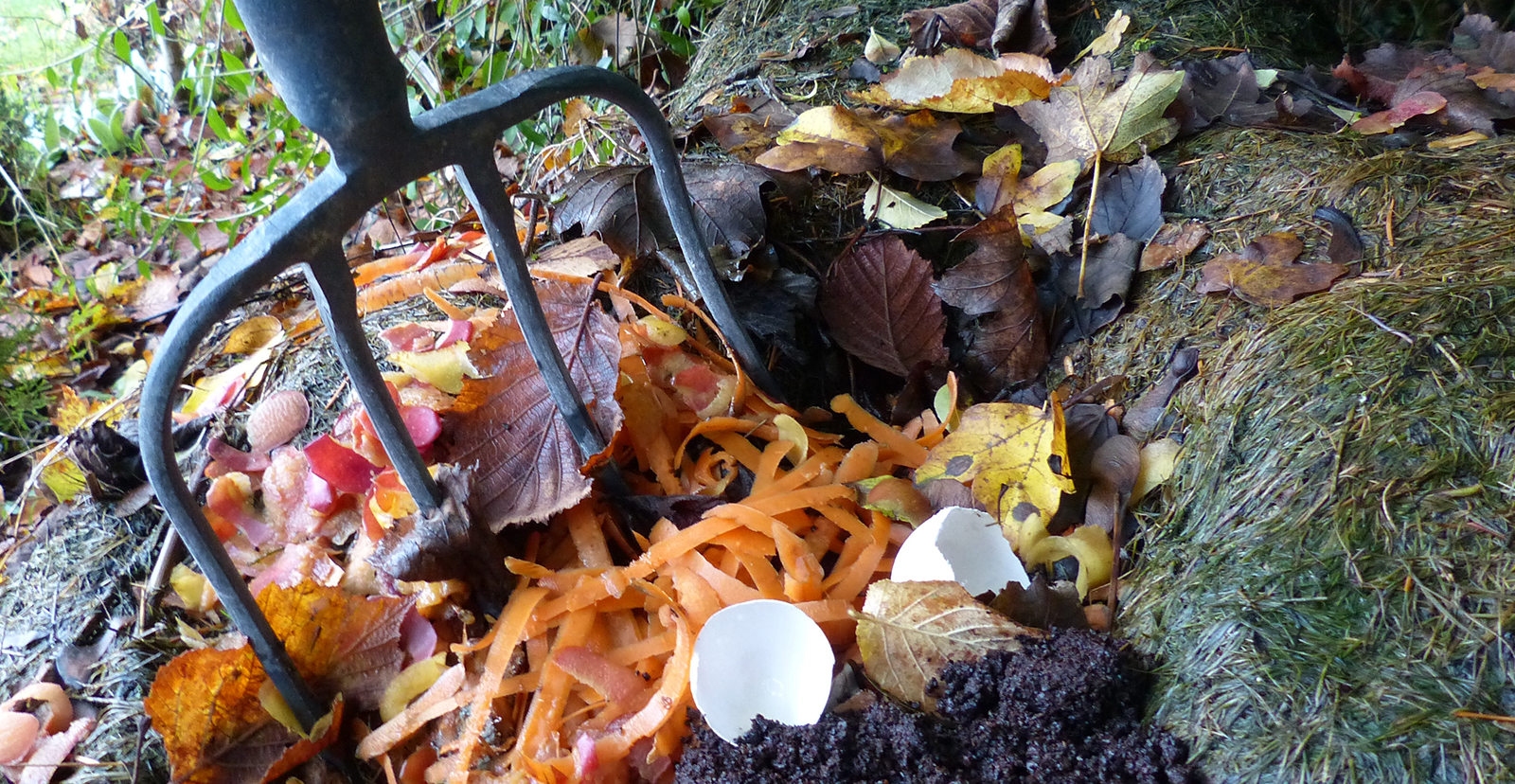
Rhode Island Could Follow Austria’s Lead When It Comes to Composting
There are a number of obstacles that prevent municipalities from implementing composting programs.
Read Story


