Working Group’s Solid Waste Management Plan Will Lay Out Future of Trash Disposal in Rhode Island
April 7, 2025
Share



CRANSTON, R.I. — For most Rhode Islanders, trash and recycling is something that epitomizes the idiom “out of sight, out of mind.” Many residents just don’t think about what happens to their waste once it’s put out for curbside pickup or taken to the local transfer station.
But those days of blissful ignorance could be coming to a close in 20 years. The Central Landfill in Johnston, the lodestar of Rhode Island’s waste disposal system, is expected to reach maximum capacity in 2046, should no other actions be taken.
What happens next isn’t clear, but a cadre of state planning, environmental, and waste disposal officials has been getting the ball rolling on figuring it out.
“You’re asking for the location of the pot of gold at the end of the rainbow,” said David McLaughlin, programming services officer for environmental sustainability policy at the state Department of Environmental Management, in a recent interview with ecoRI News. “I don’t know where it exists, but I can tell you that the landfill in Rhode Island is a resource we have that we want to make sure we are using in the most responsible way possible.”
McLaughlin is part of the state’s technical working group that is considering the next iteration of Rhode Island’s Solid Waste Management Plan. The group includes representatives from DEM, the Statewide Division of Planning, and the Rhode Island Resource Recovery Corporation, the quasi-public agency in charge of the landfill. It’s work on the plan is funded via an Environmental Protection Agency Solid Waste Infrastructure for Recycling program grant.
Their job, over the next 14 months or so, is to find out what residents think works about trash and recycling in Rhode Island, what doesn’t work, and what options exist for a waste disposal system without the Central Landfill. It’s the first update to the Solid Waste Management Plan in a decade.
Writing a new plan and finding alternatives to the Central Landfill is a tall order. Every day around 2,200 tons of trash is delivered to the Johnston facility to be buried, and the recycling rates in Rhode Island’s 39 municipalities remain low.
“We’re trying to take a more holistic and comprehensive view of all the materials we’re transacting with, and how to calculate waste reduction,” McLaughlin said.
Over the past few weeks, the working group conducted its first pair of public outreach sessions. In late March, it held a workshop at William Hall Library in Cranston, where around 25 residents attended, and in the first week of April they hosted a public listening session over Zoom, collecting feedback from 37 residents on different components of the state’s waste management system, and what they believe should be done differently.
Participants praised the state’s extended producer responsibility programs for the disposal of paint, mattresses, mercury, and certain electronics, and Resource Recovery’s Eco Depot and education programs.
Also a positive for some participants was the handful of municipalities that have already implemented pay-as-you-throw programs. Towns such as North Kingstown and Portsmouth eschew curbside pickup, instead requiring residents to buy town-designated trash bags to be brought by residents to the municipal transfer station.
Unlike other towns, which fund curbside collection via local property taxes, transfer stations in pay-as-you-throw programs are funded by fees associated with the purchase of town-designated bags and transfer station stickers. While the trash disposal process is more onerous for residents, Portsmouth reports the program has helped the town increase its recycling rate.
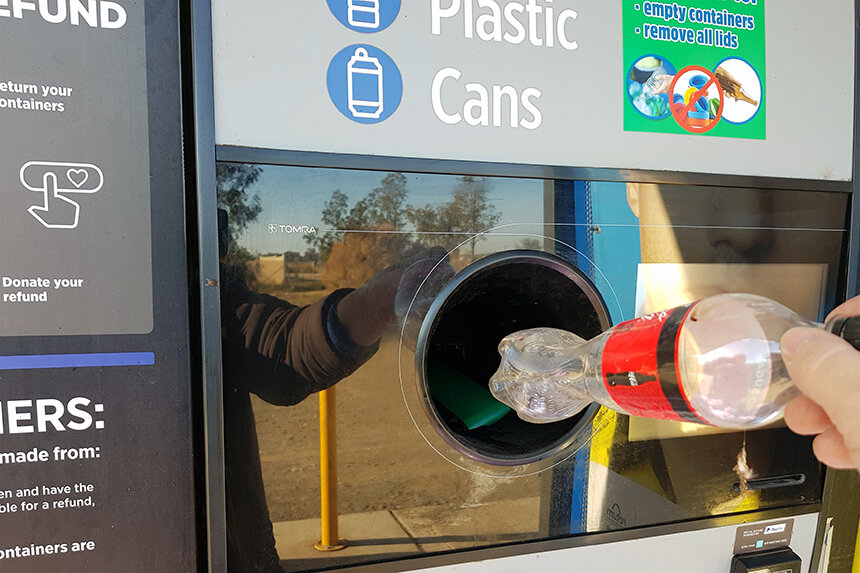
On the negative side, workshop participants reported too much contamination in the recycling stream, lack of enforcement of commercial recycling and the Styrofoam takeout container ban, and the lack of composting infrastructure to promote food waste diversion.
Food waste diversion and composting were the stars of the show at the April 3 virtual listening session. Participants said they would like to see more food waste go to composting sites and have businesses that donate surplus food receive a tax credit — one of the chief policy proposals in the General Assembly this year backed by the Rhode Island Food Policy Council.
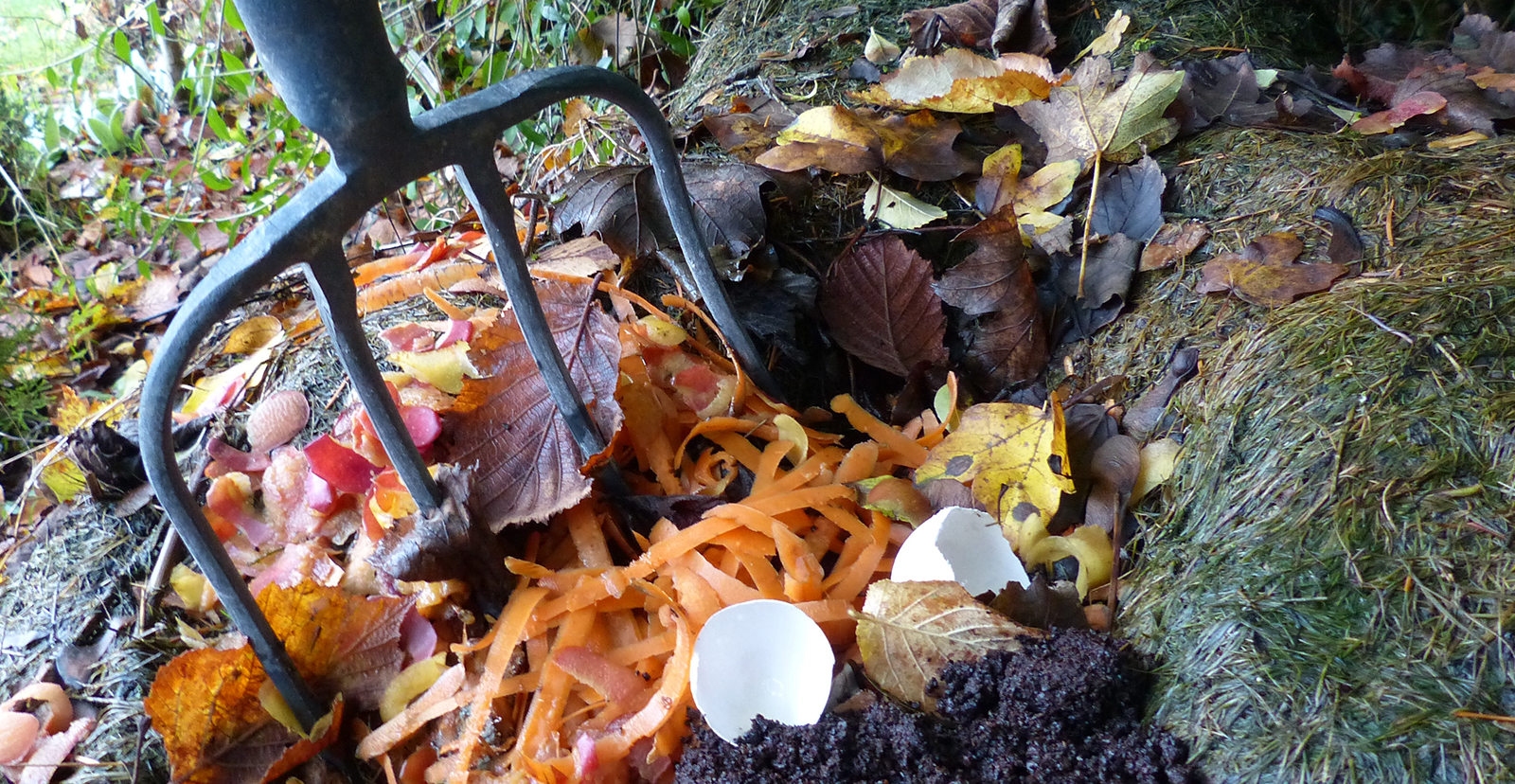
Food waste organics represent a big chunk of what goes to the landfill every year. About one-third of what is buried in the Central Landfill is food waste, almost all of which could either be composted by homeowners or sent to composting sites, or in the cases in which the food has been otherwise untouched, go to food pantries to feed hungry Rhode Islanders.
Despite immense progress over the past 15 years and a number of composting hauling companies springing up in and around Rhode Island, it’s still a practice largely ignored by residents, as shown by the amount of food waste that heads to the Central Landfill.
Feedback from the listening sessions is expected to inform the final Solid Waste Management Plan, although, notably, it’s just a plan. It’s expected to lay out the options Rhode Island will have for waste disposal methods, but ultimately it will be up to lawmakers to choose one of the options for the plan and turn it into policy instead of just shelving it.
After two more paired listening sessions — one in person, one virtual — a draft version of the plan is expected to be written and issued sometime in the fall, after which it will need to be adopted by the State Planning Council.
The next pair of listening sessions is not yet scheduled, but information can be found here.
This story is part of a series “Black Gold Rush: The Race to Reduce Food Waste and Save Soil.” The series is sponsored by 11th Hour Racing.