
Environment Council Takes Aim at Cuts to Renewable Energy Programs for 2026 Legislative Session
February 2, 2026
Share


PROVIDENCE — What legislation would Rhode Island’s environmental groups like to see passed this legislative session?
It depends on whom you ask, but the answers to the question usually start forming at the annual coffee hour hosted by the Environment Council of Rhode Island (ECRI). The event, which has been especially well attended in recent years, usually features House Speaker Joe Shekarchi, D-Warwick, as a keynote speaker, takes place in the Statehouse library, and lets advocates nibble on pastries and sip coffee while hobnobbing with elected officials.
Last year the tone was defensive: the second Trump administration was newly inaugurated and had withdrawn hundreds of millions of dollars of federal grants for environmental projects across the country, Rhode Island included.
This year environmental groups are on the defensive again, but this time their efforts are focused on state government, as they rally to defend existing renewable energy programs and the Act on Climate from an executioner called “affordability.”
Gov. Dan McKee’s budget, released two weeks before the coffee hour, proposed slashing or capping many of the energy programs funded via charges on utility bills. For the governor, it’s the only control the state has over reducing or capping the charges to make energy costs in Rhode Island more affordable in the short term.
But for advocates, the renewable energy programs are a big part of the way Rhode Island is fueling its transition to renewables and net-zero emissions by 2050, as outlined in the Act on Climate law. And for now, they have a powerful ally on their side.
“We have to remember the progress we’ve made,” Shekarchi told the assembled crowd on Thursday. “You need to be active, you need to be involved, and you need to push back on this narrative that these programs are the reason we have an affordability crisis, because that is not true.”
Shekarchi said his office had been inundated with emails complaining about the high cost of electricity, and asking lawmakers to axe many of the state charges that appear on utility bills every month. A former law client of his, Shekarchi said, had even called him up, asking about the governor’s budget putting solar companies out of business.
“What does that say to any business that wants to come to Rhode Island? Buy land, invest, put up these solar panels or [start] any other business and, by the way, after a few years we’re going to change the laws and put you out of business,” Shekarchi said. “What a bad economic development message that sends.”
It’ll be up to Shekarchi and the rest of the Legislature’s leadership to decide what stays in and what gets cut out of the final state budget for fiscal 2027.
ECRI’s member groups are intent on organizing against any future cuts to climate programs. Many of the focus areas aren’t new to climate advocates, with many of them appearing in previous years’ priorities.
The first priority is to ensure the state remains on track to meet the Act on Climate mandates. That includes making sure the Renewable Energy Standard reaches 100% by 2033, and passing legislation that will tackle emissions from the state’s building and heating sectors.
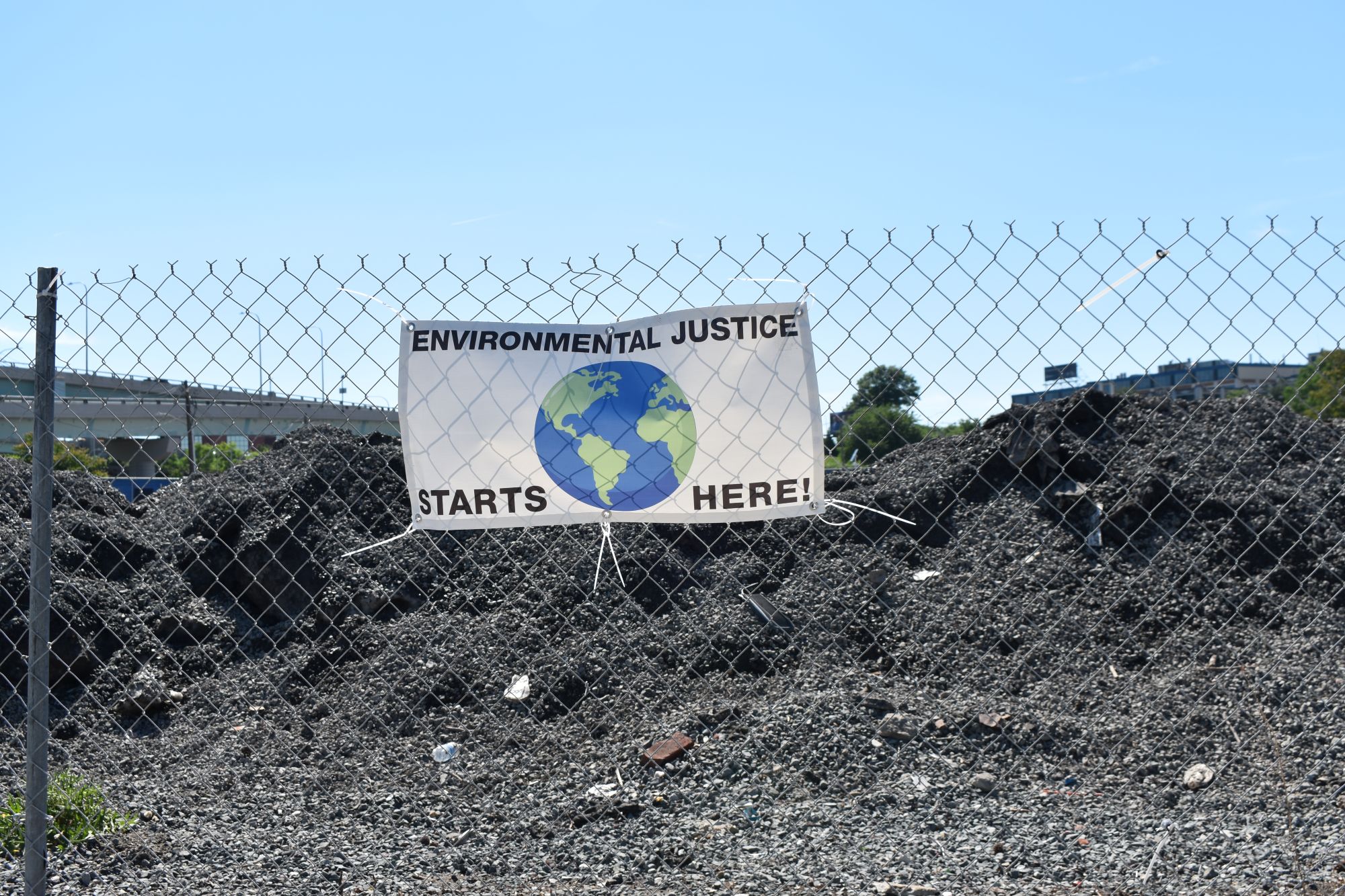
The second priority area for the 2026 General Assembly session will be centered on environmental justice legislation, to boost housing, food systems, and public health. The main example? Passing the Save RIPTA legislative package, to fully and sustainably fund the state’s only public transit agency in the long term.
“All people should be able to access the places they need to go, be it their home, their school, or their places of work,” said Tina Munter, ECRI’s vice president of policy, and Rhode Island advocate at the Green Energy Consumers Alliance.
ECRI’s final focus is improving conservation, including adding more dollars to this year’s Green Bond proposal for open space and land conservation. Another portion of McKee’s budget that left environmentalists out in the cold was the complete lack of funding for open space and farmland conservation, programs that are traditionally included in bond funding.
Munter said legislation to make sure polluters pay, known as the Climate Superfund Act, and reducing plastic pollution would be a vital part of the focus area.
Final decisions on which specific bills will be endorsed by ECRI will be announced April 14, during the organization’s annual Earth Day lobbying event at the Statehouse.
Categories
Join the Discussion
View CommentsRecent Comments
Leave a Reply
Related Stories


Your support keeps our reporters on the environmental beat.
Reader support is at the core of our nonprofit news model. Together, we can keep the environment in the headlines.
I am writing a book on cliamte and the economy whoch will be out in early spring. The data is overwhelming. If we do not keep investing in stopping the climate disaster, we shall have an economic disaster, with one recent study noting that the US economy is alreeady 12% smaller than it it would have been if we did not face cliamte disruptions in agriculture, roofing, and other outdoor activities as well as all of the weather disasters like stroger hiurricanes, bigger floods, droughts, and fires. We cannot afford to go backwards
We need to find a different funding source for these environment initiatives. Let’s make if fair. Currently if you have installed a renewable energy devise that covers your usage you do not financially support these programs. The burden get shifted to lower income households and those others unable or unwilling to install renewable energy devices. Everyone who utilizes the grid should support these programs either through state funding or a usage fee charged to all utility customers.
Last year, as people were struggling with high energy prices, legislators put together panels where they forced Rhode Island energy officials to talk to the public. I was there, and asked one specific question: are we on track with the climate goals We’ve set already, have they been on track for the past two years, and are we on track for 2033? The answer was no. We aren’t even getting close to the goals set forth by act on climate. I think Governor McKee is simply putting forth the obvious. It’s not happening, no matter what the politicians tell you. Not now, and not for a long time. It remains a worthy goal, but will take time and be gradual.