
Mayor Smiley Addresses South Providence Residents’ Concerns about Snow Removal, Waterfront Scrapyard
March 29, 2026
Share


SOUTH PROVIDENCE — The Jacqueline Clements Park Collective, a volunteer-led neighborhood group, held a community conversation with Mayor Brett Smiley on March 24 to answer residents’ questions about issues affecting their quality of life.
Yaimani Rivera, a member of the collective, and her sister Yadira facilitated the discussion with a variety of questions regarding housing, public safety, small businesses, neighborhood development, the Urban League of Rhode Island, Rhode Island Hospital, and the Port of Providence.
Here are a few questions and concerns residents addressed to Smiley about issues in South Providence that stood out. The concerns, responses, and questions have been edited for clarity and brevity.
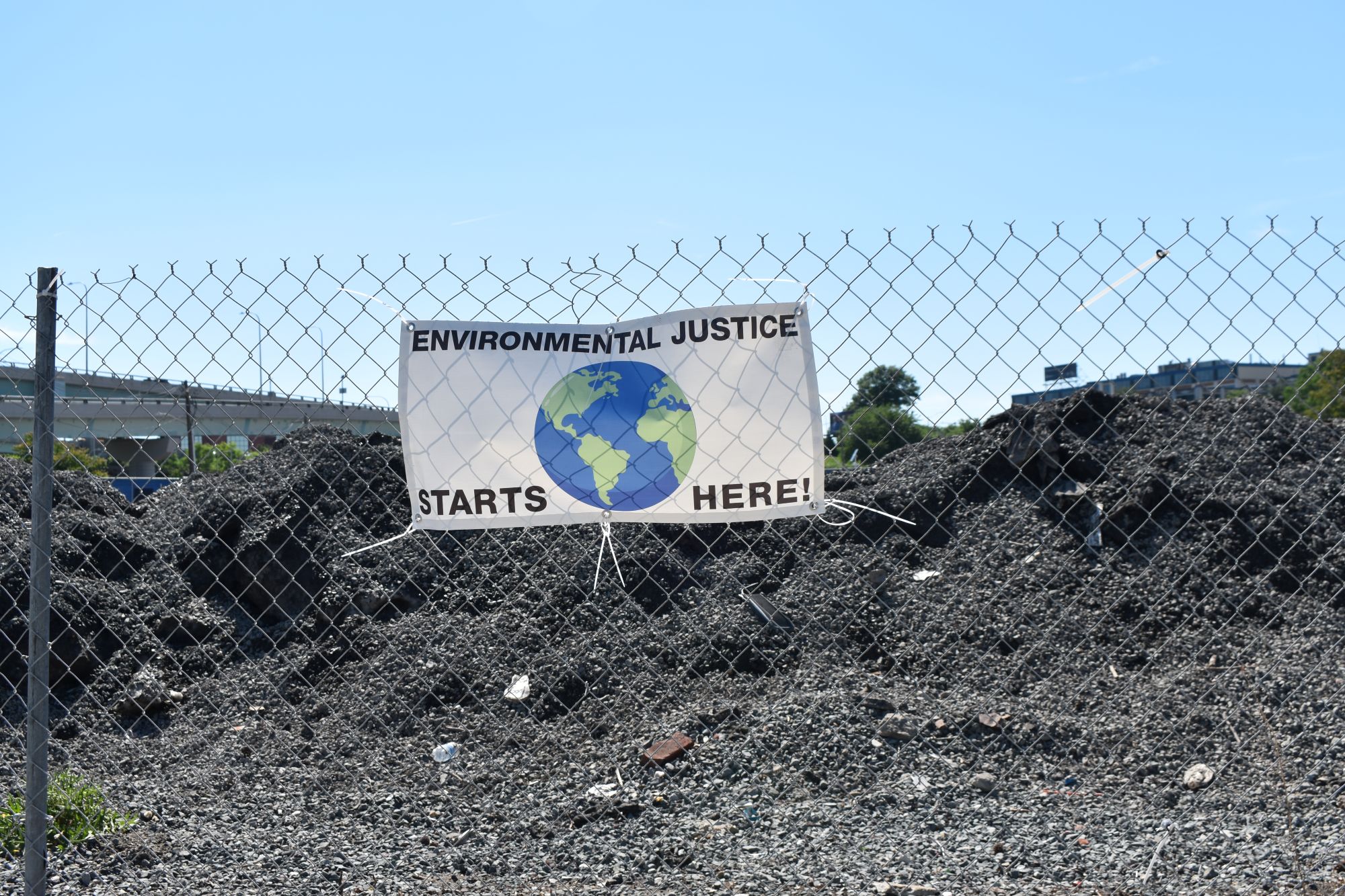
Concern: The city’s decision to dump snow on the Prairie Avenue site raises residents’ concerns about what will happen to all the debris left behind once the snow melts.
Smiley: “This was the first time in at least 10 years that the city actually had to truck snow away, and we had to put it somewhere. It is not true that all the snow went to South Providence. Some people are under that impression. It’s just not true. The Prairie Avenue site was one of the sites, for sure.”
The other sites included:
- Brown Football Stadium on Elmgrove Avenue on the East Side
- Victory Plating on Eddy Street at the edge of the Jewelry District
- old flea market across from Neutaconkanut and Igliozzie on Plainfield Street
- parking lot at Marino Park
“Those five locations all received snow as a result of our snow removal efforts. Nobody wants snow in their backyard, but it is also true that nobody got all of the snow. They went to those five sites, and the decision on which site to choose was based on what was closest to where it was coming from. One reason the Prairie Avenue site was used is its porosity. Neighbors were concerned that when the snow melts, it will flood basements or contaminate the river when it hits the storm drains. The porous sites were better because whatever is in the snow will filter through the groundwater and not end up in somebody’s basement or the bay.
“Folks might have heard during the February blizzard that every community in the state got permission from the DEM to dump snow in the river. We did not do that. That was one of those things where just because you can doesn’t mean you should. We didn’t think it was right to dump contaminated snow into the river. So we put it in those five locations.
“The final piece on the Prairie Avenue site is that we’re getting ready to release the RFP after a fair amount of community input. That site’s going to have to get remediated anyway, no matter what development ultimately goes there. We worked hard to honor the community’s aspirations and the site’s history, including a commitment to provide space for the Urban League in whatever gets built there so they can return when it’s complete. That’s a commitment we’ve made to the Urban League and the community.”
Question: How are you directing the planning department to help residents feel they will be front and center in shaping the outcomes of the Urban League and Port of Providence projects?
Smiley: “We can always do better, and we’ve had this conversation about more community engagement and better communication around prospective developments. But the planning department gets its direction from me. It’s a value of theirs to try to engage the community. The comprehensive planning process, which took a year and a half to complete before it received a vote, involved more than 75 community meetings. The Urban League process involved dozens of community meetings.
“The department does a lot of community outreach, and we try to take feedback. When we hear from neighbors who feel like they haven’t been heard or didn’t have a chance to participate, we take that as guidance for how to do better the next time. There’s a lot of pressure on growth in the city. There are a lot of prospective projects in the city. Generally speaking, I think that’s good. It shows we are a growing, vibrant city, but it needs to be done thoughtfully and in a way that respects the fabric of the neighborhoods. We’re always trying to do better. And every time we hear feedback that someone didn’t have a chance to chime in or didn’t feel heard, we take that as guidance on how to do better next time.”
Question: Do you know if the zoning went to Rhode Island Recycled Metals?
Smiley: “Rhode Island Recycled Metals on Allens Avenue is a bad-news, bad-actor scrapyard, just north of the Thurbers Avenue on-ramp. I have been working really hard to try to shut them down for a couple of years now. We’ve gone to court several times. We’ve worked with the attorney general and the state Department of Environmental Management to try to get them to stop their polluting and illegal actions. They do not have a scrapyard license. So it’s not zoning; it’s licensing. They do not have a scrapyard license. We had to go to court to get a judge to force them to even apply for the license. They were scheduled to come in for the license maybe two weeks ago. Their lawyer showed up and asked for a continuance. So they have not yet applied for their license.
“Just so you know sort of the path from here: if they do show up, the licensing board will determine whether they should get that license. The licensing board is appointed by the mayor and confirmed by the City Council, but it is an independent board. We do not exert pressure or tell the licensing board how to vote. They need to act independently. That has been a source of corruption in our city’s past. That’s not something that I do. But if they apply for a permit, I hope the licensing board takes a hard look at their past actions and does the right thing. If they don’t come back, which is also a possibility, then we will go back to court.
“We’ll get a judge to either force them to come back again or, even better, to say, ‘Enough is enough; shut these guys down.’ It’s like a cat-and-mouse game that we’ve been playing for years. The city continues to press its case in court. We continue to try to enforce DEM violations and other violations we think exist, not the least of which is operating without a permit. I’m not giving up on shutting these guys down, but that is the status as of today.”


The process lacks accountability. If I blow off any registration issues with my home or business, I am held accountable. The process seems to be the problem. Who/how can that be addressed?