
Marginalized Communities Bake in Plastic Toxicity
Low-wealth families face double whammy from relentless burning of fossil fuels and unabated use of petroleum byproducts to manufacture single-use waste
February 4, 2026
Share


It’s wicked easy to discern what Judith Enck considers the biggest problem when it comes to the amount of plastic that she says has cradled the planet in a synthetic embrace.
The former Environmental Protection Agency regional administrator founded Beyond Plastics in 2019 to address the inequality that surrounds the manufacturing, use, and disposal of petroleum byproducts.
On the Beyond Plastics website, under the banner “Commitment to Environmental Justice,” are these 54 words: “Plastic pollution is a growing global environmental crisis that disproportionately burdens people of color around the world in a variety of ways. We stand in solidarity with these communities around the world and seek to find respectful and productive ways to lend our assistance in the struggle to end plastic pollution and environmental racism.”
Her recently published book “The Problem With Plastic” begins with these two sentences: “By design, low-income people and communities of color bear the burden of plastics. The destructive web of plastics gathers in their neighborhoods, rivers, air, and bodies.”
She wrote the 2025 book with environmental journalist Adam Mahoney.
“Once considered an environmental issue, plastic pollution has rapidly evolved into a human health threat and planetary crisis,” according to Enck. “This book shuts down the rampant misinformation preventing progress while also providing real, actionable solutions for individuals searching for hope and ways to help.”
Enck and Mahoney cite the growing body of scientific evidence that microplastics are now ubiquitous in the human food supply. These bits leach into food and beverages from plastic water bottles and other kinds of plastic packaging.

Melissa Valliant, communications director for Beyond Plastics, has been with the Bennington College-based nonprofit for three years and has been working on plastic pollution campaigns for more than six. She managed the production of “The Problem With Plastic” from concept to publication.
“The vast majority of people don’t realize there are environmental justice concerns with the waste management and end of life part of plastics,” she said. “That’s one of the reasons that waste management is never going to completely fix this problem. Because even if you figure out what to do with all of that trash at the end, that’s not solving the problem of all of the pollution that low-income communities, especially in the Gulf South, are dealing with when it comes to the production of plastic and toxic air emissions.”
While plastic pollution disproportionately impacts marginalized communities, it receives little attention from the media or lawmakers.
“It is less reported on, and also, unfortunately, elected officials seem less concerned about it,” said Valliant, a Greater Baltimore resident. She has sat in on U.S. Senate hearings, where various people, including actor and environmentalist Ted Danson, and organizations, including t.e.j.a.s., which deals with environmental justice issues around the plastic problem in Texas, have testified. “It was amazing how every single person up there got questions, except for the one from t.e.j.a.s. Lawmakers did not seem interested in this problem.”
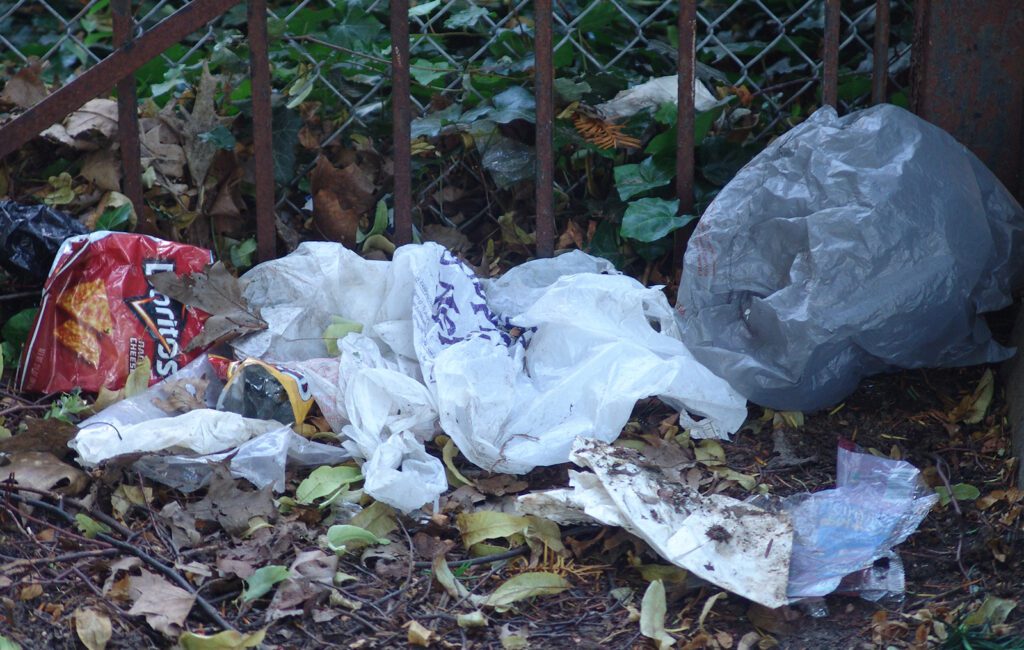
Worldwide plastic pollution is a growing environmental and public health crisis. At every juncture, plastics create pollution from: extraction of its petrochemical building blocks; climate emissions spewed during manufacturing; toxic exposure during use; a global waste trade that annually dumps millions of tons of single-use plastic in developing countries; omnipresent plastic litter on streets, beaches, and parks and snagged along fences; harm that ubiquitous microplastics cause to fisheries and marine life.
Every year some 27 million tons of plastic trash is buried in U.S. landfills and another 6 million tons is incinerated, according to the EPA. Burning plastic releases a mix of greenhouse gases that have an environmental impact equivalent to millions of tons of carbon dioxide, plus mercury, lead, and sulfur dioxide emissions.

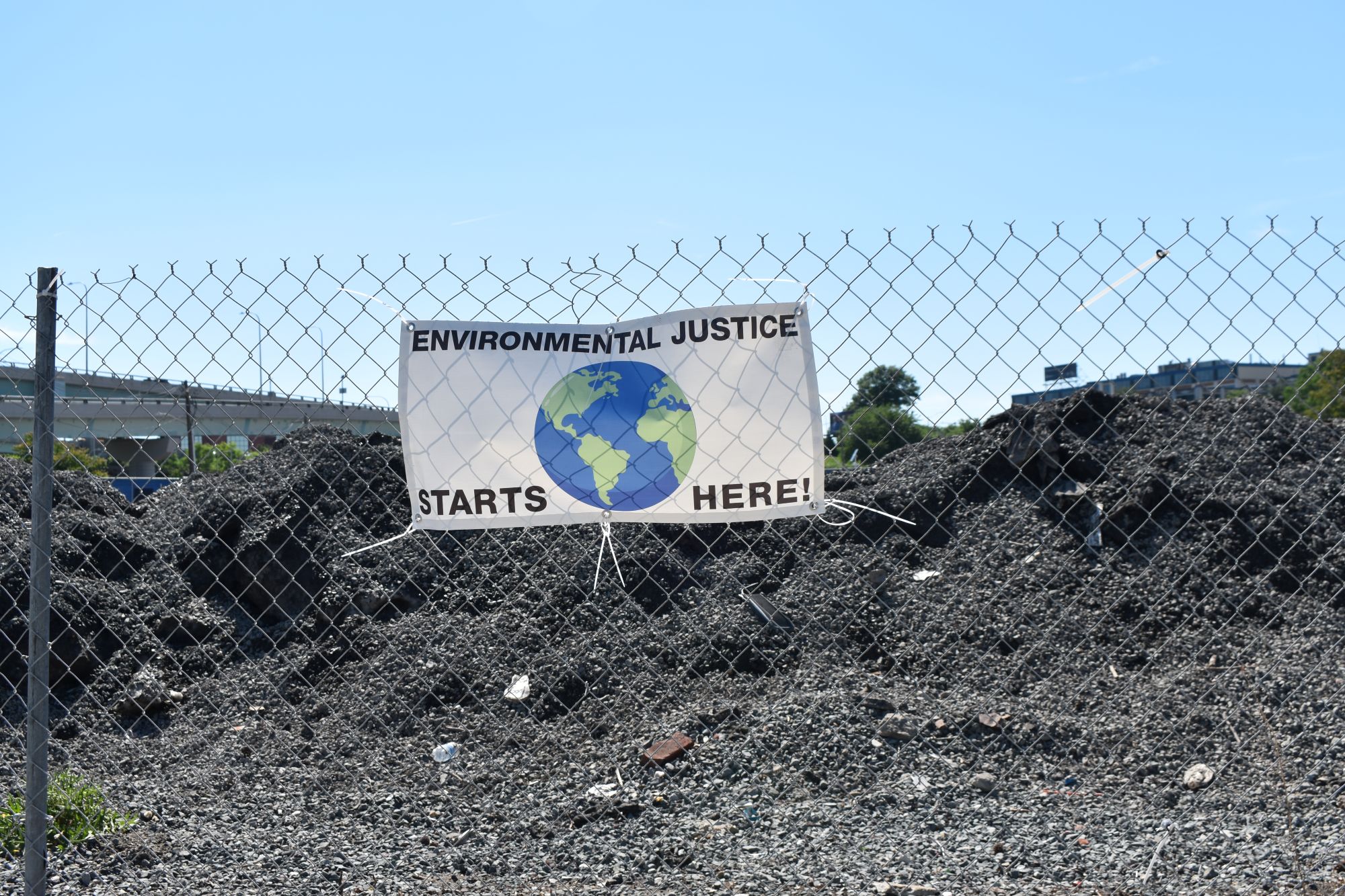
This pollution, as Beyond Plastics highlights, disproportionately burdens people of color worldwide. An inordinate number of petrochemical and waste disposal facilities are in low-wealth communities, such as the South Providence and Washington Park neighborhoods in Providence or “Cancer Alley” in Louisiana.
The compounding environmental and public health burdens borne by these communities make the people who live there more susceptible to asthma and cancer. In fact, the risk of getting cancer for those who live in Cancer Alley is some seven times higher than the national average.
“While plastic is affecting all of our health, it is disproportionately affecting low-income and Black communities who are situated around landfills, incinerators, and plastic production facilities,” Valliant said. “It starts at the very beginning of the plastics life cycle with fracking, and once plastic is disposed of, when it’s in the ocean and sunlight is hitting it, it’s releasing methane.”
The pervasive presence of plastics is now also associated with a rise in non-communicable illnesses, particularly those related to the endocrine system, reproductive cancers, and cardiovascular disease, according to “The Problem With Plastic.”
The authors cite research published in 2024 that estimated the disease burden from plastic pollution adds $250 billion annually to U.S. health care costs.

These marginalized communities are chosen by the petrochemical and waste management industries and the corrupt powers that be because they are unlikely to muster any meaningful resistance. Unsurprisingly, these communities are also the most vulnerable to the climate crisis, as Enck says the reliance on petrochemicals and fossil fuels “is deepening the twin crises of plastic pollution and climate change.”
Plastic production, for instance, generates four times as much greenhouse gas emissions as the aviation sector.
“Communities of color and indigenous communities have less access to resources and less power within our political systems,” according to Beyond Plastics. “This is morally wrong and perpetuates a global history of environmental racism. … This must change.”
But how? As Enck writes in “The Problem With Plastic,” “What began as a marvel of modern science has been woven so tightly into the fabric of our lives that imagining a world without it seems impossible.”

A 2022 report projected that plastic production would triple by 2060. Among the chemicals used in the manufacturing of plastics are per- and polyfluoroalkyl substances, better known as forever chemicals or PFAS.
Exposure to toxic chemicals commonly used in plastics is associated with a higher risk of death, according to a study recently published in The Lancet Planetary Health. Researchers estimated that 10.3% of all deaths in the study population could be attributed to higher exposure to a mixture of plastic chemicals.
Using data collected from the National Health and Nutrition Examination Survey, researchers studied 8,378 U.S. adults at a single point in time and then linked those individuals to national death records, tracking mortality outcomes over an average of 8.5 years. Researchers concluded that people with higher levels of phthalates and bisphenol A in their bodies had a sharply increased risk of dying from all causes, including cardiovascular disease and cancer.
“This is the first study to examine the combined effects of multiple plasticizers and mortality,” Enck said. “People aren’t exposed to one chemical in isolation; we’re exposed to many at once, every single day. This study shows that the cumulative impact of those exposures can be deadly.
“Plastic pollution isn’t just an environmental problem — it’s a public health emergency. We cannot recycle our way out of this crisis. The most effective solution is to reduce plastic production, especially for single-use plastics.”
Public health experts estimate that hundreds of thousands of U.S. deaths could be prevented by reducing exposure to plastic chemicals such as phthalates and bisphenols. These chemicals are commonly found in food packaging, plastic containers, and vinyl products. Phthalates and bisphenols are widely used to make plastics flexible, durable, and heat-resistant. They may leach out of plastic products, including baby bottles, during normal use, especially when heated.
The fossil fuel-derived material has been around since at least the early 1900s, and it’s obvious we can’t recycle our way out of this enormous problem. Beyond Plastics has also labeled chemical recycling, “biodegradable” and “compostable” plastics, incineration, voluntary corporate pledges, and drop-off and mail-back recycling programs “false solutions.”
University of Rhode Island graduate Johnathan Berard is the policy director at Beyond Plastics. He has more than a decade of public policy sector experience, including serving as the Rhode Island state director for Clean Water Action.
He conducted one of the first trawls, in 2017, for microplastics in Narragansett Bay, wrote Rhode Island’s statewide plastic bag ban, and helped lead the fight against the plastic industry’s attempts to change state law to allow “advanced recycling” facilities to be built in Rhode Island.
Lost amid concerns about plastic production and its disposal, Berard said, is the middle part, the extensive use of the material.
“There’s a significant environmental justice impact, and we’re seeing this as we see a lot more studies coming out linking the health impacts of plastics and the toxic chemicals in plastics,” the Cumberland resident said. “There are 16,000 chemicals that make up plastics. About a quarter of those have been known to be harmful to human health. Two-thirds of those have yet to be studied. Exposure to these toxic chemicals and microplastics in our body is happening to all of us.”
But, he noted, people on fixed incomes often can’t afford plastic-free alternatives, such as 100% organic cotton, fresh food not wrapped in petroleum-based packaging, or stainless steal renewable mugs.
“All of these are pathways to exposure for toxic chemicals,” Berard said. “In that middle, we’re seeing this body of evidence linking significant public health issues with plastic use and exposure that runs through the entire life cycle of plastics.”
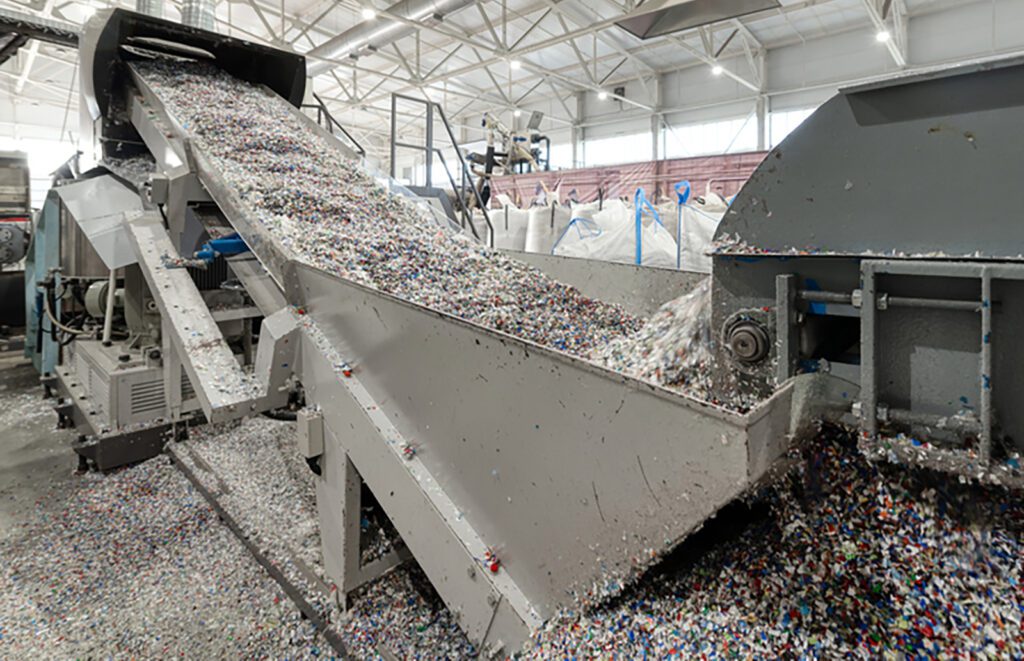
Berard noted too many elected officials are too focused on better waste-stream management, on better collection and sorting. “They’ve really bought into we can manage our way out of the system at the end of the pipe,” he said. “So we throw more money at recycling education programs and infrastructure.”
It’s not working, and it won’t work.
“We know that the policy solutions lie upstream. It’s reduction in plastic production through public policy,” Berard said. “It is making sure we can adequately manage the waste that we do have without creating more, as plastic production is forecasted to rise significantly over the next several decades. We can’t manage what we have now. We need to create less of it.”
A lot less.

To deal with the planet’s far-reaching plastic problem, Beyond Plastics has noted humans need to drastically reduce our plastic use, advocate for stronger regulations and industry accountability, and become better at reusing what plastic is made. This effort must start with significantly reducing the amount of single-use plastics that are produced.
Real solutions, according to Beyond Plastics, range from the small to the large, from the simple to the complex. Among the simpler solutions: use non-plastic refillable and reusable containers; use a non-plastic reusable water bottle; use reusable bags when shopping; carry non-plastic reusable utensils; bring non-plastic reusable containers for leftovers when going out to dinner.
These efforts also need to include phasing out phthalates, bisphenols, and other toxic plastic additives; the strengthening of chemical safety laws; and prioritizing public health over petrochemical industry profits.
Recycling should remain a part of the solution mix, albeit at a smaller scale and not promoted as the cure-all for mindless consumption. For instance, plastic bottles can be recycled, and bottle bills significantly reduce beverage container litter by as much as 84%.
Vote for government officials who campaign for environmental protections and bans on plastic bags and single-use plastics, support extended producer responsibility laws, prioritize public health, and who will hold Big Oil and Big Plastic accountable.
Valliant, Berard, and the authors of “The Problem With Plastic” caution individuals not to try and eliminate all plastics from their lives, because it’s simply not possible. What will work, they say, is supporting policies that sharply reduce plastic production and ensure that what does get produced gets reused at a far greater scale or is safely disposed.
“We’ve made it clear that individual choices are a part of combating the crisis, but it is not a substitute for getting into the political arena to drive change,” Enck and Mahoney wrote. “Systemic change is crucial: Supporting legislation, collective advocacy, and holding corporations accountable for reducing plastic production are essential for lasting progress.”
Sources: The bolded facts and figures were found in the book The Problem With Plastic, Beyond Plastics, and rebecca-altman.com.


highlighting the impact on marginalized communities over and over again plays well with a limited dedicated audience, but for the mainstream it suggests it is somebody else’s problem.
I think better messaging is we are all in it together as the plastic creep into the food supply for all, our coasts, parks, roadsides are besieged by litter, costs of waste disposal are rising etc etc. We all need to try to use less plastic and support companies that minimize plastic use when we shop for anything. “Reuse” is supposed to be the highest priority in waste management but it gets little promotion.
By the way, in RI, suburban Johnston feels victimized by all the waste brought there