
We’ve Failed to Show Wildlife Any Muskrat Love
May 15, 2025
Share


The pleasure of viewing sea otters snacking and relaxing in the Point Lobos State Natural Reserve off the coast of California in Carmel-by-the-Sea was a privilege, even if it was at a distance sans a zoom lens or binoculars.
At home in Portsmouth, we also have the privilege of viewing otters, in this case river otters, in our own yard. The viewing is far less enjoyable, as I find myself saddened by the environmental conditions in which these local otters play, breed, feed, and live.
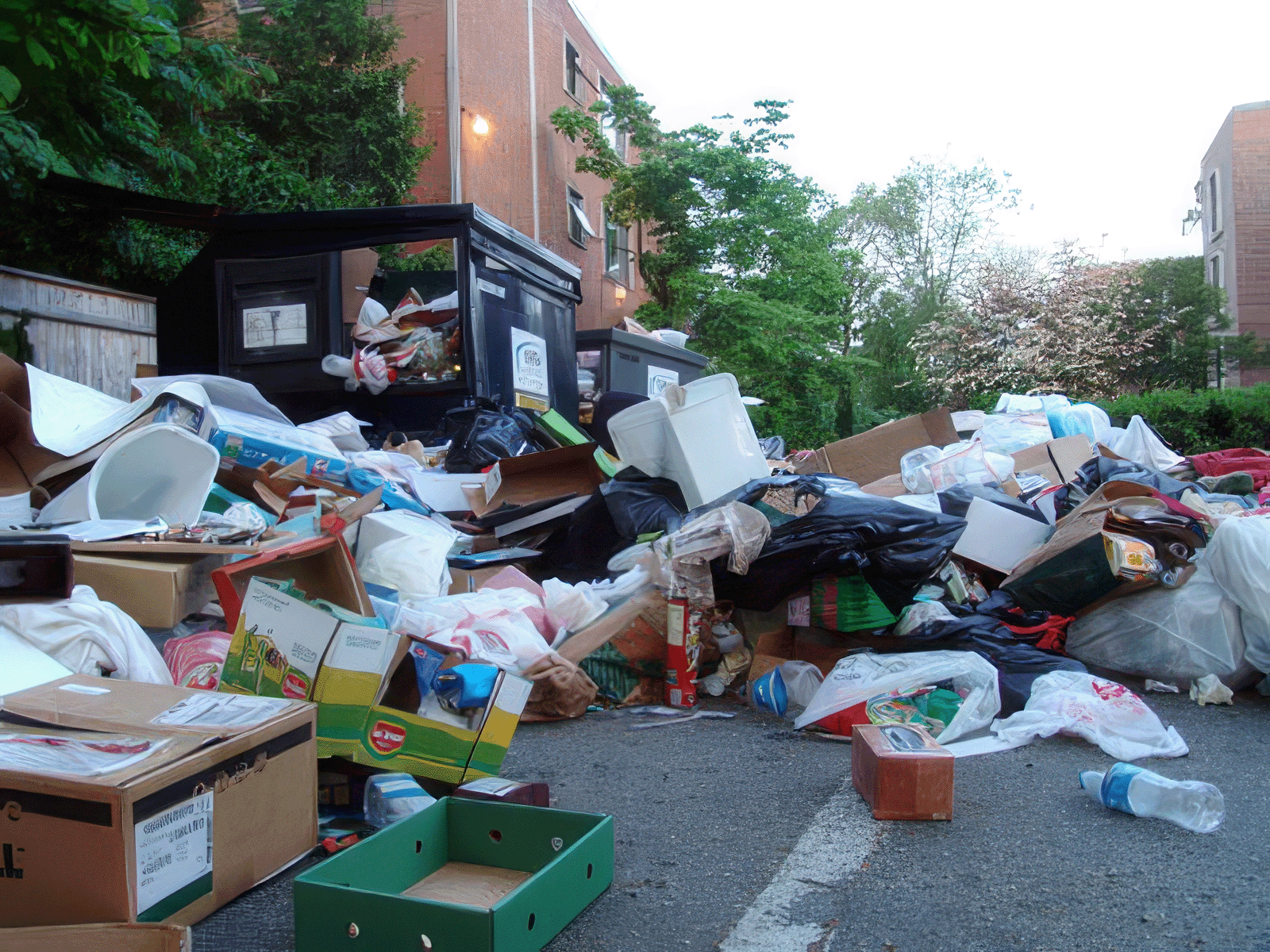
A “brook” runs through our property. In reality, it’s a stormwater outlet that dumps into the East Passage of Narragansett Bay, which is about a half-mile away. On the morning I began writing this column, I fished, with a bow rake, two plastic water bottles, a plastic container of chewing tobacco, and a plastic snack bag out of the poisoned waterway.
The nips and other assorted plastics, cigarette butts, and the aluminum cans of hard iced teas and cheap light beers I fish out of the brook are the least of its health problems. After heavy rains, or even moderate ones, rainbows of petroleum slicks and sheens of oil sit among the cattails and other aquatic plants, both native and invasive.
Watching river otters swim through this pollution — and the rest I can’t see — is heartbreaking, even though this species is much healthier, at least population-wise, than its larger cousin.
Sea otters are the smallest marine mammal, and with up to a million hairs per square inch of skin, it has the densest fur of any mammal. The latter made it a major target of the fur trade in the 1800s. And, as humans are wont to do, sea otters were hunted to near extinction. Their populations have somewhat recovered, but the species is still listed as endangered by the International Union for Conservation of Nature (IUCN).
Pollution, not hunting, is now the major contributor to sea otter mortality. Oil spills affect their ability to insulate themselves, and stormwater runoff that contains chemicals, toxins, and disease-causing organisms is absorbed by shellfish and other sea otter prey. By eating contaminated food, sea otters become infected or intoxicated, which often leads to illness and eventually death, according to the IUCN.
The North American river otter is considered by the IUCN as a “species of least concern,” because it isn’t currently declining at a rate sufficient for a threat category.
River otters occur in much of Canada and the United States, except for portions of the Southwest, and in Mexico in the Rio Grande and Colorado River delta areas, according to the National Wildlife Federation. They can live in many aquatic habitats, such as ponds, marshes, lakes, rivers, estuaries, and stormwater brooks.
They also were hunted and trapped for their fur, which resulted in river otters being extirpated from portions of their range. While they are still hunted in some places, habitat destruction and water pollution are now the species’ biggest threats.
In the eight years we have lived in Portsmouth, the stormwater brook, thanks to more frequent and intense rainfall and shortsighted development all around us, has widened and deepened. The neighbor’s sump pump PVC pipe that empties into the brook is now underwater for much of the year. His lawn is also eroding at a fairly decent pace, as he weed-whacks to the water’s edge and sometimes into it. I’ve watched pieces of his lawn fall into the brook. I’ve also watched cattails give his weed-whacker a beating.
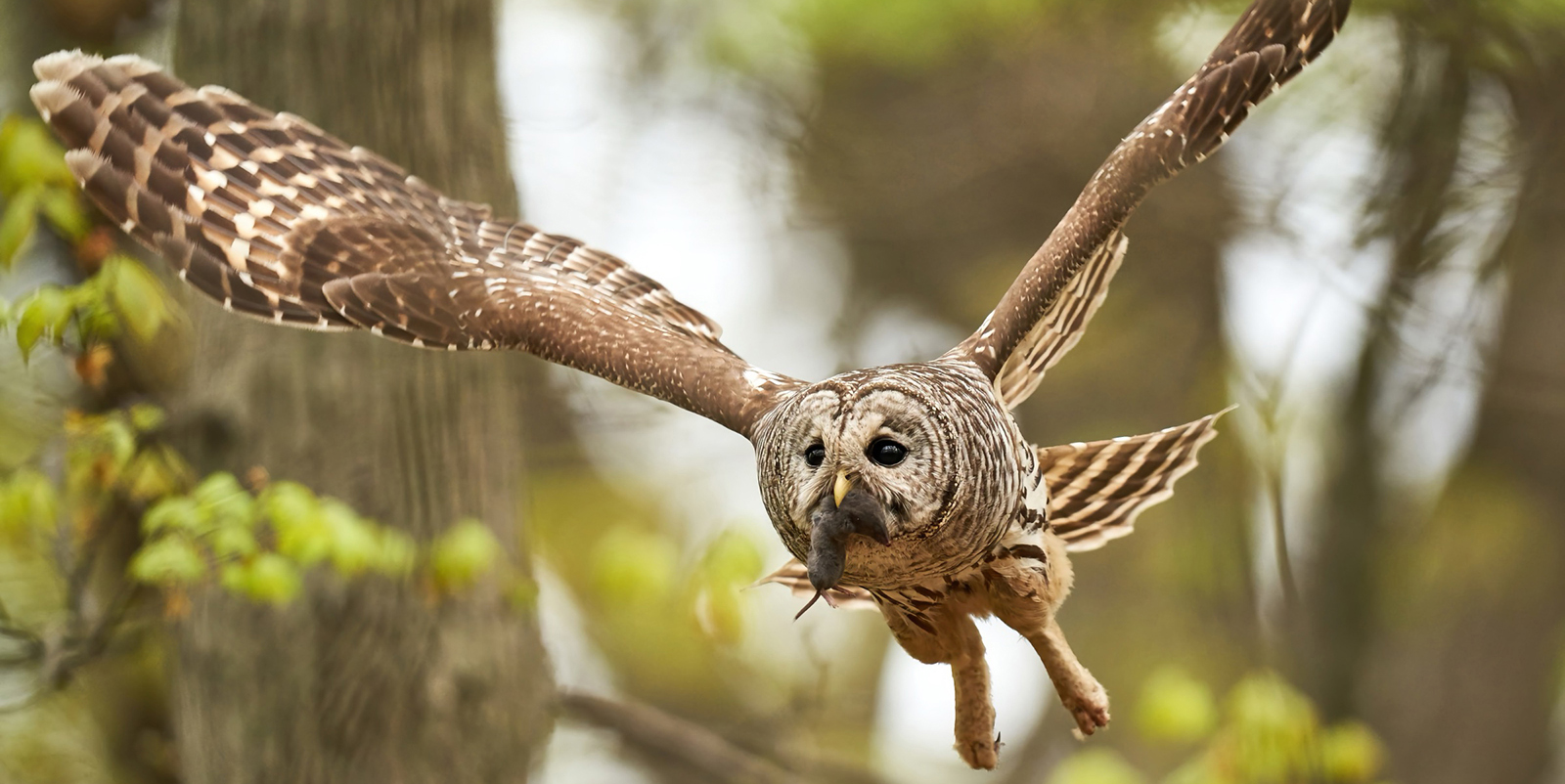
Besides river otters, the brook and the backyard wetland it supports is also visited by minks, muskrats, ducks, great blue herons, black-crowned night herons, red-winged blackbirds, frogs, snapping turtles, and, sometimes, small fish. (A neighbor’s son used to bring his backyard ducks to the brook for a swim, until he caught a glimpse of a big snapper lingering below the surface. I would have been more concerned about the oil sheens.)
The culvert (thankfully) is used by the river otters, minks, and muskrats to cross a residential road increasingly busy with trucks and heavy equipment expanding an empire of excess — unaffordable and oversized houses, some of which go unoccupied for much of the year — being built along the nearby shoreline and around what is left of the neighborhood’s modest homes.
Unfortunately, the snapping turtles, neither adults nor juveniles, use the culvert. I’ve already spotted three quashed baby snappers on the road this season. Myself and other neighbors often stand in the street to slow traffic when we see an adult snapper lallygagging across.
This hyperlocal building boom of overabundance, both inside and around gated communities, is responsible for increased stormwater runoff. Roofs to cover large houses and two- and three-car garages, paved driveways (some of which are quite long), hardened patios, and lawns, many routinely doused with chemicals, continue to replace meager scatterings of meadows, woodlands, and open space.
All this selfish development — homes that don’t need to be anywhere as big as they are to house two people for maybe eight months of the year and surrounded by lifeless carpets of grass — is stressing deer, coyote, and other wildlife. Another ecosystem on a respirator.
Our local stormwater brook, one of countless others across the state, and Narragansett Bay, along with the life they support, are being increasingly poisoned because we refuse to build humble homes, to understand the consequences of our mindless consumption, and to appreciate the lives of others.
Note: For those unfamiliar with Muskrat Love, it’s worse than you are imaging. Safe for work and children viewing, I think.
Frank Carini can be reached at [email protected]. His opinions don’t reflect those of ecoRI News.
Hmmm…why is “This hyperlocal building boom of overabundance, both inside and around gated communities, is responsible for increased stormwater runoff. Roofs to cover large houses and two- and three-car garages, paved driveways (some of which are quite long), hardened patios, and lawns, many routinely doused with chemicals, continue to replace meager scatterings of meadows, woodlands, and open space” responsible and your home is not? Are you able to write an article where you take responsibility for your part in this so called failure?
As a semi-retired Professional Wetlands Scientist I have had the opportunity to visit thousands of wetlands, freshwater and coastal, throughout my 45 year career. I have witnessed far too many instances of these precious resources being treated with blatant disregard and even intentional harm. Most of what I’ve witnessed is founded in selfishness, if not avarice itself.
Because of their downstream position in the landscape brooks, rivers, wetlands, and coastal areas find themselves littered with trash, as Frank points out.
The trash is emblematic of our lack of care for the environment. But, what’s even more insidious is the extensive damage wrought by the application of herbicides and pesticides across the globe for agricultural and horticultural purposes. These poisons upset the biogeochemical processes critical to a well functioning ecosystem. Yes, spraying your lawn with chemicals is killing lots of things that are endemic and necessary for a viable habitat, from essential microscopic bacteria to larger animals like both the sea and river otters.
Having worked a number of years for RIDEM as a Wetlands Specialist, I can say that those that work to protect our waterways have done a very good job at protecting them against the tide of neglect and disregard for these invaluable places. But the battle must continue, now more than ever.
Trash is ugly and symbolizes our selfishness. Deposition of poisons onto the landscape presents as efficiency, but hides our lust for more money or free time to, ironically, go play in “pristine” areas. The problems are real.
Hell John,
I agree 100% and face the direct cost of others’ carelessness by extensively testing and monitoring my well water for all types of contamination. Unfortunately, blankets of lush weed free lawns are more important than the environment to many folks. Additionally, many individuals find it easier to throw waste from their cars rather than placing it in a trash barrel. Too many individuals live in the moment and do not seem to be able to grasp the future economic and environmental cost of their actions. United we might make a difference but how do we truly get others to care and recognize their part in the issue and responsibility to resolve the problem?
Babs, your question of how we get people to recognize their responsibility in making the necessary changes? Of course, this is a very fundamental issue.
We know that people will protect what they love, so how do we get people to love the environment? I only know of one true way: through seeing Creation as at the hand of God. God, Himself breathed life into Creation through the Holy Spirit. Acknowledgement and recognition that His creation is His provision. Roman’s 1:20 says that God made Creation so that we would have no excuse not to know Him. Why do you think believers and non-believers, alike, feel deeply in the presence of majesty in nature? Because it is OF God.
Until and unless we humble ourselves to see God’s hand in and on Creation we will continue to disregard our pitiful disdain for the environment. And the only way to cure that is through the salvation of Christ.
As a Christian I see God’s hand all over Creation. We must humble ourselves and ask God to overcome our arrogance and avarice if there is to be real change.