Dip in Ridership, Complaints After RIPTA Service Cuts Take Effect
November 24, 2025
Share


The Rhode Island Public Transit Authority saw 90,000 fewer riders on its fixed-route service in October, compared to last year.
Last month, RIPTA serviced 1.16 million riders on its fixed routes, down about 7% from 1.22 million rides in October 2024.
The dip in ridership comes after the authority cut service on more than 40 of its routes. The cuts, which took effect Sept. 27, reduced frequency, narrowed the span of service, and/or eliminated some sections of bus lines.
Looking month to month, fixed-route ridership also declined by about 10,000 rides from September, when cuts largely weren’t in effect.
“The situation was already on the edge of being unsustainable,” RIPTA rider Traci Picard told ecoRI News. Picard lives in Providence and uses the bus to get to and from her job at Brown University. “Anyone who has another option is going to take it.”
Since the service cuts, Picard described longer wait times and crowded buses with riders packed “like sardines.” As the weather gets colder, she said, that’s only going to become a bigger issue.
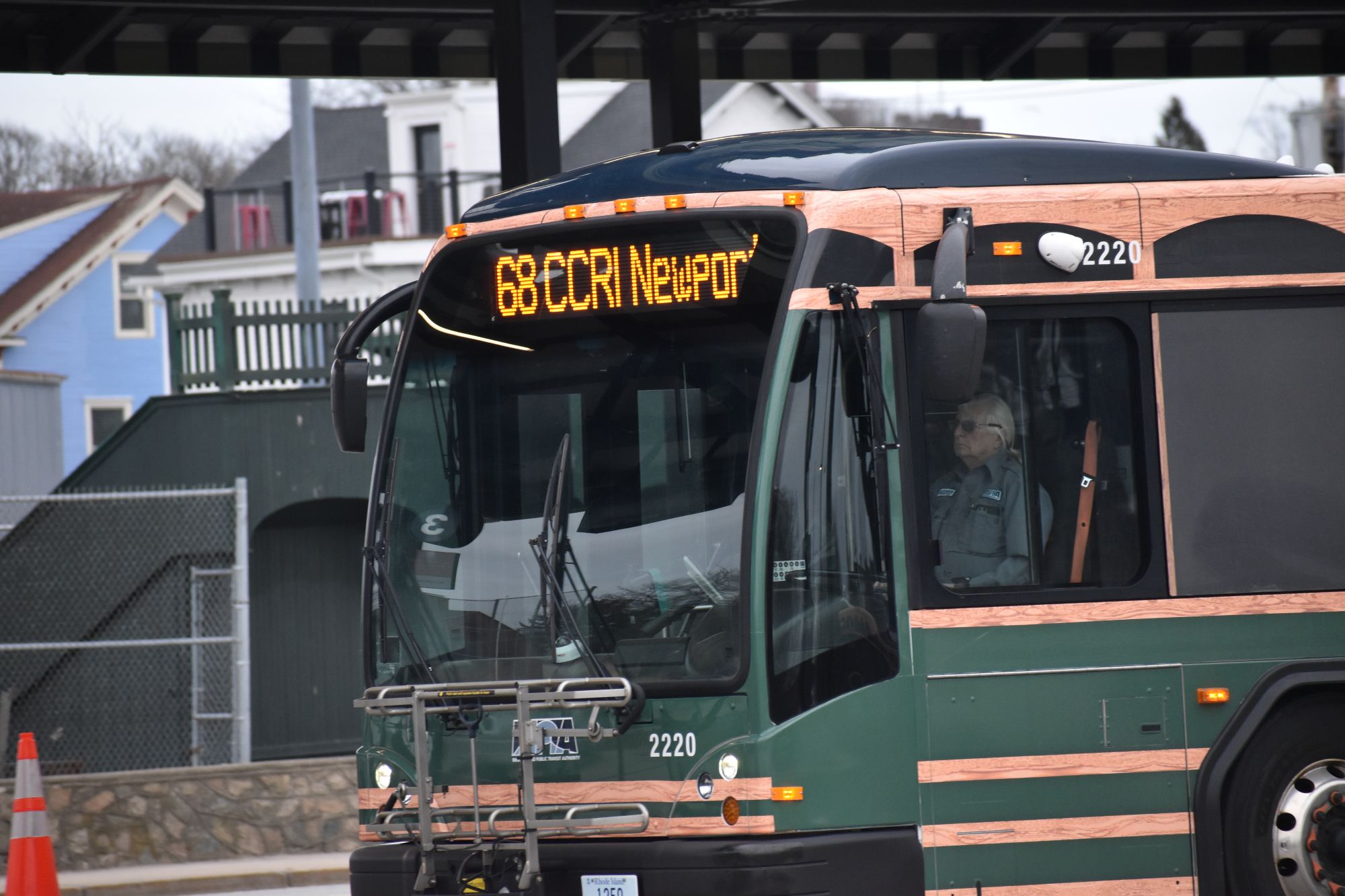
One of Picard’s children has been taking classes at the Community College of Rhode Island and working at Dave’s Market. Before the cuts took effect, the bus was an option, but now using a rideshare is the only reasonable choice.
“No one should have to Uber to CCRI,” Picard said. “It’s very disheartening, as a person who has been very loyal to RIPTA … they have abandoned us.”
On other metrics, RIPTA’s performance appears similar to before the service cuts.
Ridership on RIPTA’s flex buses, which operate on demand within certain geographic areas around the state, and its paratransit service, called RIde, increased slightly compared to last year, about 2,000 more rides total, combined.
On-time performance (OTP) for the system remained relatively consistent with last year at 73.2% this October compared to 73.7% in 2024.
RIPTA had been on time nearly 80% of the time in the first few months of 2025, but dipped down in September, which isn’t uncommon. Over the past few years, RIPTA has seen similar dips in OTP around when school goes back into session.
Complaints are also down in general. In the 30 days prior to the cuts taking effect, RIPTA received 245 complaints, many of them about customers being passed by the bus, and in the 30 days after, the agency received 197 complaints.
Although there were fewer complaints in total, complaints about late buses more than doubled from eight to 20 complaints following the cuts.
The Providence Streets Coalition, an organization that advocates for better transit, bicycling, and pedestrian infrastructure, also gathered comments, independently of RIPTA, before and after Sept. 27, and received more than 300 responses.
Many of those responses, shared with RIPTA and ecoRI News, described overcrowded buses and the need for riders to use rideshares to supplement cuts and lost service. Several riders said they feared they would lose employment because of the new schedule.
At a RIPTA hearing in October, PVD Streets operations manager Dylan Giles read some of the responses and explained that riders might feel frustrated and helpless to report the issues to RIPTA directly.
Picard stressed that although the system may still work for some riders, the costs of the cuts seeps into many other issues, including housing, education, and the economy.
“It has to work for all of us or it doesn’t work for anyone,” she said.
The next RIPTA board meeting is scheduled for Dec. 4 at 9:30 a.m.