
California Decision Will Make R.I.’s Transition to EVs More Difficult
May 26, 2025
Share


PROVIDENCE — Rhode Island’s electric vehicle transition may have been given a near death blow last week, after the U.S. Senate voted, 51-44, to rescind a waiver that allows states to have more control over their emissions standards.
Specifically, Congress has voted to rescind the waiver given to the state of California under the Clean Air Act that banned the sale of new gas-powered cars by 2035, as well as two additional mandates on zero-emission trucks, and stricter emissions standards for new diesel trucks in the Golden State.
Why does a waiver in California impact what happens in Rhode Island? Under the waiver given to California, states are allowed to choose whether they will follow the federal standards for emissions, or California’s. Rescinding the waiver given to California means the states aren’t allowed to push for greater zero-emission vehicles in their own jurisdictions.
State policymakers in recent years have passed a number of agency rules within the Rhode Island Department of Environmental Management that had the state following the California standards. Known as Advanced Clean Cars II and Advanced Clean Trucks, these rules within DEM would have phased out gas-powered cars in Rhode Island by 2035.
Buying a gas-powered car on the used car market would have still been allowed, but no new models of such cars would be for sale within the Ocean State.
In a statement emailed to ecoRI News, a DEM spokesperson said the department had been following the issue for weeks and is “deeply disappointed that Congress took this action.”
“In accordance with the RI Act on Climate, we remain committed to developing our Climate Action Strategy, which is due at the end of this year,” said Kim Keough, DEM’s chief of public affairs. “Since transportation is the largest source of greenhouse gas emissions, transitioning to a clean electric vehicle fleet remains a critical component of our strategy for that sector.”
The move by Congress potentially leaves Rhode Island without a clear, holistic strategy for tackling transportation emissions. That sector, made up of cars, trucks, buses and other large motor vehicles, accounts for 36.6% of all emissions produced by the Ocean State, the single biggest contributor to greenhouse gas emissions statewide, followed by the buildings and then the electricity sectors.
It’s not the first time a multistate strategy for tackling vehicle emissions has failed in recent years. In 2021, Massachusetts and Connecticut dropped their support for the Transportation & Climate Initiative in the face of soaring gas prices and overall inflation, leaving Rhode Island alone at the altar. The program as proposed required fuel operators to buy carbon allowances for emissions produced by their products, and was expected to raise $3 billion over the next decade for its participating governments.
If implemented in Rhode Island, the program was expected to raise $20 million annually for cleaner transit projects, with at least 35% set aside for communities hit hardest by transportation-related pollution. That loss of funding is almost certainly felt in Rhode Island today, especially as the Rhode Island Public Transit Authority, the state’s only transit network, faces a $32 million deficit.
In the meantime, on Friday the U.S. Climate Alliance, a bipartisan climate action coalition made up of 24 governors around the country, announced the launch of a new initiative in the face of Congress rescinding California’s waiver.
Called the Affordable Clean Cars Coalition, 11 of the participating states, including Rhode Island, as well as Massachusetts, New York, and California, have committed to collaborating on how to reduce vehicle emissions, and defend state powers under the federal Clean Air Act.
In a statement to the press, the 11 governors said the federal government had chosen to put polluters over people, and reaffirmed their commitment to reducing emissions.
“We will continue collaborating as states and leveraging our longstanding authority under the Clean Air Act, including through state programs that keep communities safe from pollution, create good-paying jobs, increase consumer choice, and help Americans access cleaner and more affordable cars,” according to the coalition. “As we consider next steps for our clean vehicle programs, our states will engage stakeholders and industry to provide the regulatory certainty needed while redoubling our efforts to build a cleaner and healthier future.”
Congress’ actions have come at a time when electric vehicles were slowly on the rise. According to industry data, there are 5.7 million EVs on roads around the country today, and EV sales account for just under 10% of all vehicles sold in the United States.
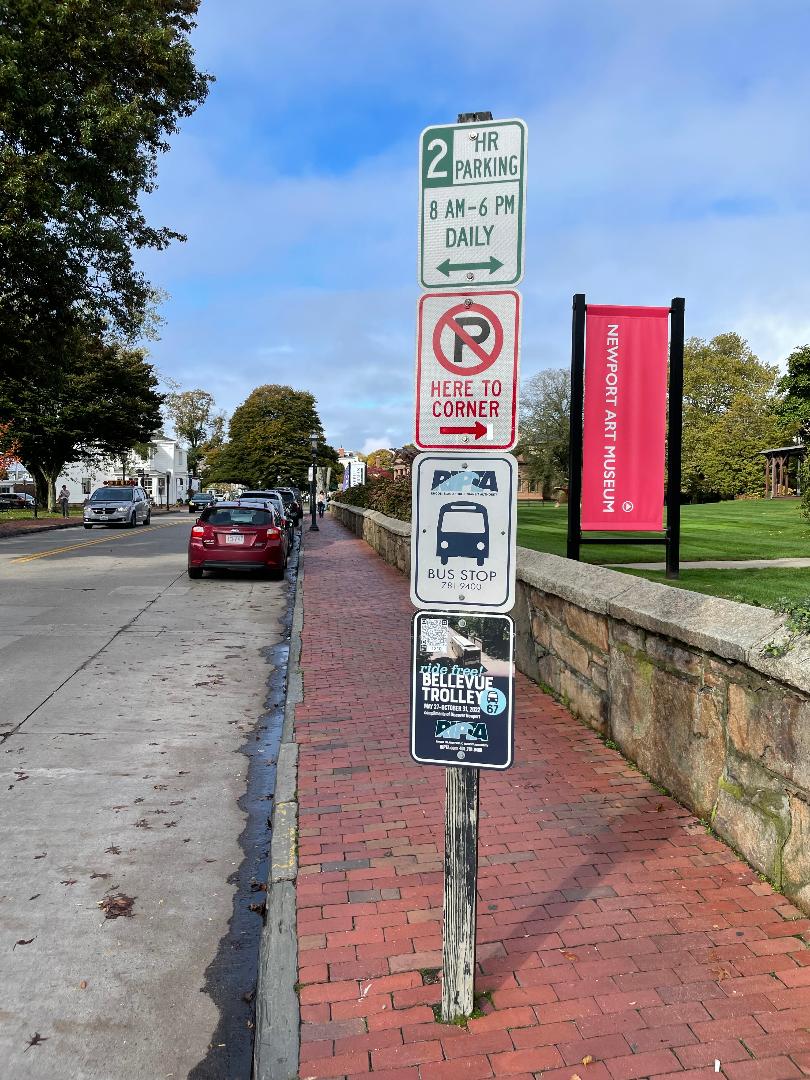
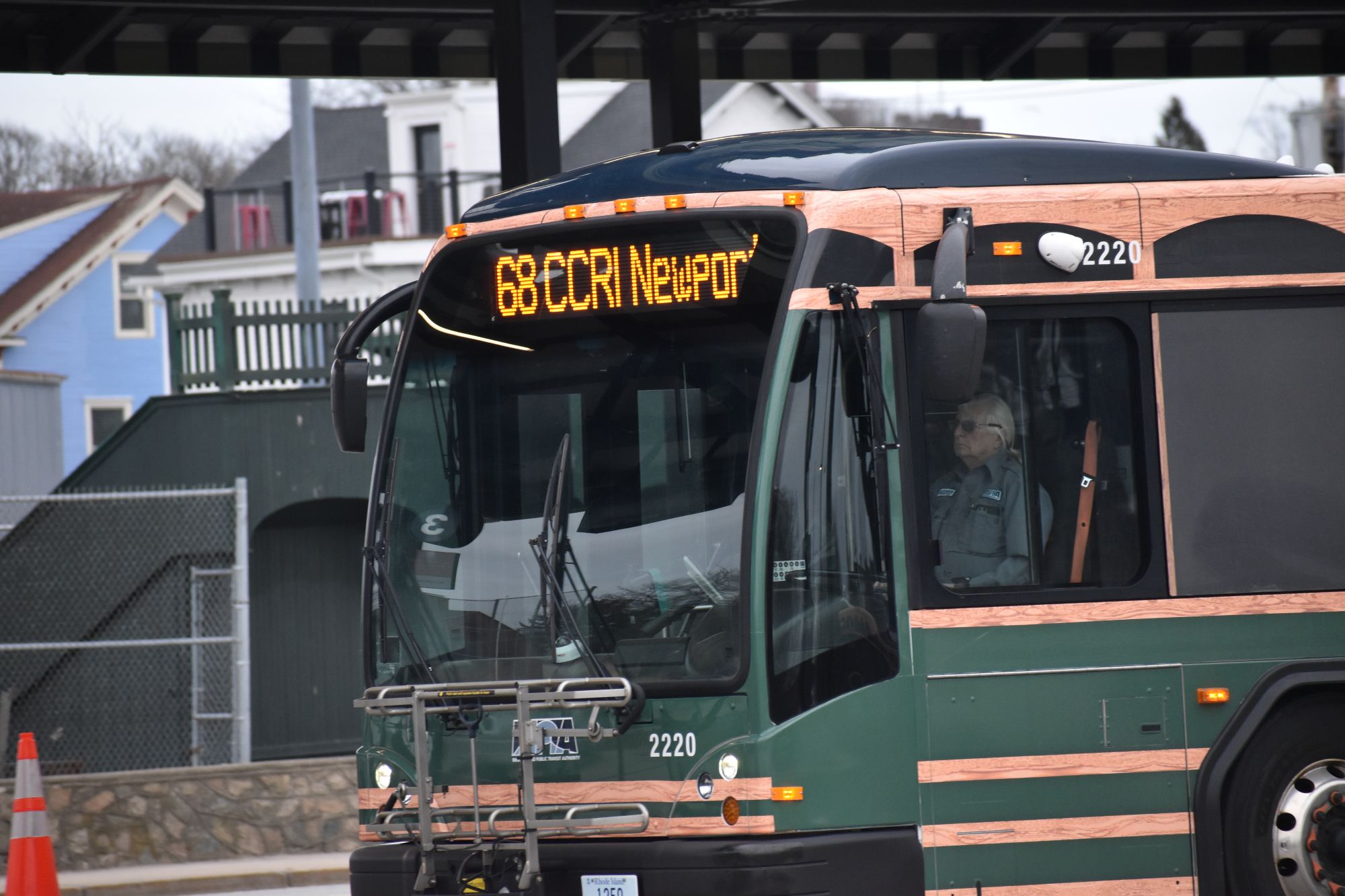
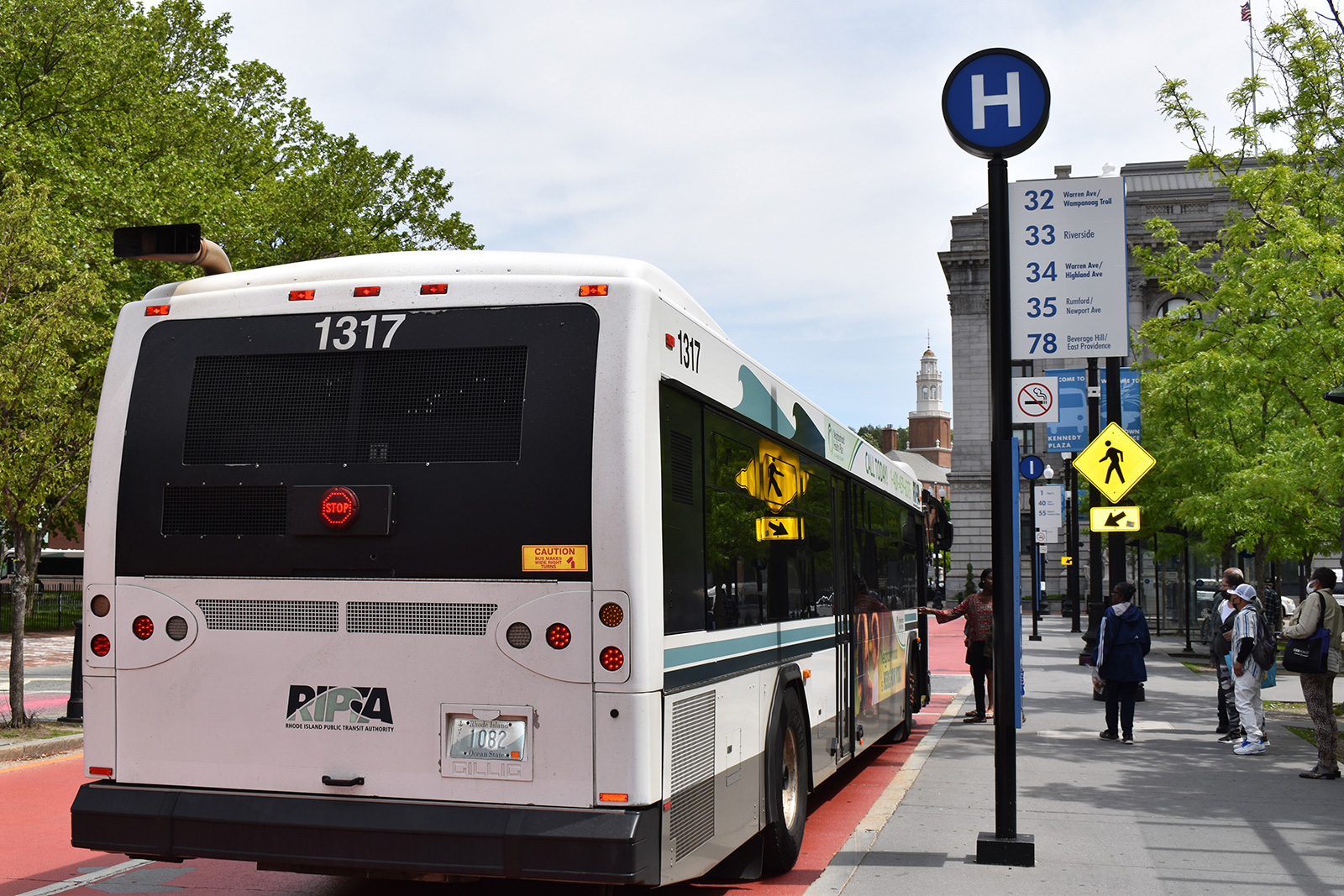
this will slow, but not stop the transition to electric cars, they are simply better vehicles and will win out in the market place. But they are still cars, so add to congestion, sprawl, accidents, tire pollution, the need for pavement… and their use of the grid will keep fossil fuel electricity going longer. So the state climate bureaucracy should have had additional strategies to reduce transportation emissions. But they have done little to nothing to promote more energy efficient transit oriented development, to expand RIPTA so it can attract more riders, promote electrifying the MBTA rail service which would make our connection to Boston quicker, cleaner, quieter, more reliable, they have abandoned expanding bike infrastructure even as a bicycle is the closest to a true zero emission vehicle. Maybe all of the above will be rethought in light of apparently losing some authority to mandate EVs
The USA will fall further behind other countries in the use of EVs under the current administration and power imbalance in DC. Yet the availability and experience of driving an EV can be a motivator for some, even without the emissions leverage.
There is an intersection between doing what is good for the air quality and what is good for the driver. Yet overall the repression of “climate change” as an allowable phrase plays to the denial narrative that fossil fuel lovers are continuing to be fed via the media that shapes their beliefs.