
Collaborative Efforts to Understand Lead Pollution in Providence
February 8, 2026
Share


PROVIDENCE — Gavin Piccione had been living in the city for more than a year when he received an email from Providence Water informing him that the pipes bringing water to his home might be made of lead. Piccione, who hadn’t known that lead was a concern in the area, wasn’t the only resident in the neighborhood to receive the mass alert email.
But he did have the resources to do something about it. As a postdoctoral geochemist at Brown University, Piccione realized the university had the capacity to test.
“We have all these resources at Brown to help test compounds and heavy metals,” Piccione said. “Why can’t that be applied here?”
That question grew into the Urban Water Pollution Project (UWPP), a research initiative to understand heavy metal pollution in the Moshassuck and Woonasquatucket watersheds in Providence.
The possibility of lead exposure — a revelation to Piccione — has been the everyday reality for many Rhode Islanders. About 80% of homes in Rhode Island were built before lead paint was outlawed in 1978, and many water service lines and plumbing still have lead pipes. These are point sources of lead pollution because they come from a specific identifiable source. Over time, lead has also been incorporated into soils and sediments from point sources, which makes it harder to track.
Whether it’s through chipping paint in a home or vegetables grown in lead-contaminated soil, consistent exposure to high levels of lead can be detrimental. Lead poisoning causes developmental and behavioral issues and aggression and a decrease in IQ. Children suffering from lead exposure are also significantly more likely to end up dropping out of school.
Across Rhode Island in 2025, 11,028 children entering kindergarten received blood tests. Of these children, 608 (6%) had a blood lead level (BLL) of 3.5 micrograms per deciliter or higher. Although the Centers for Disease Control and Prevention considers no amount of lead in the bloodstream to be safe, a BLL of 3.5 or higher is a matter of concern that necessitates immediate action. Although these numbers are an improvement from previous years, lead poisoning is still considered an active health crisis affecting Rhode Island children by the state Department of Health.
Lead exposure is also an environmental and social justice issue. Sixty-five percent of the 608 children entering kindergarten this fall with concerning levels of lead were from four Rhode Island cities: Central Falls, Pawtucket, Providence, and Woonsocket. In these “Core Cities,” more than 25% of children live below the poverty line. A child living in a Core City is three times as likely to have elevated blood lead levels, compared to those in the rest of the state. In 2020, 69% of children under six diagnosed with lead poisoning in Rhode Island were from Core Cities and 74% of them were children of color.
Advocacy groups such as the Providence-based Childhood Lead Action Project (CLAP) are working to amplify the voices of families in these communities and create networks that can help reduce lead exposure. CLAP community organizer DeeAnn Guo said the group aims to create “a space for people who have been affected by lead to come and get support from others who may have experienced it before.”
“We want to know if it’s safe to play around in this dirt,” said Guo, sitting behind a wall decorated with certificates and awards. Prominently displayed on the shelf is a child’s sippy cup with the words “Be Lead Aware.” Founded in 1992 by parents worried about their children’s exposure to lead, CLAP is one of the primary leaders of lead poisoning prevention in Rhode Island.
But testing soil is difficult, and expensive. To cover more ground and provide valuable information to community members, Piccione’s UWPP at Brown has begun cultivating a relationship with CLAP and other invested organizations.
Two to three times a week, Guo and a group of volunteers go door to door in different neighborhoods to spread awareness about the potential threats of lead. With the help of UWPP, a new addition to her protocol is asking if she can take a soil sample.
Guo takes samples from “basically anyone who is willing to let me dig up a little bit of their dirt,” she said. They ask for a sample “especially if we see someone gardening or if we see bare soil, or if we see children.” With every door Guo knocks on, and every workshop CLAP holds, they hope to spread information that can be passed from one person to the next. “It’s good to have a network,” Guo said.
One of CLAP’s most recent wins was the Rhode Island Rental Registry. As of June 2023, landlords are required to register their rental properties on a RIDOH database, making landlord and property management information publicly available. Certificates for lead inspections are also supposed to be documented. “It has really pushed our compliance forward,” Guo said. “It’s definitely good to remind people, like, hey, this is your responsibility.”
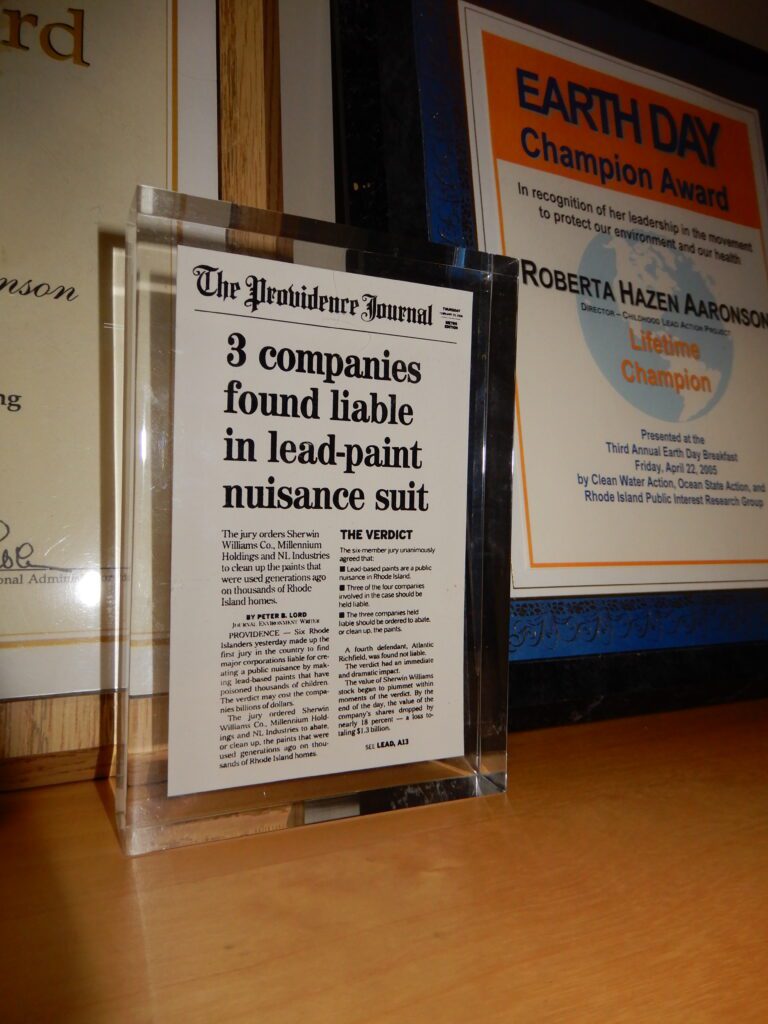
However, a lot of work on the enforcement side remains. As of October 2024, it is illegal for a rental property to be unregistered, but many still remain off the list, and others fail to maintain proper lead compliance certificates. As of right now, RIDOH has no consequences for non-compliance and no date by which the threatened fines will be applied.
Piccione and UWPP hope to contribute to the efforts to protect Rhode Island residents, turning their scientific discoveries into usable resources for community members. For UWPP, it’s about “arming people with the knowledge to just protect themselves from the places in their environments they interact with all the time,” Piccione said.
“Lead safety doesn’t necessarily mean that there is no lead,” Guo said. “We’re currently in a room full of lead paint, but it’s relatively safe.”
According to Piccione, to completely remove lead from the city would require city-wide, multi-year, engineering-based projects, such as replacing pipes and rebuilding homes. Understanding everyday interactions with lead and the precautions to take to reduce risk are the next best defense.
Piccioni said getting the science and knowledge of lead sources in people’s homes out to them is a priority. This means scientists need to understand where it’s coming from and in what concentrations, both basic questions Piccione’s UWPP project seeks to answer by understanding where the metals are found in the watersheds and how they got there.
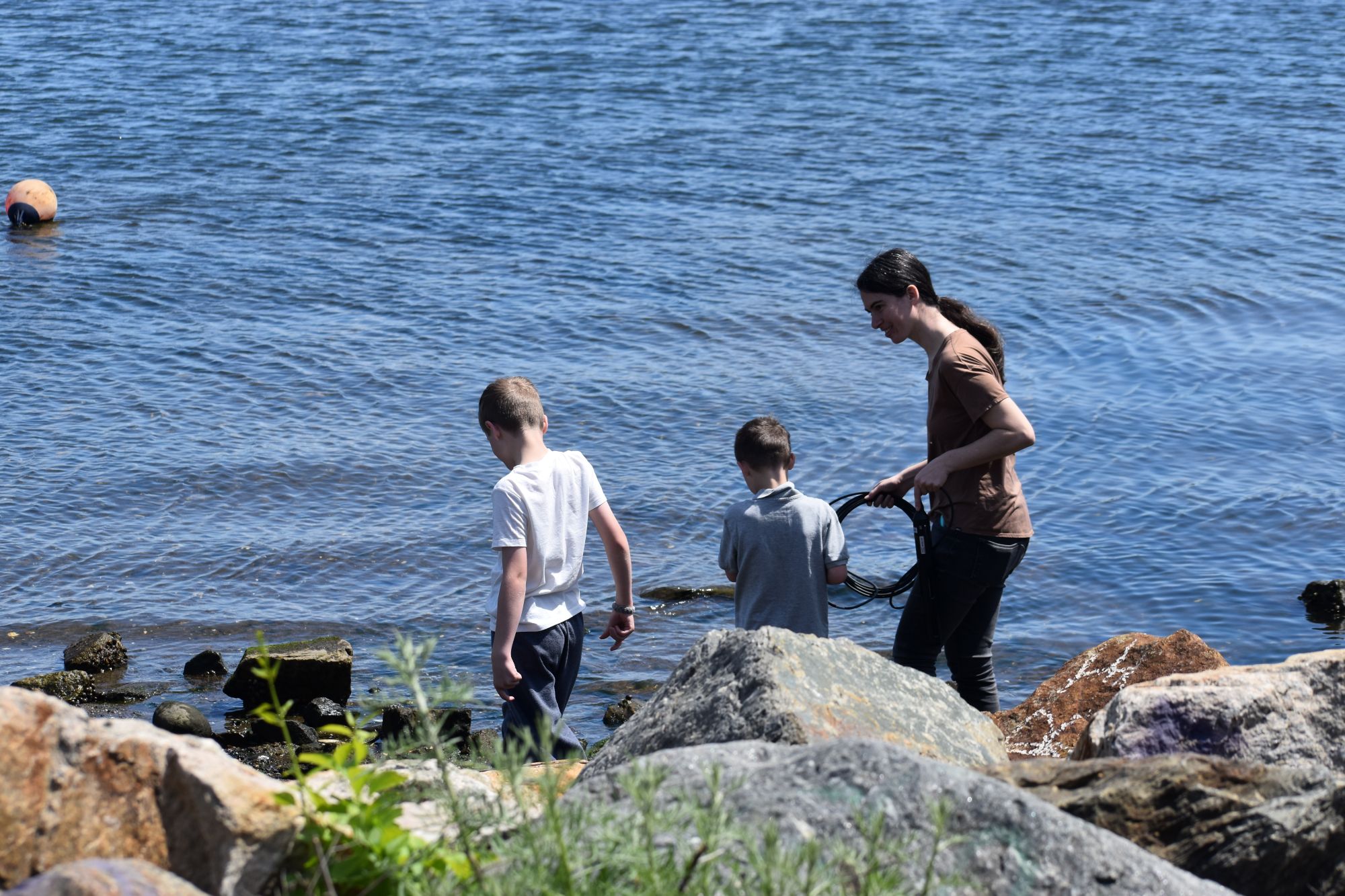
To comprehensively survey and map lead contamination in the Providence watershed and surrounding areas, the UWPP is split into two branches, one that collects and tests water samples and one focused on soils and sediments. The watershed team monitors eight sites across the Moshassuck and Woonsocket rivers that are also monitored by the U.S. Geological Survey (USGS), which allows them to link their chemical measurements with year-round river flow. This helps the Brown scientists uncover details about the presence and movement of lead in the watershed.
“We’re trying to understand where and why and how metals are getting into the river and circulating through the river,” Piccione said. His team also selected sites that correspond to possible point sources of heavy metal pollution, like old mills or areas where a factory used to stand. At each site, they take key river measurements during large storms, when the watershed team goes out to sample the river before, during and after the storm.
Watching the rivers rise with the rain, Piccione said he immediately notices changes.
“The river starts to really smell bad,” he said. “And there’s an incredible influx of garbage running through the river.” This coincides with heavy metal spikes in the samples he and his team collect, he added.
Piccione said preliminary findings suggest one cause for these heavy metal spikes is storm runoff that flows into the river, for example from the highway. Another possible culprit is sewage overflow. Providence, like many old urban areas, uses a combined sewer system that experiences frequent overflows during periods of heavy rain, which coincides with the jumps in heavy metals.
Providence has a storied industrial history, beginning in 1780 with textile production that allowed the economy to develop into one of the most productive in the United States. The city today is built from the remains of this industrial past, and the effect goes farther than combined sewer systems. Piccione said everything from the biggest mills to the “mom and pop laundromats and gas stations” polluted the soils with lead. Now Piccione and his team at Brown are working to determine how this history has shaped the soil and water of Rhode Island and what to do moving forward.
With the help of Scott Frickel, a sociologist at Brown University, the UWWP has been able to contextualize the findings with an industrial archive of Providence. Fickel’s research focuses on the unequal burden industrialization places on low-income communities from past to present, and he has mapped the various businesses that are responsible for waste today. As the project advances, they hope to understand the heavy metal footprints left by different industries and the extent to which they will become hazardous in the future.
“The goal and the strategy is the more you know, the more power and more connection to this place you have,” Piccione said.
This story was published as part of a collaboration between ecoRI News and students in Brown University’s Science Journalism class. The stories examine the science, history, and human experiences connected to the Ocean State’s rivers — from water quality and wildlife restoration to flooding, pollution, social justice, and the communities working to protect them. To read more of these stories, click here.

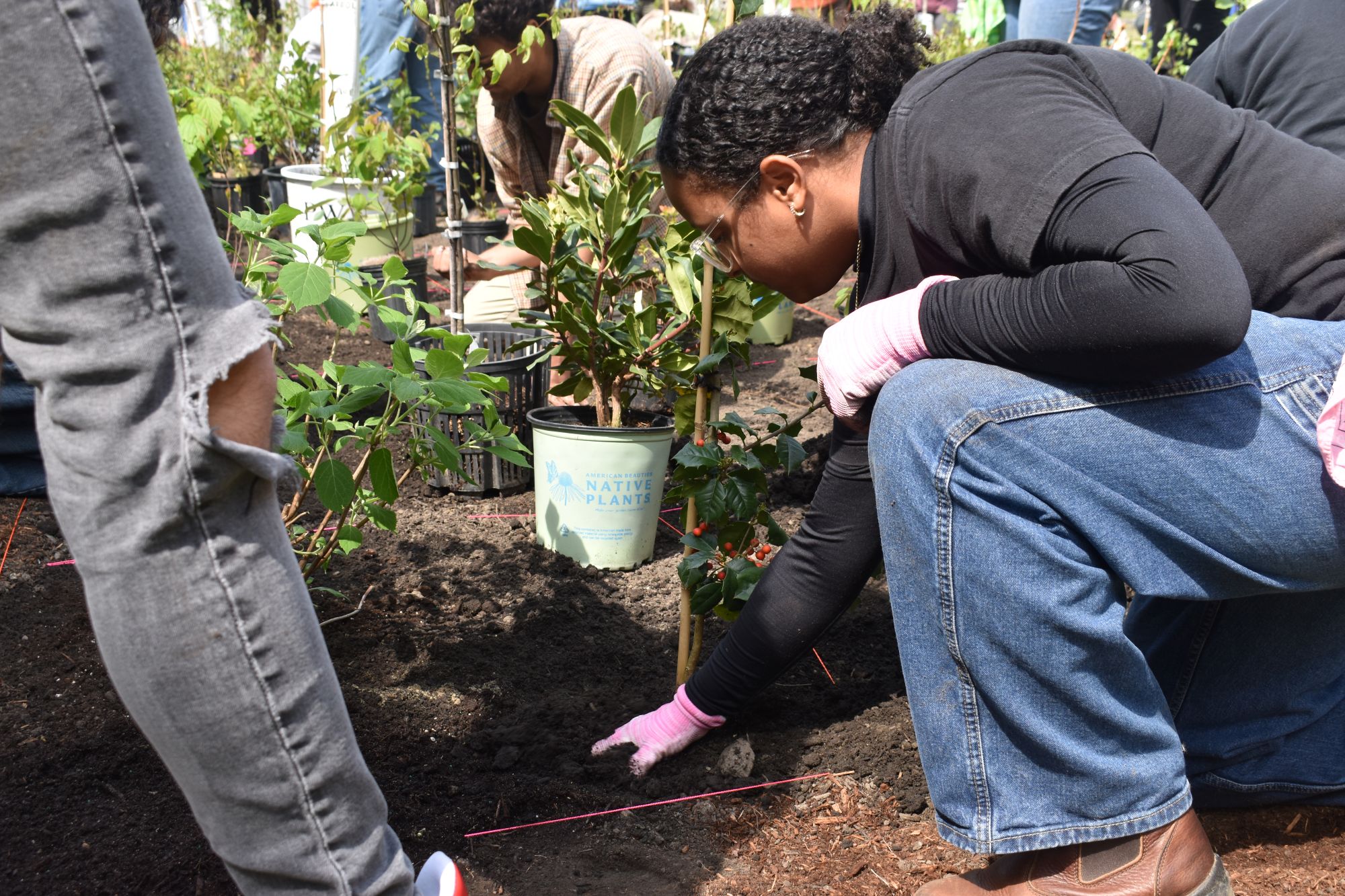
As an environmental consultant working mainly in southern New England, I can attest to high soil lead levels being prevalent across urbanized portions of RI and MA. Another issue that has raised its head is the presence of asbestos fibers in soil. It it under-sampled, under-assessed, and potentially causing health concerns when the soil is disturbed. I suspect it is contained in old fill material used widely in both states. Better and easier regulations are needed to address this. If you’re digging in the dirt, wear a dust mask!!