Waiting on Science: Rhode Island’s Bengal Cat Ban in Limbo
July 20, 2026
Share


PROVIDENCE — The rabies control board voted July 14 to leave the state’s Bengal cat policy unchanged even though the state Department of Environmental Management has stopped enforcing it while it waits for updated national guidance.
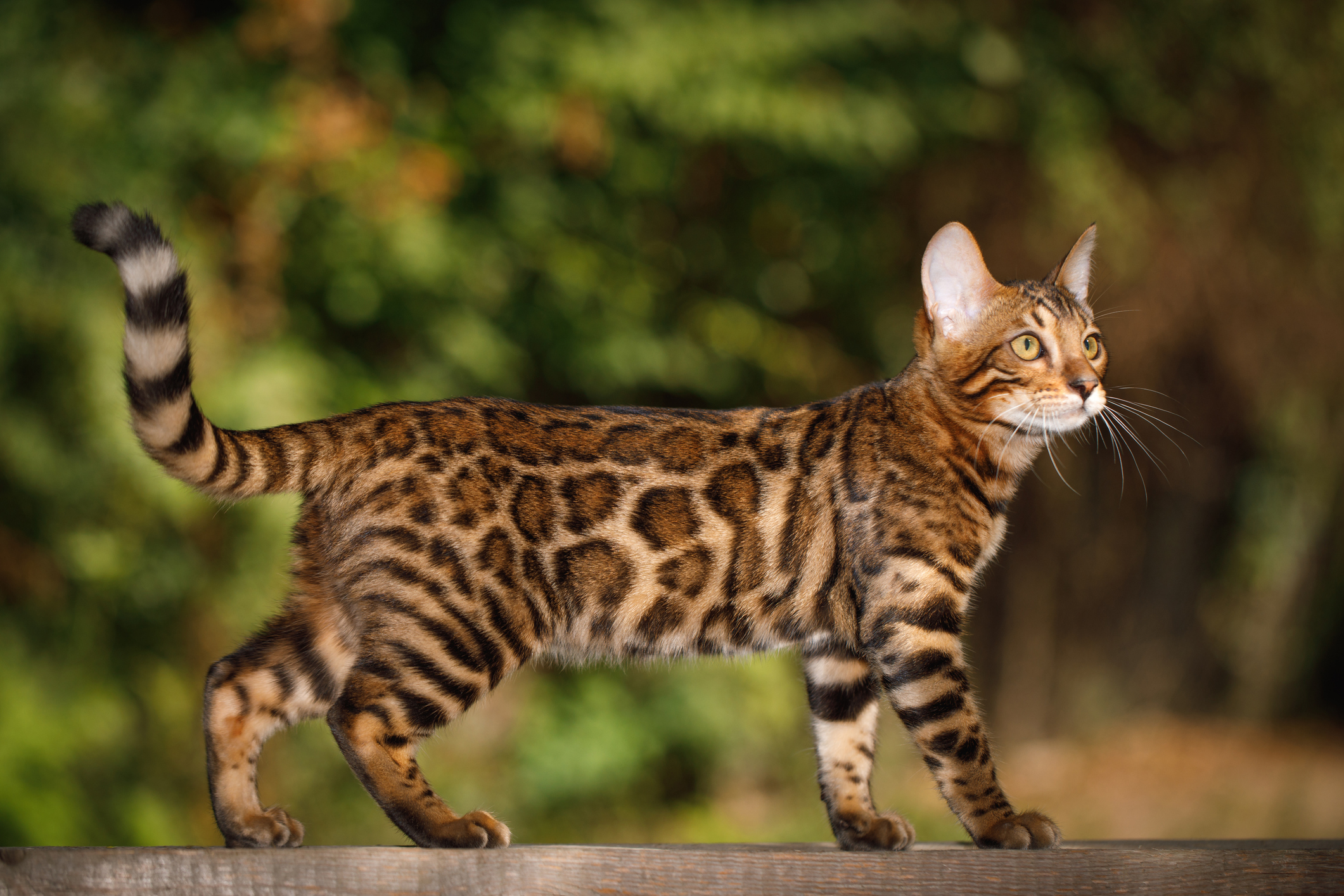
Rhode Island prohibits Bengal cats because they’re hybrids created by crossing domestic cats with wild Asian leopards, even though the International Cat Association recognizes them as a domestic breed, and other states allow them.
The first Bengals were bred in 1963 to produce a leopard-like coat. Most Bengal cats seen today are several generations removed from that original crossbreeding, because “mathematically, you just can’t get to having zero wild blood,” state veterinarian Dr. Scott Marshall told the board.
However, the debate in Rhode Island centers on the rabies vaccine as state law requires pet dogs, cats and ferrets to receive a U.S. Department of Agriculture-licensed rabies vaccine. But no vaccine exists for hybrid animals, leaving public health officials without research on how vaccinated hybrids respond to rabies.
“We know a lot about rabies and how it behaves in different species. But the quarantine periods and management protocols are all predicated on domestic animals, so we really don’t know how it behaves in hybrids,” Marshall told ecoRI News.
The uncertainty surfaced when DEM cited a resident in 2018 for possessing what the state classified as a wild carnivore: a Bengal cat. Records show the animal was 97% domestic and 3% Asian leopard cat ancestry and received rabies vaccinations since 2011. The owner had also obtained breeding permits in Warwick.
Marshall said veterinarians may treat Bengal cats and are not required to report owners to the state. But he said they should warn clients that any rabies vaccination administered to a hybrid cat will not be recognized for public health purposes.
“Right now we’re relying on the best science that we have available, which is really no science,” he said. “Hopefully that’ll change, and we can make a more informed decision.”
Marshall said the lack of research comes down to “dollars and cents.”
“There are a lot of cats, dogs, horses, etc., but there aren’t a lot of hybrids,” he said.
For board member, Dr. Chris Hannafin, the Bengals are not the only concern.
“There’s not just the Bengal; there’s not just Savannah,” he said during the meeting, adding, “I’m aware of several that I don’t even know what they’re mixed with.”
Marshall has spent more than two years waiting for the National Association of State and Public Health Veterinarians to update its guidance on the possession of hybrid animals. The recommendations, known as the rabies compendium, form the basis of Rhode Island’s rabies regulations.
The National Association of State and Public Health Veterinarians did not respond to ecoRI’s request for comment.
Until that guidance is released, DEM has suspended enforcement of its requirement that Bengal cats be removed from the state. The department does not want owners forced to surrender their pets only to learn later that national experts consider them safe to keep, Marshall said.
But if the updated guidance does not change, Rhode Island will resume enforcing its regulations and require Bengals to leave the state.
He said the delay leaves Rhode Island operating in a gray area.
“It would be a different situation if we were talking about zoo animals, but these people aren’t keeping these cats like other permitted wild animals,” he said. “They’re keeping them as house pets, where they’re obviously very attached to them and love them.”