
R.I. Regulators Wrestle with Future Costs of Battery Energy Storage
August 29, 2025
Share


WARWICK, R.I. — There’s a big battery-shaped gap in the state’s renewable energy plans, and officials are inching closer to closing it.
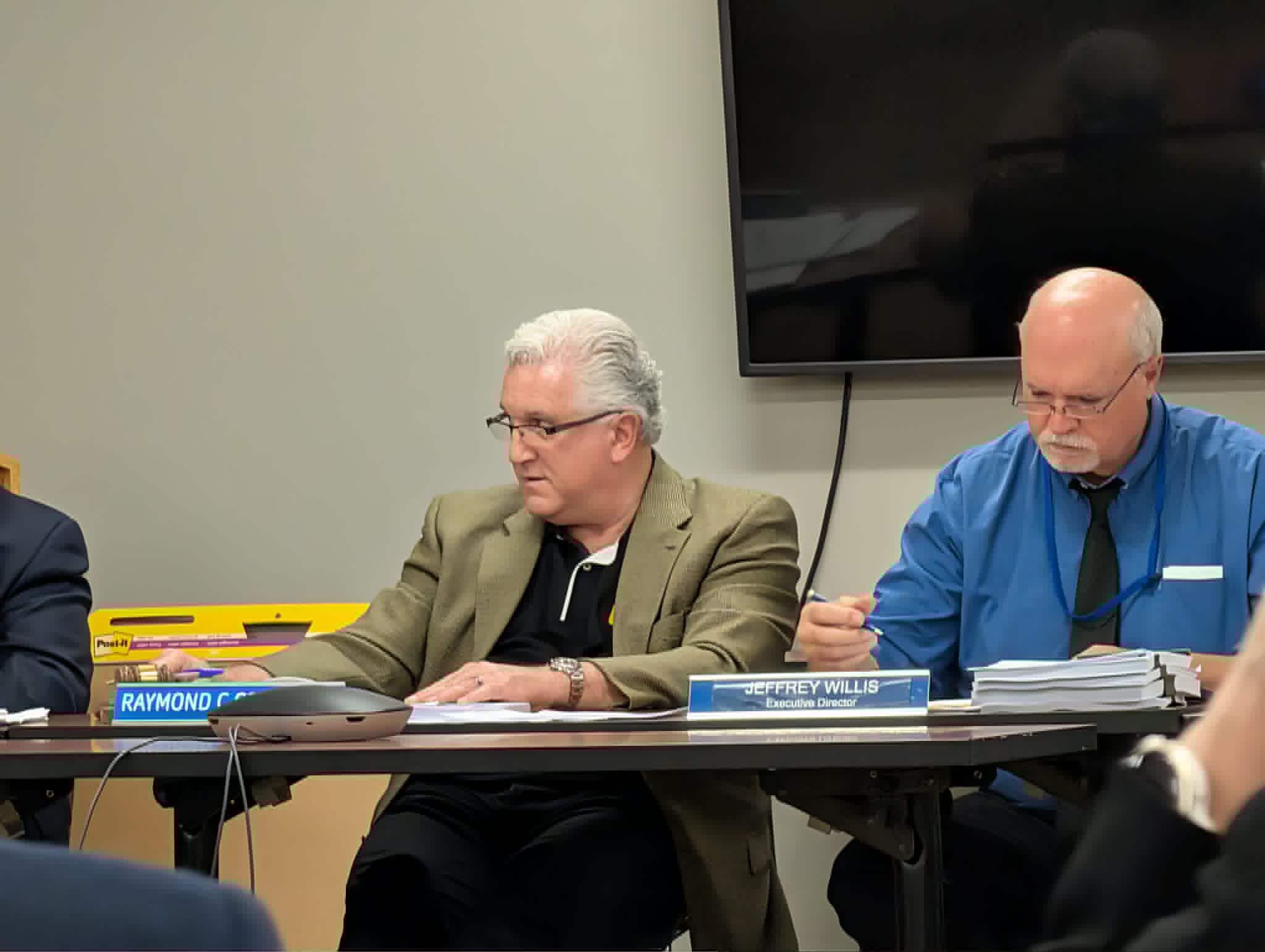
The public got a first look last month on how the cost of battery energy storage, like solar or wind, could appear on their energy bills in the future. The state Public Utilities Commission, during an open meeting, heard from its consultant, the Boulder, Colorado-based Apex Analytics LLC on how regulators could set up the costs of wholesale energy storage on the grid.
Matt Nelson, one of the principles at Apex Analytics, told commissioners that based on his conversations with stakeholders, most were concerned about trying to find the fairest way to allocate the costs.
“[Storage] exists in that liminal space between where the distribution system and transmission system interact,” said Nelson. “A storage device would primarily be using the New England market, but it would be interconnected at the edge of that system, near the transmission lines, but still technically be on the distribution system area.”
Battery energy storage is a useful renewable energy technology that doesn’t quite fit into the way state regulators deal with electricity. Current policy design only accounts for a one-way system: power plants generate electricity, and it flows through transmission lines and substations down to the power lines that supply electricity to buildings on street level.
But energy storage throws a wrench in that process as the technology swings both ways. It can draw power from the grid and also discharge power back onto the grid as a generator.
Nelson told commissioners that any wholesale tariff on storage for drawing power from the grid (despite the controversial nature of the word in 2025, tariff means payments) would consist of a customer charge, a monthly fee to recover administrative and account-related costs; and a demand charge, aimed at recovering the costs associated with electricity distribution.
Part of the consultants’ recommendations was a higher demand charge during peak times, identified as weekday afternoons from 2 p.m. to 7 p.m. in summer (June through August) and winter (December through February), identified via a study as peak load times on the grid, or in layman’s terms, the times of year when people use the most electricity.
That would incentivize storage from drawing power during peak load times, driving up the cost of power for everyone else.
“The proposed tariff structure reflects a narrower and more cost-effective access point – provided these systems continue to offer benefits to customers by discharging during peak hours,” wrote Nelson and fellow Apex Analytics principal Mike Goldman in a memo dated July 22. “It should be noted that in the technical sessions, the developers indicated that they likely would never charge except during off-peak time periods.”
The kind of market infrastructure, the financial math that makes building battery energy storage possible, doesn’t really exist in Rhode Island. There’s small-scale energy storage: homeowners with rooftop solar often have a battery storage back-up connected to their system.
To date, Rhode Island has only one utility-scale storage system connected to the grid. In 2022, the Clear River Electric and Water District (formerly the Pascoag Utility District), together with the Massachusetts-based developer Agilitas Energy, built a 3-megawatt, 1,600-square-foot energy storage facility in the back of an industrial area parking lot in Burrillville.
The project was funded with a $1.4 million loan from the Rhode Island Infrastructure Bank and $250,000 in a grant from the Rhode Island Office of Energy Resources, to pay for the cost of substation upgrades to accommodate the storage.
The utility district, like many places in Rhode Island, doesn’t generate any power within its jurisdiction. But the battery storage turned out to be a cost-effective way to boost supply during peak times and keep additional power costs lower for ratepayers.
Rhode Island isn’t dissimilar from that setup, with the state generating some of its electricity through half a dozen power plants, and the rest getting imported from out of state.
Massachusetts and Connecticut, meanwhile, already have similar tariffs in place. Massachusetts has a goal of 1,000 megawatt-hours of energy storage by the end of this year. Connecticut has set a similar goal for the end of this decade.
In Rhode Island, the PUC still has to work out retail rights and interconnection concerns, not to mention filing the final energy storage rate designs to the Federal Energy Regulatory Commission for approval.


Is there an answer to this question: Where are the savings from all of the solar fields in the state? The electric bill hasn’t changed to reflect all of the acres and acres of solar making electricity.