
PUC Regulators Reject Electricity Contracts that Don’t Adhere to R.I.’s Renewable Energy Standard
May 12, 2025
Share


WARWICK, R.I. — State regulators late last month rejected arguments from two electricity suppliers who wanted to keep more than 80 electricity contracts exempt from renewable energy purchases.
Last fall, the Public Utilities Commission identified a number of anomalous contracts from Constellation New Energy LLC and Engie Resources LLC, both of which sell electricity to single-family homeowners, hospitals, and universities, among others.
These contracts were signed in the days and weeks before Rhode Island’s Renewable Energy Standard went into effect, thereby saving their customers an unknown but tidy sum of money by avoiding having to buy additional and more expensive electricity from renewable energy sources.
But the commission identified 86 contracts, 46 from Engie Resources and 40 from Constellation New Energy, that the commission says shouldn’t be exempt because the companies failed to sign their portion of each contract before the July 1 cutoff date.
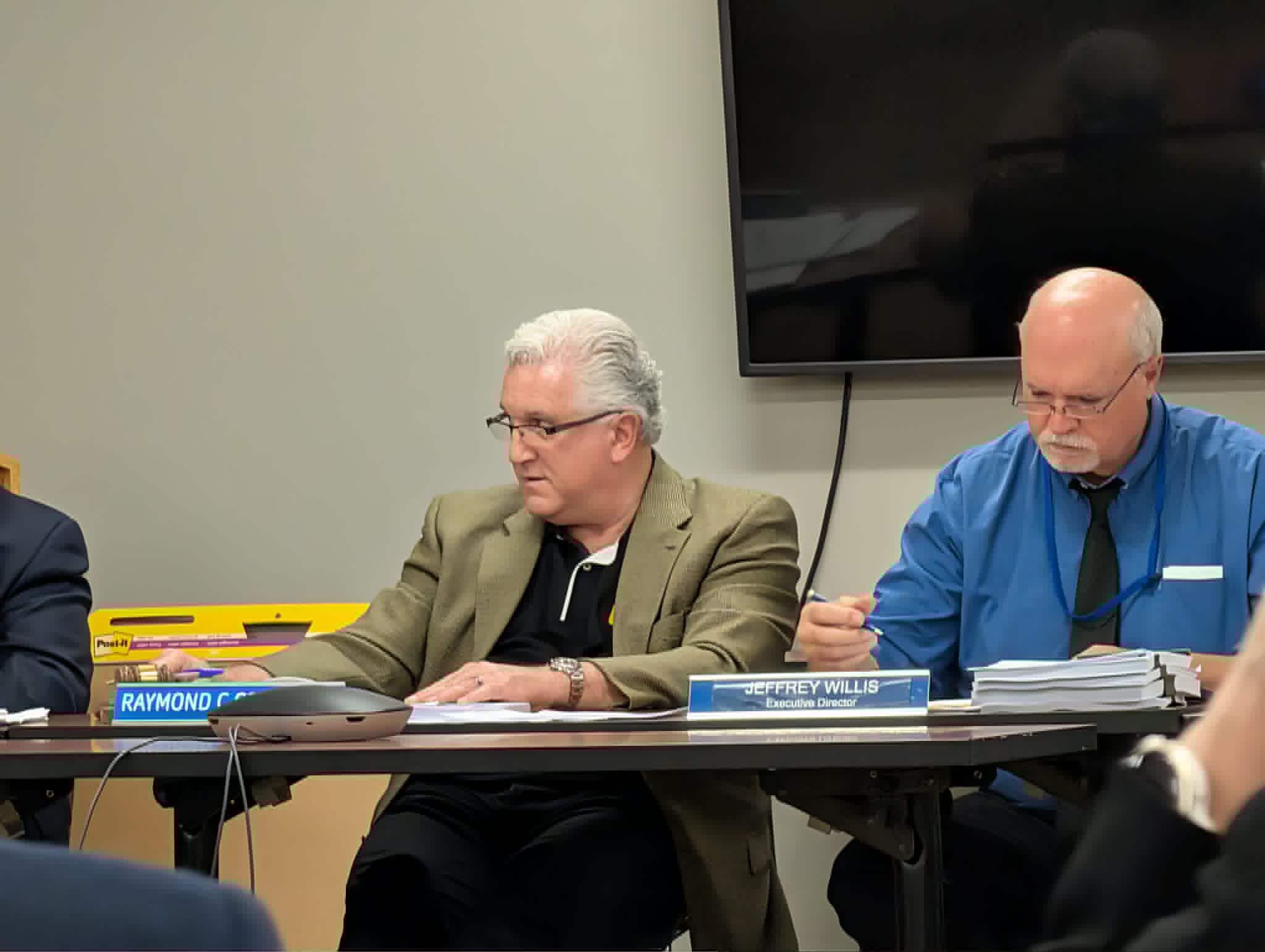
“If the 100% Renewable Energy Standard is that important to Rhode Island, and it’s been that way and people have been talking about this policy, we need to take this seriously and not give away the obligation or exempt the obligation,” PUC chair Ron Gerwatowski said.
Also at issue were 68 contracts from Constellation New Energy that contained unusually long holdover or “evergreen” clauses. In short, the contracts contained end dates, but also had clauses that would allow the same contract to be extended, and therefore exempt, for far longer than the initial term of the contract. Commissioners during their public meeting last month weren’t buying the blurred end dates.
The 2022 law requires electricity contracts signed after July 1, 2022, to contain an additional 4% of renewable energy starting in 2023. In 2024, suppliers would be required to source an additional 5% of renewable energy; in 2025 another 6% of renewables; and so on until the state sourced all of its electricity from renewable sources by 2033. Instead of adhering to that standard, contracts signed before July 1, 2022, require only that an additional 1.5% of renewable energy annually be purchased until the end of the term of that contract, far lower than the guidelines required under the 2022 law.
“The purpose [of the statute] wasn’t to allow people to create contracts in perpetuity,” Gerwatowski said. “It was to sort out multiyear agreements so folks could rely on the fact that it was only going to be 1.5% and not have their portfolios thrown out of whack and then face financial harm for having made commitments relying on state law that gets disrupted by an unexpected statute change.”
A spokesperson for Engie Resources declined to comment. A spokesperson for Constellation New Energy didn’t return requests for comment.
It’s likely to be the only consequences for third-party suppliers who sold an unusual number of electricity contracts in June 2022. ecoRI News reported earlier this year that the state was unlikely to meet the goals of the Renewable Energy Standard (RES).
The standard, passed into law three years ago, requires more and more of the electricity sold to Rhode Island customers to come from renewable energy sources, before topping out in 2033 when all electricity needs to come from renewables.
But the state’s third-party electricity suppliers — i.e., every company that sells electricity for a living that isn’t Rhode Island Energy — sold a huge number of contracts in the days before the law went into effect, ensuring the state would likely not meet the goals of the RES.
ecoRI News first reported on the issue in February, discovering that the Rhode Island League of Cities and Towns had facilitated a series of contracts to different municipalities across the state that would exempt them from RES purchasing requirements for at least three years.
At a November meeting, PUC officials expressed skepticism that, thanks to a last-minute carveout added to the law, Rhode Island would reach the goals set out in the standard.
“Having gone through the contracts, and there were a lot of them, we will not hit the 100% Renewable Energy Standard for the state as a whole by 2033,” Cynthia Wilson-Frias, chief legal counsel for the PUC, said at a Nov. 21 public meeting. “We may hit 100% under the contracts that are not exempted, but we will not meet the goals of the state.”
The 86 contracts the PUC ruled didn’t meet the requirements of an exemption were part of commission’s investigation into the contracts. While the PUC ruled those contracts wouldn’t be awarded an exemption from the RES, hundreds of contracts still remain under the exemption.
The standard is the state’s marquee and only policy to reduce emissions from electricity consumption, which accounts for 18.6% of all greenhouse gas emissions produced in Rhode Island, according to the latest data provided by the Department of Environmental Management. Reducing these emissions is one of the state’s key ways to meet the net-zero goals of the Act on Climate law, lest Rhode Island face legal challenges.
“We have a statutory duty to determine compliance with the renewable energy standard,” Gerwatoski said. “What happened is that many, many contracts were filed, and our staff reviewed hundreds of contracts that were filed by suppliers. The vast majority were accepted by the staff as exempt, but the staff also made some non-binding preliminary findings that some contracts did not meet the exemption requirements.”
Categories
Join the Discussion
View Comments

Your support keeps our reporters on the environmental beat.
Reader support is at the core of our nonprofit news model. Together, we can keep the environment in the headlines.