
Between Rows and Revenue: Rhode Island’s Small Farms Struggle to Survive
August 7, 2025
Share


NEWPORT, R.I. — Tucked along the southern edge of Aquidneck Island, Ocean Hour Farm sits beyond the bustle of the city’s summer tourism. The 43-acre regenerative farm overlooks Narragansett Bay, where rows of food forests and rain gardens take root alongside the farm’s original stone buildings, complete with pitched roofs and cobblestone paths.
Originally built in 1914 as a working dairy farm, Ocean Hour Farm is part of the philanthropic organizations and initiatives created and funded by Eric and Wendy Schmidt. Officially named Ocean Hour Farm in 2022, it is dedicated to land stewardship, ecological farming, and educating the next generation of farmers.
“Our goal is to restore, heal, and support a circular Earth,” said Hilary Kotoun, senior communications manager, “where plants, animals, and people sequester carbon, clean stormwater, build soil, and produce food for the community.”
Ocean Hour Farm’s grounds mirror its mission, serving as a living classroom where visiting students, farmers, and tourists can observe ecological farming systems that are symbiotically working to sustain regenerative agriculture.
Since opening, Ocean Hour Farm has involved more than 600 youth in education programs through partnerships with local schools, including Roger Williams High School, and the Massachusetts and Connecticut branches of the Northeast Organic Farming Association (NOFA). Students can attend soil microscopy training sessions to assess soil health and aid in the design and maintenance of farm regenerative systems, all with the goal of developing ecological literacy and empowering young farmers.
“A lot of people think of nature and agricultural work as ‘survival of the fittest,’ but the reality is that without collaboration and education, our farm would fail to flourish,” said Beth Alaimo, the farm’s education program manager.
In winter 2024, Ocean Hour Farm expanded its programs to help revitalize a “dying generation” of young farmers by hosting a collaborative called the Land-and-Sea Farmer Working Group. Local farmers and community members came together to share their experiences and struggles in agribusiness and build support systems.
This past June, Ocean Hour Farm expanded its programming beyond the farming community with its first public tour of its property.
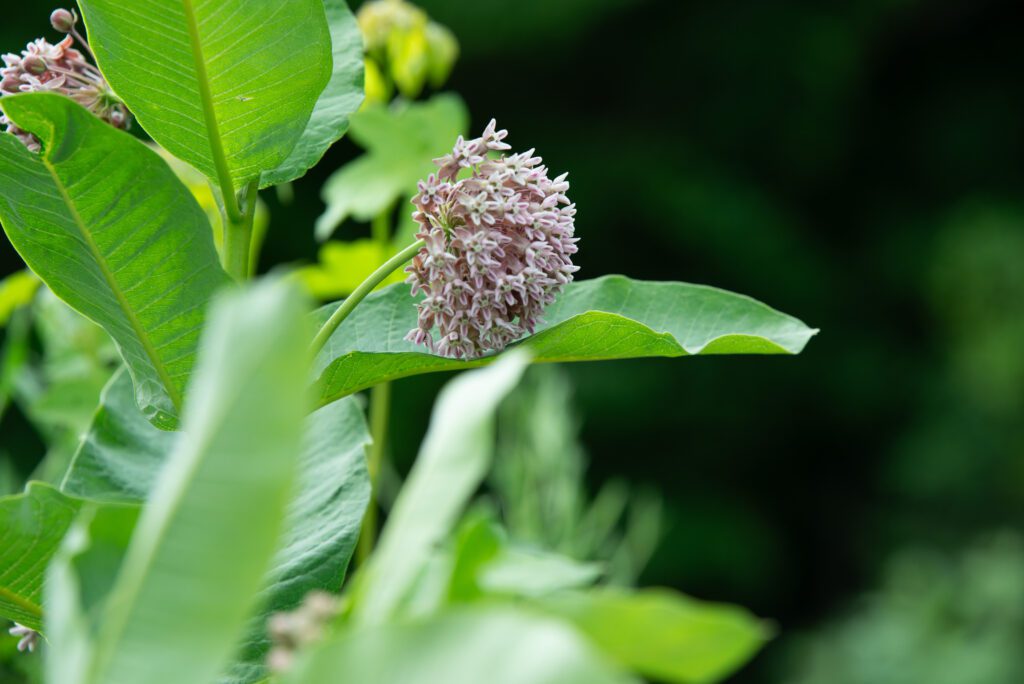
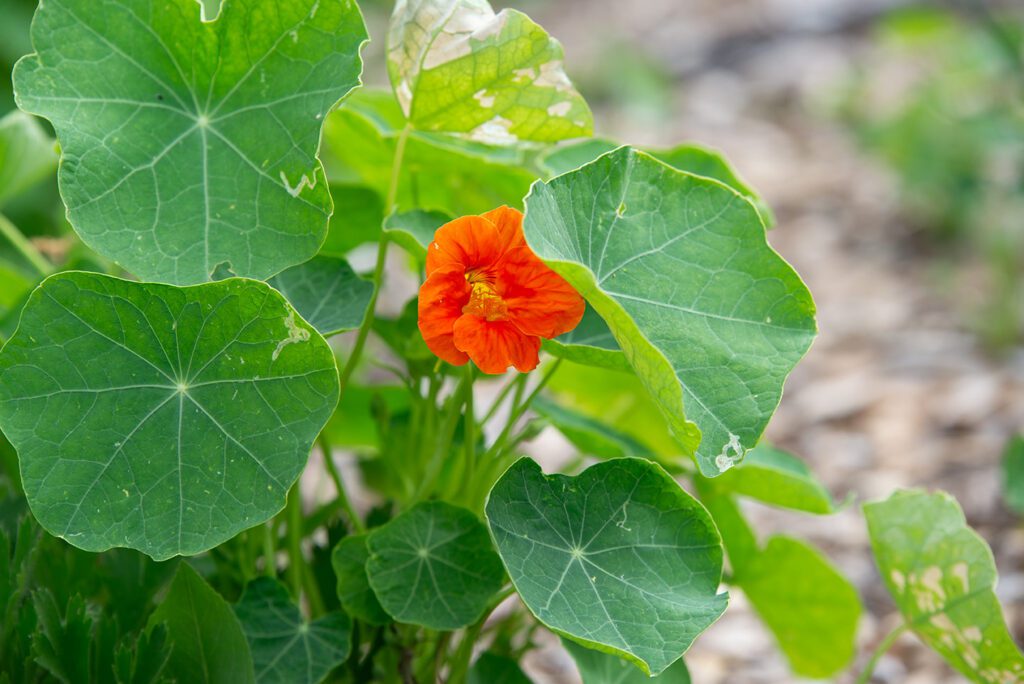
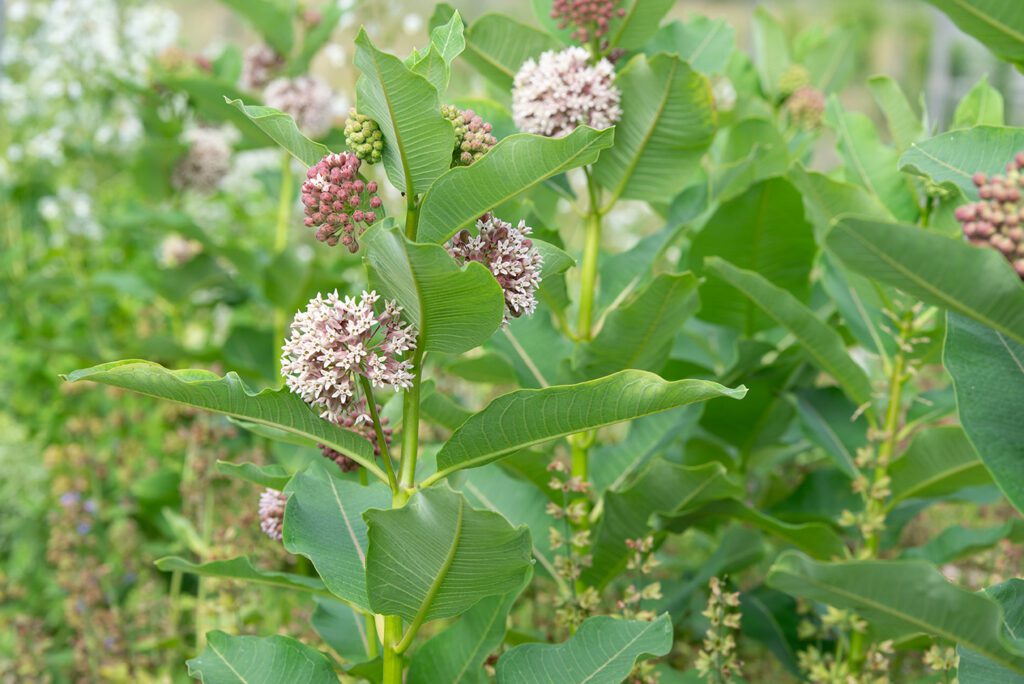
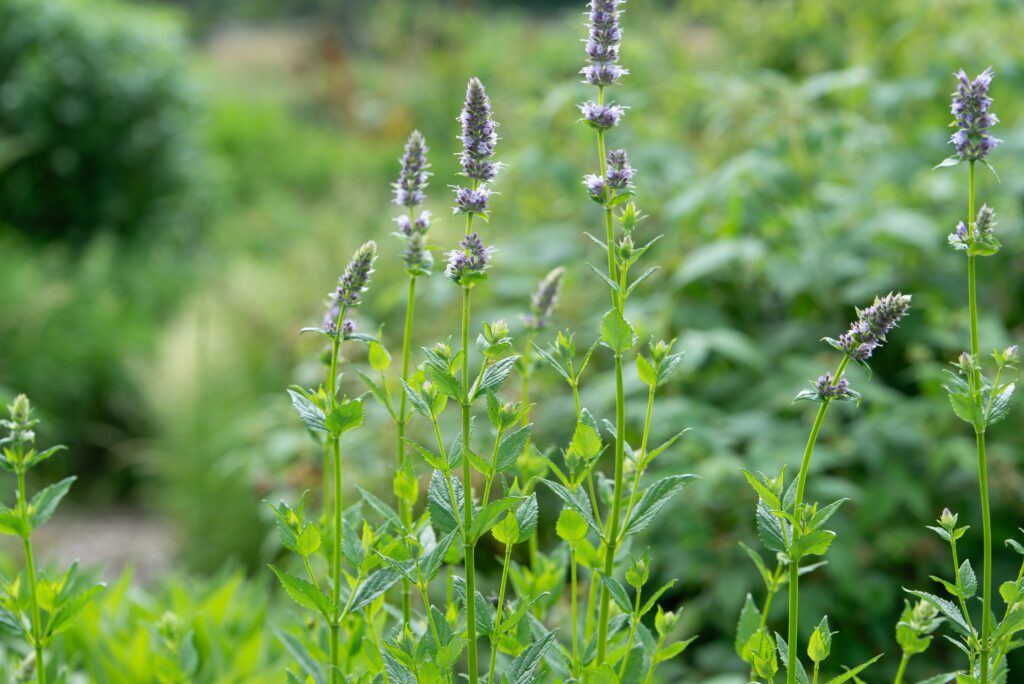
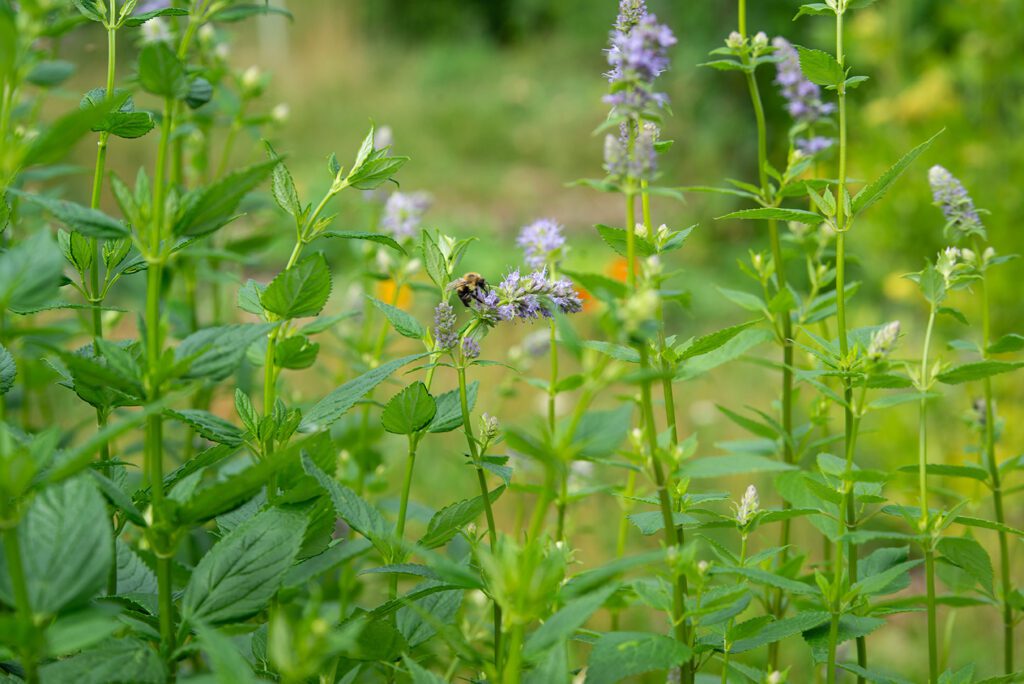
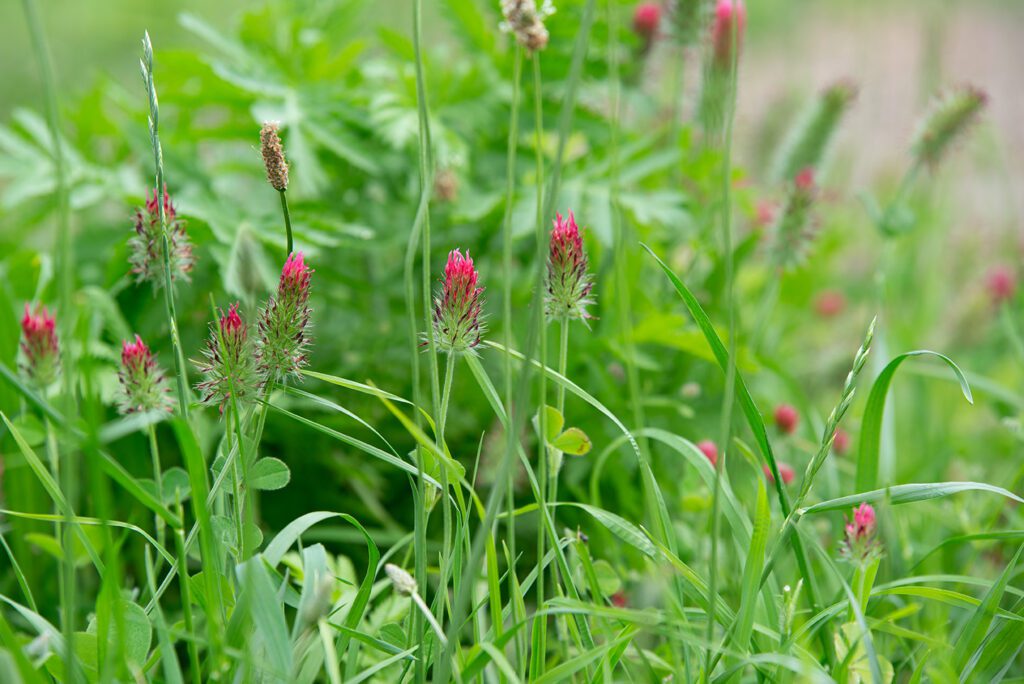
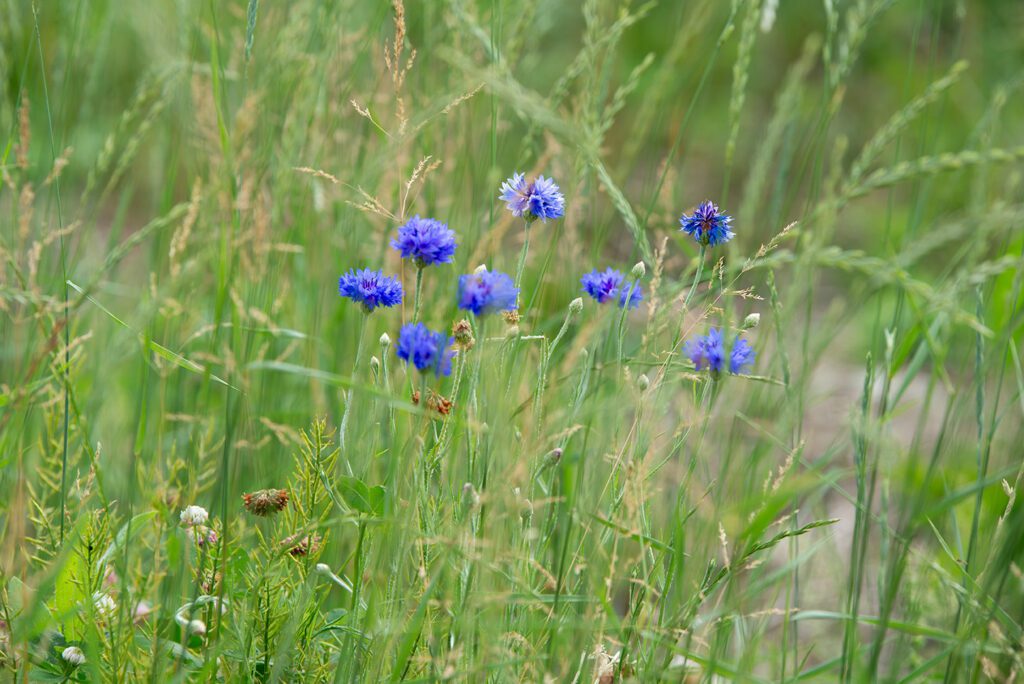
“We have engaged more than 1,500 visitors through on-site events,” Kotoun said, “and our tours are designed to emphasize information everyone could use to take action at home.”
Kotoun added that farm tours are designed for local community members who may be less acquainted with regenerative agriculture. The 2-hour guided tour around the site’s silvopastures, compost stations, livestock rotation fields, and companion planting grounds exemplifies the changes people can make to their own gardens and lawns at home to benefit the Narragansett Bay region.
“The methods we use on our farm root back to your own life and prompt you to rethink your daily habits to lead a more sustainable life,” said Grace Logan, education program assistant.
But many farmers don’t have the luxury of Ocean Hour Farm’s private funding, and in turn lack the means to offer an educational outlet for agribusiness, much less combat the federal funding cuts impacting the size and missions of their small farms.
“The cuts that have been happening to many federal programs are having a significant effect on our local food system,” said Ken Ayers, chief of the Division of Agriculture at the Rhode Island Department of Environmental Management, “and they are making it harder for small farmers to support their business and their local community.”
Ayers, who himself comes from a multigenerational farming family, emphasized the key role farm size plays in federal grants, which disproportionately benefit commercial farms over small or beginning operations.
In Rhode Island, according to the 2022 USDA Census of Agriculture, about 81% of farms are considered small-scale, with annual sales reported under $50,000 and farm acreage averaging under 10-12 acres.
If Rhode Island’s small farm sizes didn’t already place its agricultural economy at a disadvantage, the state also ranks first in the nation for the highest percentage of beginning farmers, with more than 40% of producers having 10 or fewer years of experience.
As of July, the USDA ended funding for its Regional Food Business Centers, which supported some 5,500 farms and agribusinesses under a $400 million initiative. The combination of young and small-scale farmers excludes many of these farms from federal funding amid these USDA cuts.
Ayers, who commented on the “dire conditions” of these small farms, has been a longtime proponent and committee chair for the Local Agricultural and Seafood Act (LASA), which “fills a niche that we thought wasn’t being fulfilled for small and beginning farms, farms that would not be typically eligible for grants or loans.”
Over the past 12 years, LASA has awarded about $3 million in grants to farms of up to $20,000 each, with the 2024 grant round alone distributing close to $500,000 for projects supporting the development of local agriculture and seafood markets and strengthening direct-to-consumer sales.
“When you eliminate the dollars that get distributed by the middleman, direct sales of food or agricultural products go to the farmer,” Ayers said, “and that works to keep small farms viable.”
While the LASA grant program plays an integral role in helping small farms and agribusinesses stay mission-driven without over-commercializing or losing local revenue streams, federal cuts to local food system programs continue to threaten not only farmers but also the communities they serve.
Nessa Richman, network director of the Rhode Island Food Policy Council (RIFPC), spoke to the rollbacks to both the Supplemental Nutrition Assistance Program (SNAP) and the Local Food Purchase Assistance (LFPA) program.
“The loss of federal funding is devastating, and things are only going to get worse in terms of deep, deep cuts to programs like SNAP, which will have a massive impact on low-income Rhode Islanders,” she said.
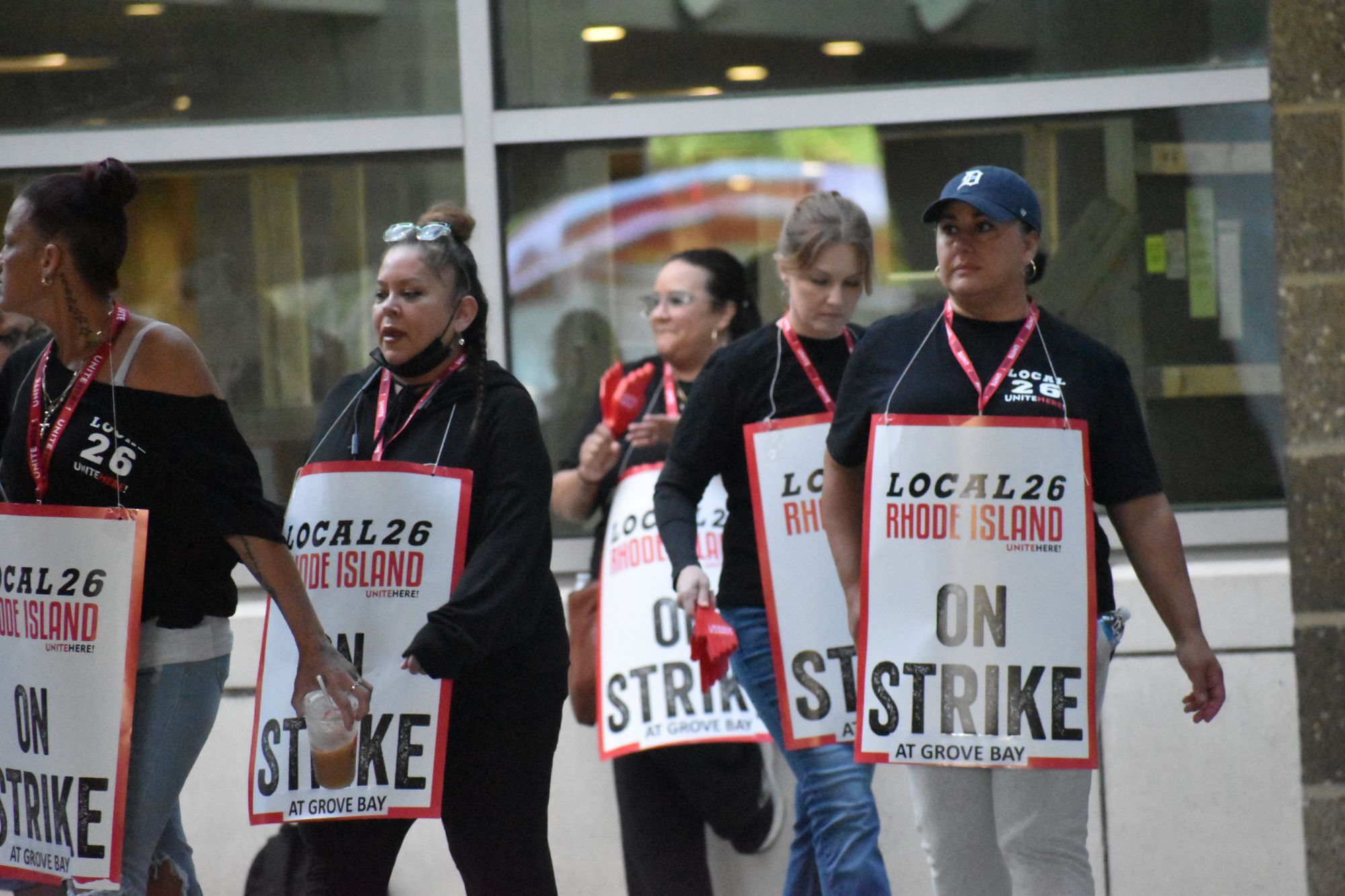
Richman learned in late July that the USDA was canceling the remainder of a three-year grant for beginning farmers and ranchers because of the grant’s focus on diversity, equity, and inclusion (DEI). The $738,000 grant was first awarded in September 2023 with the goal of building the strength and resilience of socially disadvantaged farmers and beginning farmers and ranchers by increasing their knowledge, skills, experience, and networks.
“In the first year of the grant alone, we and our sub-awardees helped 29 farmers acquire more than $400,000 in support, trained 82 farmers on business planning and marketing skills, and provided more than 300 hours of one-to-one coaching,” Richman said. “Although the grant was canceled mid-stream, RIFPC will continue to work toward small and beginning farmer success and viability in Rhode Island.”
The grant’s sub-awardees are The Carrot Project, Young Farmers Network of Southeastern New England, the African Alliance of Rhode Island, the Sankofa Initiative of West Elmwood Housing Development Corporation, the R.I. Association of Conservation Districts, and Farm Credit East.
According to a 2024 report by Farm Fresh Rhode Island, cuts to multiple USDA-funded programs, including LFPA and Local Food for Schools (LFS), amounted to nearly $3 million in lost funding for Rhode Island, directly affecting more than 100 small farms and local food businesses.
Both LFPA and LFS enabled schools, food banks, and emergency feeding systems to supply local produce and seafood, creating reliable markets for local producers and a healthy local food system. These programs specifically provided aid for low-wealth neighborhoods in Providence, Central Falls, Pawtucket, and Woonsocket, as well as food deserts in Washington and Bristol counties.
Amid these federal cuts, Richman and the RIFPC team have continued advancing their mission to promote a more equitable and accessible food system. Over the past few years, RIFPC has led the Food Business Development Program to connect underserved and underrepresented small farmers with the resources they need to grow, including business training, grant navigation, and technical assistance.
In partnership with Polaris MEP, a Rhode Island–based nonprofit that supports small manufacturers and agribusinesses, RIFPC launched the Farm Business Accelerator program, designed for owners of small agricultural and aquaculture businesses. The six-week series led by expert coaches helps early stage farms expand their markets, navigate legal and regulatory issues for specialty crop production, and access the capital needed to grow.
“Given the shifts within the economic and financial markets, people don’t always factor in small farms,” Richman said, “but we will continue working toward our mission.”
In addition to program-led support like RIFPC, farmers themselves have taken the initiative to support community-based agribusinesses and beginning farmers.
With dried-up private funding and limited state support, David DeFrancesco, manager of Shewatuck Farm in North Kingstown, saw the need for community-based support for small-scale agribusinesses. In 2017, he co-founded the nonprofit Rhode Island Farm Incubator (RIFI) to support beginning, landless farmers by offering affordable access to Shewatuck Farm land and infrastructure.
“We built this facility to support other growers who are practicing small-scale farming and food businesses,” DeFrancesco said. “We incur the cost so the growers don’t have to; we take over the overhead of finances so they can focus on production.”
Among RIFI’s growers is Charlotte Uwimpuhwe, a refugee from Rwanda who joined in 2018 to start her produce business, selling vegetables such as African garden eggplants, collard greens, hot peppers, and sweet potatoes at farmers markets.
“Charlotte didn’t have access to her own farmland with capital and loans,” DeFrancesco said, “so we spend our time as the administrators and directors to pave a more profitable, lucrative path for growers like her, so that they can have a farm.”
Also a part of RIFI is Jo-Anna Cassino, an herbalist and owner of Botanic Providence, who works to combine farming with education and agritourism by bringing in nursing students to the farm for introductory herbalism lessons and gardening classes.
“Jo-Anna is leveraging the location and space to further her business and ideas,” DeFrancesco said. “Anytime you can bring people onto the farm, people that want to learn and listen, that brings in support.”
The RIFI program relies heavily on USDA and EPA federal grants, state grants including LASA, and partnerships with DEM, but those financial pools have quickly dried up, according to DeFrancesco.
“We have a debt service to pay off now, and with private funding ending about a year ago, we have been the only support for our growers,” DeFrancesco said. “To maintain your business while keeping your mission intact has been a challenge, but we have created a space for young, brilliant people to innovate, learn, and get involved, and that keeps us going.”
“We’re not just restoring the land, we are equipping people who will care for it next. The future of farming in Rhode Island depends on what we teach, how we share, and who we include.”
— Hilary Kotoun, Ocean Hour Farm
Whether rooted in a mission to preserve the land and foster a regenerative agricultural system, like Ocean Hour Farm, or dedicated to sustaining small farming operations, like Rhode Island Farm Incubator, small farmers across Rhode Island have shifted, adapted, and worked to sustain agribusinesses for a future that renders support for the underrepresented and underfunded farming community.
Ocean Hour Farm took over the property of the old “Swiss Village” farm in Newport. It looks beautiful, but…
the owners, Eric and Wendy Schmidt (he’s the former CEO of Google) have extremely deep pockets and no farming experience. They are somehow promoting themselves as an organization for educating farmers. Ocean Hour Farm does not in any way reflect the reality of small farms in RI. Go out and talk to the real farmers who are struggling every day in our state. Go out and see the resourcefulness, inventiveness, creativity, and absolutely grueling hard work that goes into making a small farm productive and able to support the farmer. Yes, every small farm in RI struggles to make it work. Let’s hear from some of them.
Given the craziness ooming from Trump and climate, this work is critical.
Hey Greg, it was great talking to you recently at CARI 360’s Summer Panic on 7/12! I agree with you and so does the RI Office of Energy Resources who is now taking and processing applications for the $20,000 RI Agricultural Energy Grant. I help RI farmer’s apply for this and when stacked with the RI REF Grant and the 30% Federal tax credit the payback on the farmers roof or ground mount solar system and energy storage system pays back in a very short time. Please share my name and number with the farmers you know because I really want Rhode Island’s small farms survive for the next generation.