
Like Other Rural Towns, Hopkinton Mulls Zoning Changes to Spur Revenue Growth
But some residents worry that creating new "economic growth district" will diminish town's rural character
April 27, 2026
Share


HOPKINTON, R.I. — How do you revitalize a town with an aging population and slim pickings for development?
That issue was the topic of a joint Town Council and Planning Board 3½-hour hearing at Ashaway Elementary School last week, as the town weighs changes to zoning regulations and its comprehensive plan sought by a trio of private companies.
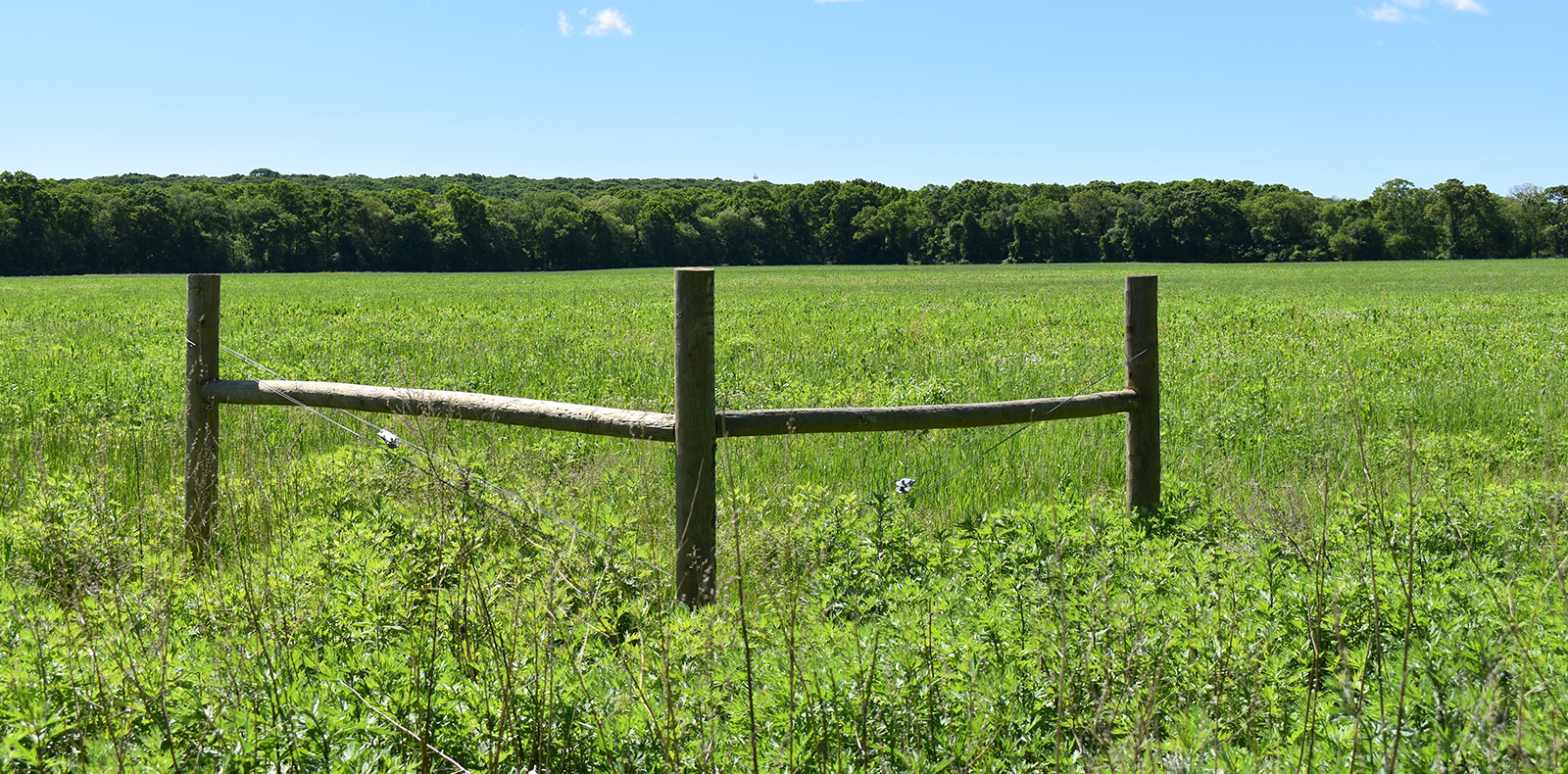
Warwick-based energy developer Revity Energy LLC owns a number of properties along Main and Frontier streets, close to Exit 1 off Interstate 95. The parcels are currently zoned as RFR-80, rural farming residential, a zoning designation under the town’s ordinance.
Revity Energy is petitioning the town to change the zoning of the properties, which are mostly open space, seeking the creation of an “economic growth district” that would greatly expand the permitted uses of the properties.
“The EGD is intended to expand the Town’s commercial tax base, bring additional jobs to the Town and region and encourage investment in new businesses and industries that strengthen the community’s long-term economic stability,” according to Revity Energy’s proposed amendment to the zoning ordinance.
The changes would allow several new categories of development along the Main Street corridor. The categories include light industrial, energy and environmental-related technologies, aerospace and marine vehicle facilities, defense and security equipment, and battery energy storage systems; all possible uses that are currently new to town.
“The proposed [amendments] … are very appropriate, because they clearly further the intent of the community to permit reasonable commercial and industrial growth in an area capable of accommodating said growth,” according to report on the changes prepared for Revity Energy by Pimentel Consulting Inc. “The locale in question is clearly appropriate for the respective mixture of land uses, given the character of the surrounding area and ability to properly buffer and screen future development.”
But while Revity Energy is proposing several new categories of development be allowed on company land, company vice president Ryan Palumbo stressed that it had no specific projects in development.
“We’ve run through different scenarios, but we have not started marketing this,” Palumbo said. “This approval would be the first step to put marketing together for outside businesses.”
Palumbo said the company has discussed garages, grocery stores, manufacturing sites, and telecommunication towers, among other proposals.
The proposed zone change has triggered a debate in Hopkinton that’s become common in Rhode Island’s rural communities. Towns such as Hopkinton, Foster, and Burrillville have traditionally shied away from the strip malls and subdivisions that are more common to the state’s more populated municipalities like Warwick and Cranston.
Some residents spoke against Revity Energy’s proposed changes at the recent meeting, expressing concerns over the effects on homeowners’ well water, threats to the town’s rural character, and environmental impacts.
Elizabeth Vars, speaking against the changes, told town officials that she and her husband live on High Street, across from a solar array that used to be a farm. Since the solar panels went in, said Vars, their property is “the only place wildlife had to go.”
“We have bald eagles, we have deer, we have everything,” Vars said. “The solar farms have ruined it for the wildlife. We don’t want this. I look at it and it makes me sick.”
Planning Board member Christina Bolek, speaking in support of Revity Energy’s proposal, said the town had to do something to spur development while keeping the town’s rural character, otherwise property taxes were going to keep going up without new development.
“The rural character of the town has to be protected, and the way to do that is to control the growth,” Bolek said. “You can’t shun growth. This is a way to protect the rural character of the town in a very small, compact area.”
The common refrain in communities has been to emphasize the importance of keeping a town’s “rural character.” But state affordable housing mandates, as well as the need to grow tax revenue amid a dominant cohort of aging homeowners, has spurred some towns, such as Hopkinton, to consider wider development districts.
In 2023, Foster debated changing the zoning status of 55 plots to a more development-friendly designation called Highway Commercial 2. Newer housing developments in Burrillville meant in 2024 the town dipped under the 10% affordable housing mandate, triggering a debate on how to manage the rural character of the town with its growing housing needs.
Municipalities across Rhode Island are also feeling the pinch of higher costs, as school districts, police departments, and other municipal costs rise. The main revenue-raiser municipalities can rely on are property taxes, and without growing the pool of taxpayers, they have to raise taxes on the current ones.
Town Council Vice President Bob Burns noted the developer had axed everything from Revity’s proposal that had met with public outcry, including a provision that could allow a data center. A self-professed outdoorsman, Burns said that while he loved the open space, the town needed to act to keep people employed and in town.
“Your chance at a second bite at the apple is when every individual project goes before the Planning Board,” Burns said. “If you don’t like the individual project, speak before the Planning Board.”
Town officials continued the zoning ordinance hearing to the next Town Council meeting on May 4.
Categories
Join the Discussion
View CommentsRecent Comments
Leave a Reply

Your support keeps our reporters on the environmental beat.
Reader support is at the core of our nonprofit news model. Together, we can keep the environment in the headlines.
“The rural character of the town has to be protected, and the way to do that is to control growth,” Bolek said. “You can’t shun growth.”
Really? Then why prevent affordable housing that could add to the tax base and bring new life to the town?
You know who helps a town’s character? Residents—people who work, save, and buy homes. Maybe they build families and put down roots. And yes, they pay taxes.
They might have children, and we’ll invest in their education—but those same families help sustain the town. They stay, contribute, and continue paying taxes. Their homes increase in value, strengthening the community over time.
This town seems to be turning pro-industrial and anti-family. Eventually, those trying to “keep Hopkinton rural” may find themselves looking out their windows not at affordable homes, but at solar fields, industrial buildings, and cell towers.
But I guess that’s okay—because we “stopped the growth.”
sounds like another advance of anywhereville sprawlville and whether for housing or commercial crap bye bye natural areas, bye bye birds and wildlife, bye bye woodlands – Hopkinton should look at Smithfield to see what happens when they go down that road of seeking development, even North Providence was once rural but wanted development to build tax base
The defense industries are the least useful thing to allow. Very few jobs, just new and better ways to kill. Solar should go on every rooftop that is appropriate and should cover every parking lot, not farms or woodlands.
Revity may have axed data centers from its proposal (for now), but the fact that data centers were part of the original proposal tells us that pressure to put data centers in Hopkinton is increasing. Hopkinton needs to enact a moratorium on data centers now or everyone’s water resources and clean air are at risk. We were fooled once by the solar developers who promised tax revenue then lobbied our governor to exempt land under solar fields from town taxes. Now our beautiful town is scarred with acres of solar farms where once there were forests and natural habitat for wildlife and no tax revenue in sight.
Very well said! You are 100 percent correct that by allowing industrial uses and bringing back commercial solar after residents fought hard to end it, keeps the door open for data centers and other uses that do not belong over a sole source aquifer in residential zones. Scary.