
Brown Study Finds Decrease in Diamondback Terrapins’ Genetic Diversity
Lower genetic diversity an indicator of dwindling populations and can forebode future poor outcomes
October 13, 2025
Share


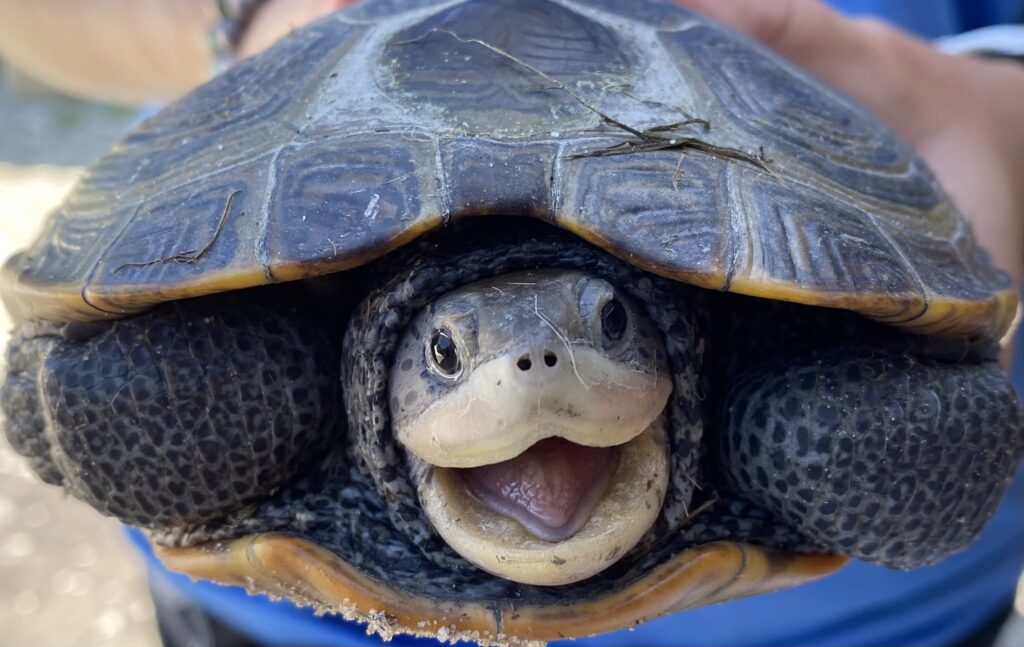
A study recently released by Brown University used DNA analysis to show that local diamondback terrapins could face a difficult future.
Rhode Island is the only state to designate the turtles, a species of terrapin native to the brackish coastal tidal marshes of the East Coast, as an endangered species. The small turtles have seen dwindling numbers as humans destroyed or modified their habitat or overharvested them to keep them as pets, use their shells, or even make them into turtle soup. Males reach a maximum shell length of 5.5 inches, while females can grow up to 11 inches.
The study examined terrapin populations up and down the East Coast, and found their genetic diversity decreased as populations moved to higher latitudes, according to Tyler Kartzinel, an associate professor of conservation biology, who oversaw the research and co-authored the study.
This means a population of the terrapins in New Jersey has a higher level of genetic diversity than a population in Rhode Island or even farther north around Cape Cod.
During the pandemic, Kartzinel’s former student Amanda Lyons — the lead author on the study — worked with the Rhode Island Department of Environmental Management and other groups outside Rhode Island to collect the DNA samples from more than 100 turtles.
Then, using genomic sequencing technology, they were able to look at the terrapins’ chromosomes to see “on average, how many individuals in this population are as closely related as brothers and sisters or cousins, or further than that,” Kartzinel said.
Lower genetic diversity is an indicator of dwindling populations and can forebode future poor outcomes for populations, who could suffer from poor genetic mutations associated with inbreeding.
“Genetic diversity is an important measure that scientists often pay attention to because that’s the foundation of evolution,” Kartzinel said. “When things change, we need genetic variation to evolve.”
Likely the smaller populations and thus lower genetic diversity in the northern populations are due in part to the high level of change imposed on the terrapins’ environment through processes such as development and damming.
“The only way that nature has to counteract that history, to regain some of the genetic diversity that used to be here, that has probably been lost, is for new turtles to arrive in those populations,” he said. “And that hasn’t been happening at a rate required to counter those historic losses … that could be because there isn’t enough good habitat for turtles to swim, truly, you know, back and forth, up and down the coast, as maybe they once did.”
Kartzinel described it as a sort of “double whammy” for the local terrapins, because the lack of good habitat likely drove northern populations down to begin with and now contributes to them staying so isolated.
Although the situation sounds worrisome for the terrapins, Kartzinel said there are ways out of the problem.
“I think that we should be fairly clear that a short-term history of inbreeding or small population, that does not doom populations to any of the sort of dire predictions,” he said. “It doesn’t mean that they’re genetically unfit or unadaptive or unable to respond to change. But what we can also say, based on lots of evidence, is that the more severe the inbreeding history becomes, and the longer it persists, the greater those risks become.”
He said the diamondback terrapins could be at a transitional point and in need of some intervention to help them through, which Kartzinel is also thinking about.
Kartzinel’s genetics lab sits within Brown University’s Institute for Environment and Society, which he said gives him the opportunity to work in an interdisciplinary way, to apply the science to real-world problems.
“I don’t just work with a bunch of scientists on many little experiments,” he said. “I’m always thinking about ways to take the science we do and connect it with partners out there in positions to drive change and make improvement.”
Kartzinel said he hopes the study can be a part of the conversation around making diamondback terrapins a federally recognized endangered species, which would afford more protections for the species in Rhode Island and up and down the Atlantic Coast.
Likewise, although state conservationists and officials are trying to preserve and protect terrapin habitat, he wants them to be able to use the study to see that finding ways to link separate populations is also important.
“It’s not enough for Rhode Island to make its own independent decisions, as if the Rhode Island terrapins exist in a vacuum,” he said. “There needs to be regional coherence in thinking about where and how to reconnect those populations.”
Documentary filmed in Barrington by URI filmmaker Jason Jaacks:
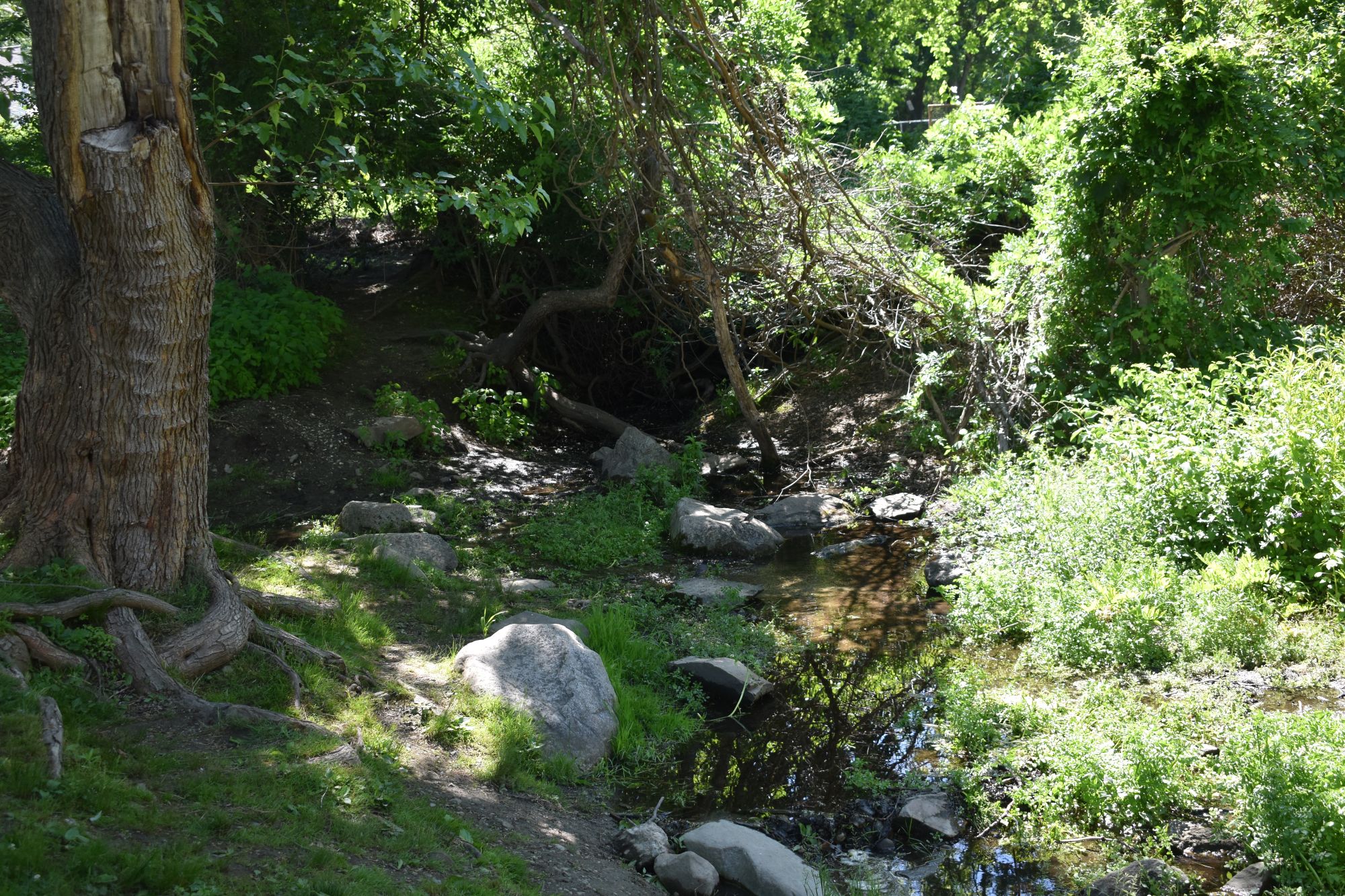
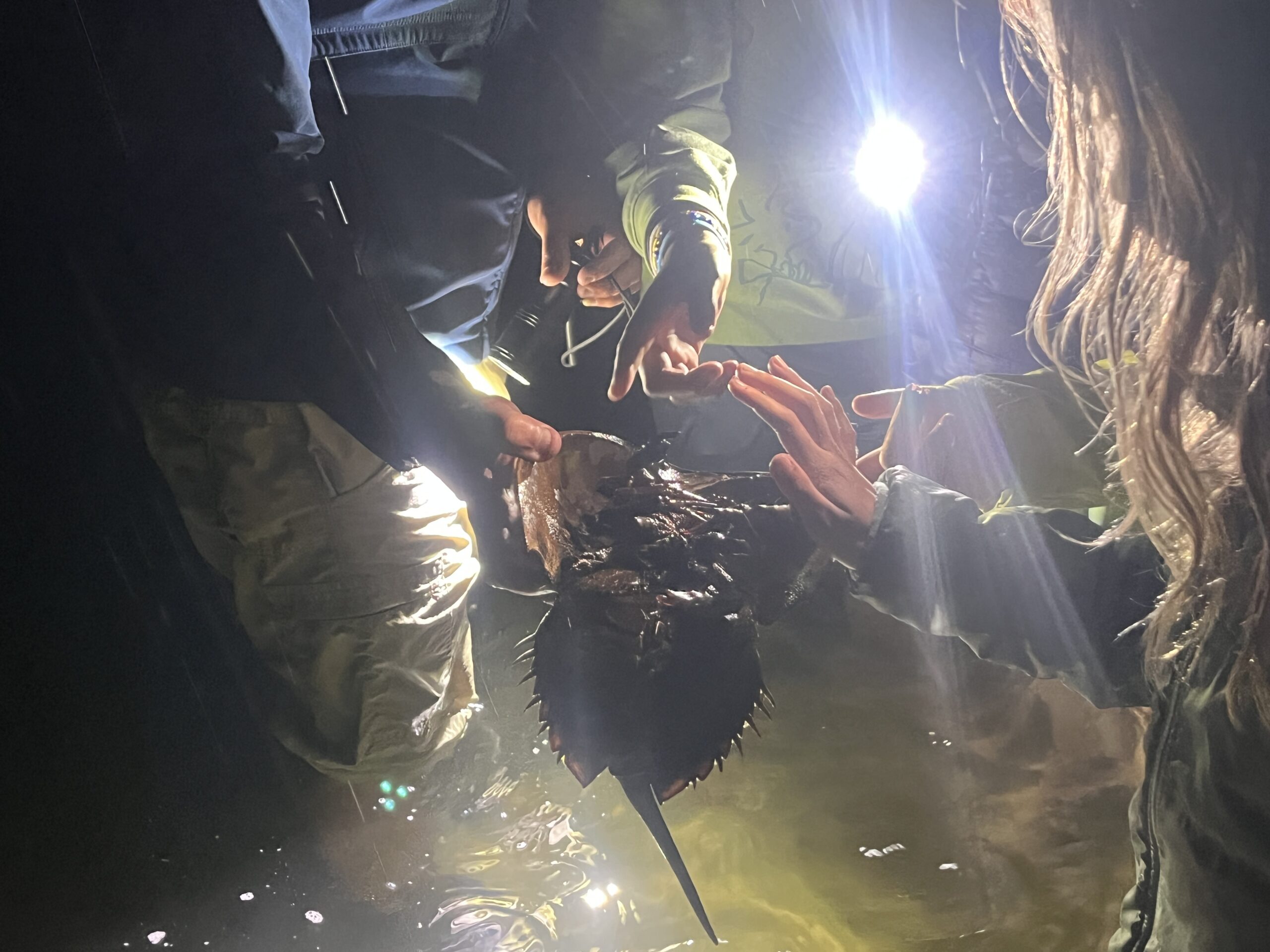
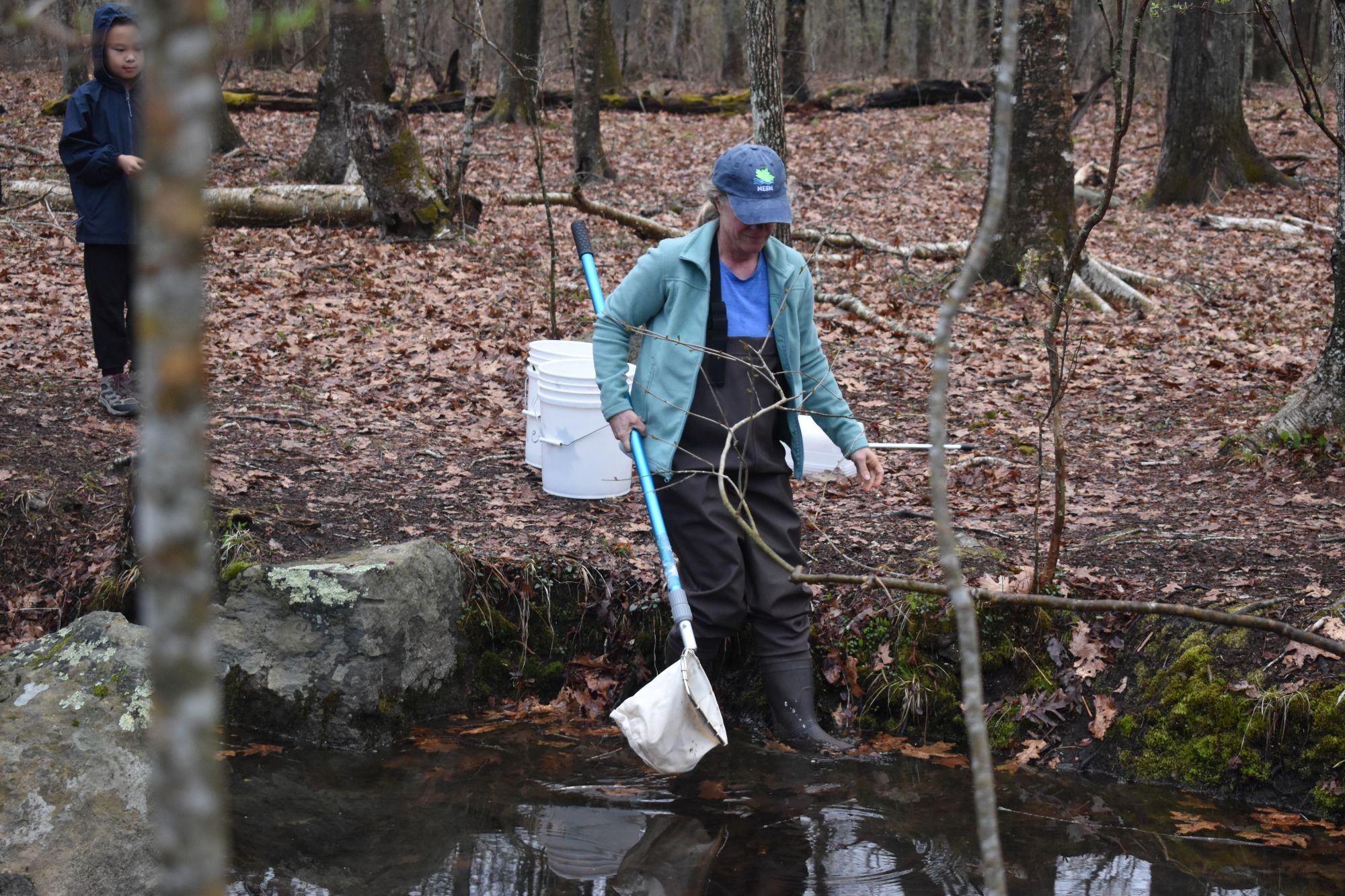
TURTLES ON THE HILL is a love story about a population of rare turtles, the dedicated community conservation group, and the changing coastal landscapes that they share. Over one year in a suburban Rhode Island wildlife refuge, a young woman scientist joins this community to reveal how—despite the existential threats of coastal development, predation, and sea level rise—the lives of the people, the diamondback terrapins, and the estuary are inextricably intertwined.
https://carolyndecker.com/watch-turtles-on-the-hill-short-film/