
New Regulations Governing Mashapaug Pond Watershed Explained
August 4, 2025
Share


PROVIDENCE — Details are emerging about a new permit to curb the polluted stormwater flowing into Mashapaug Pond, with environmental officials eyeing an official launch later this year.
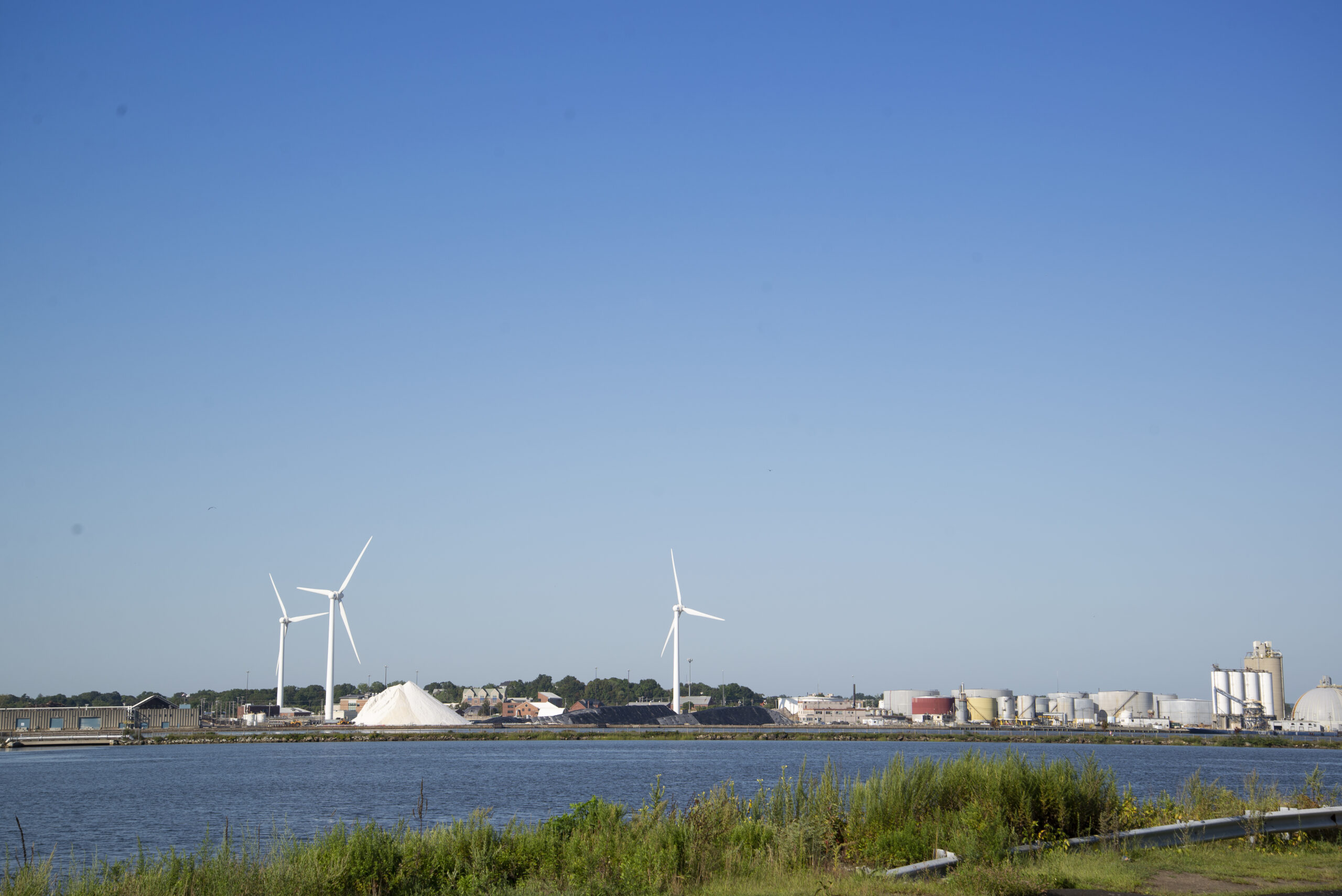
Known as the Mashapaug General Permit, the new regulations will apply to 67 properties around Mashapaug, Spectacle, and Tongue ponds and the surrounding 1.8-square-mile watershed.
Any property owner identified within the watershed with one or more acres of impervious surface — think parking lots, roofs, and other infrastructure that prevents rainwater from absorbing into the ground — will be required to improve its pollution and stormwater controls to treat runoff before it enters any of the ponds. Sixty-one percent of the watershed is covered by impervious surfaces, and 83% of the land has residential, commercial, or transportation uses. The watershed straddles the cities of Providence and Cranston.
Officials from the Rhode Island Department of Environmental Management recently rolled out a draft version of the permit to stakeholders, soliciting feedback and fielding questions from businesses and the public within the watershed at two workshops.
Jennifer Stout, an environmental engineer in DEM’s Water Resources office, told stakeholders during Wednesday’s workshop the goal was for property owners to minimize exposure of pollutants to stormwater.
“If you have any materials that you store outside, you should cover them or bring them indoors,” Stout said. “If you have a dumpster, make sure that it’s covered, and if you know where it is located, make sure it isn’t somewhere where the leachate is able to go into a catch basin. You might want to minimize the amount of salt, sand, and deicers that are used on your property during the winter months, limit the amount of fertilizer and pesticide use, make sure you’re cleaning up your waste appropriately.”
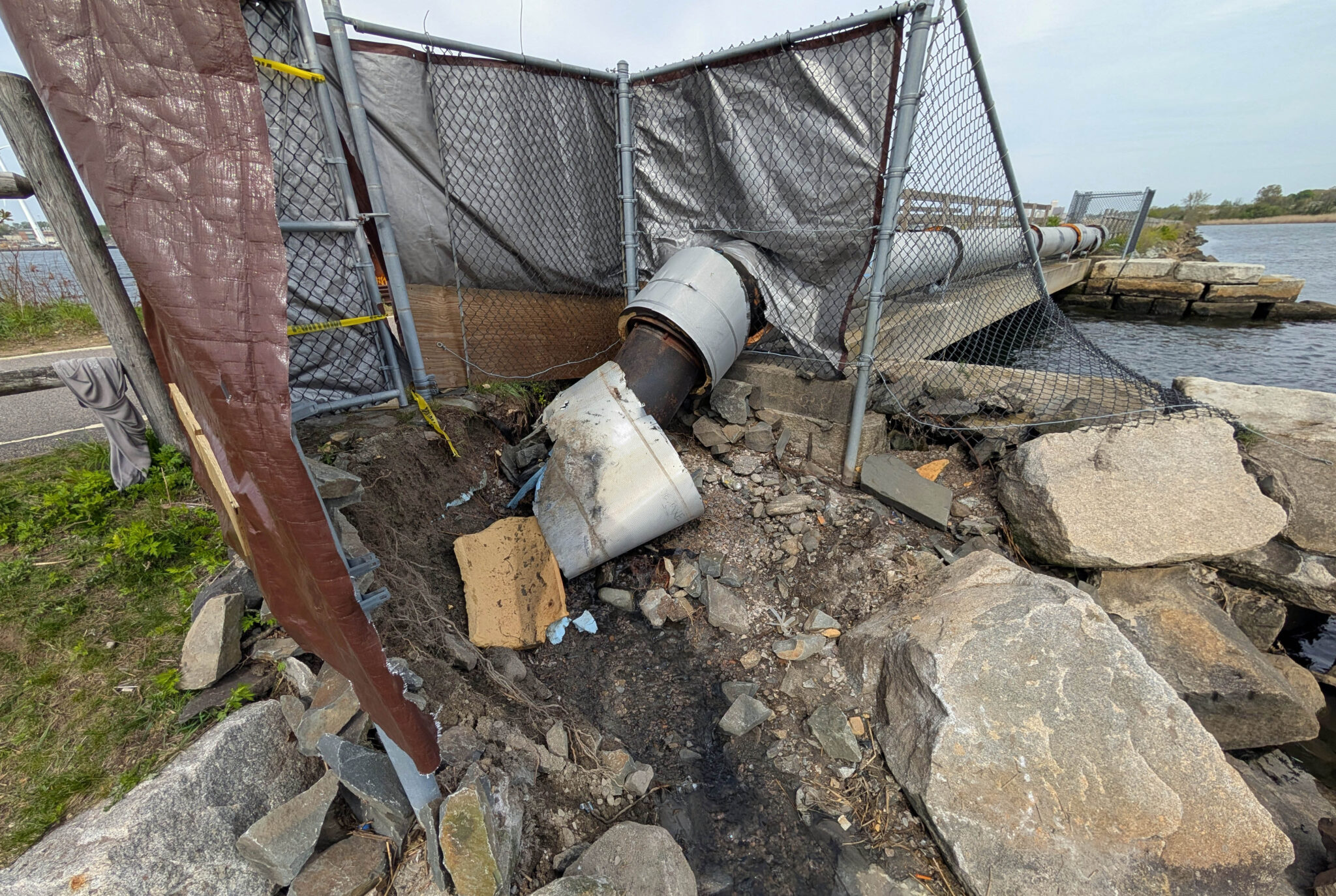
Unchecked stormwater runoff will pick up and wash away anything between it and Narragansett Bay. During and after rains, runoff will pick up dirt, lawn chemicals, pet waste, litter, and/or sediment and carry it directly into whatever stream, river, or pond is close by.
Those substances and chemicals will overload waterbodies with nutrients, such as phosphorus and nitrogen, that have direct water quality impacts on ponds and streams around the state. The new permit aims to reduce the amount of phosphorus in the local runoff around Mashapaug Pond.
Excess phosphorus in ponds can lead to algal blooms such as cyanobacteria, which is toxic to the touch for humans, pets, and wildlife. DEM, in tandem with the Department of Health, issued 20 no-contact advisories on ponds within the Mashapaug watershed between 2011 and 2024.
The watershed, which is in a DEM-labeled environmental justice area, has been primarily unusable to its surrounding residents under the Clean Water Act, which mandates that federal and state waters be fishable and swimmable. Thanks partly to phosphorus, Mashapaug and Spectacle ponds have been listed on the state’s impaired waters list since 1988, with little state action to remediate the situation.
It’s not the only hazard in the watershed. The Dr. Jorge Alvarez High School, which sits on the eastern banks of Mashapaug Pond, is built on top of a former silver manufacturing site, Gorham Silver Manufacturing, which until 1985 contaminated the land with chemical solvents that don’t break down naturally in the environment.
Preventative measures are only one part of DEM’s expectations for the new permit, according to Stout. Property owners going forward will be expected to collect leaf litter to tamp down nutrient loads flowing into the watershed, and sweep and clean catch basins in the spring after snowmelt to collect as much sediment as possible.
Property owners will have to file a stormwater management plan, and an annual report summarizing the actions of the previous year by Feb. 15, with additional reporting requirements expected of properties with greater than 1 acre of impervious cover.
“You’ve got to, by the end of this first permit term, you’re going to need to show us that you are reducing your phosphorus load by 30% of your responsible target,” Stout said.
Violations or noncompliance with the permit carry financial penalties of up to $25,000 a day, or not more than five years in prison. Applications for the permit will cost $400, the same flat rate as other DEM general permits.
Formal public notice for the Mashapaug General Permit is expected to open later this year.
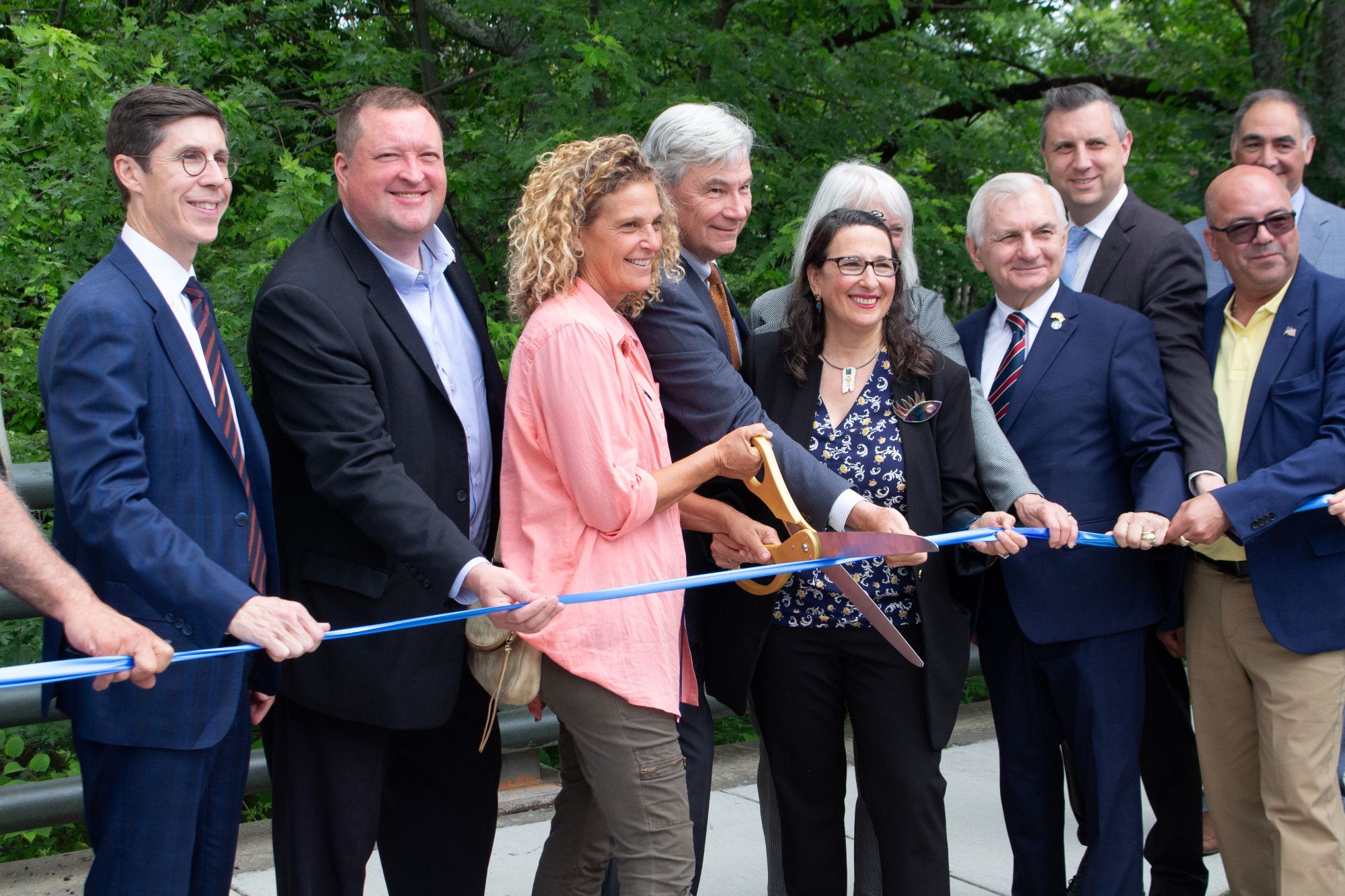
The permit is just the latest regulatory tool DEM is using to reduce stormwater flowing into waterbodies unabated. DEM director Terry Gray, with Rhode Island Attorney General Peter Neronha, first announced in January 2024 the department was using its residual designation authority under the Clean Water Act to impose new runoff requirements on property owners in the watershed’s area.
The announcement came years after the Conservation Law Foundation filed a petition in 2018 asking DEM to use its residual designation authority to regulate stormwater around the ponds. The attorney general’s office filed a similar petition just before the 2024 announcement of the new permit, asking the department to close the stormwater permitting gap and address runoff pollution flowing into the Mashapaug Pond watershed.
“One focus of the petition was to drive change in an environmental justice community, which already faces significantly elevated environmental and health burdens,” said Brian Lafaille, an environmental engineer and supervisor within DEM’s municipal stormwater program.
I hope the DEM goes further with this initiative, to inform waterfront condo and apartment associations of their responsibilities and liabilities. Dense weed areas around their run-off drains are visual proof of years of neglect.
Spectacle pond has changed so much since the 60’s. As a kid, my father and I would fish off of Marlboro st. There were hugh Carp, small bass and lots of sunfish. We caught and released them. I went there to see the location recently. Much of that area in now houses and it appears the pond has been back filled quite a bit. The island is much closer to the shore. I noticed there’s a fountain spraying water into the air to help aerate the water. I also used to catch frogs and snapping turtles where the baseball field is now. That was once a swamp. As kids many of us enjoyed the pond not aware of Blue green algae. I did not see any evidence of that now. I did see some kayaks in people’s back yards though. I’m happy to see that you are trying to clean up that pond. BTW, it was common practice to put furniture, beds and other “junk” on the ice in the winter and, it disappeared to the bottom of the pond when the ice melted. Good luck,
It’s about time!
While 60 percent impervious surface is probably too big of a hurdle to ever make these waterbodies “swimmable”,
RIDEM needs to do more of this for all receiving waters across the state.
It’s ironic that the state of RI is making a move to finally enforce the “clean water act” almost 50 years after it’s promulgation and probably on the eve of it’s dismantling. Can’t even make this stuff up.
RIDEM definitely needs to work on a water withdrawal / water use policy as well.
Large agency with many responsibilities but that is no excuse for inaction.