Some Snail Populations Slowly Being Removed from Local Landscape
February 10, 2025
Share


Series note: The region’s collection of native species is under threat on several fronts, most notably from humanity’s shortsightedness. Humans aren’t giving the natural world the space it needs and deserves. We’re crowding out nonhuman life, which, in turn, makes nature less productive and us less healthy. Wild New England examines the animals and insects most at risk.
Snails are often maligned and largely misunderstood, mainly because a few of these gastropods can cause damage to gardens and crops. But as with all creatures, great and small, they are an important part of many ecosystems.
Snails, as well as slugs, are the natural world’s cleanup crew and recyclers. They, like many non-synanthropic species, face significant threats to their existence.
Nearly 1,100 mollusk species are listed as either endangered or critically endangered. Gastropods are the most species diverse group in the phylum Mollusca. Estimates range from between 40,000 and 100,000 gastropods, making Mollusca the most species diverse phylum on the planet after arthropods, most of which are insects.
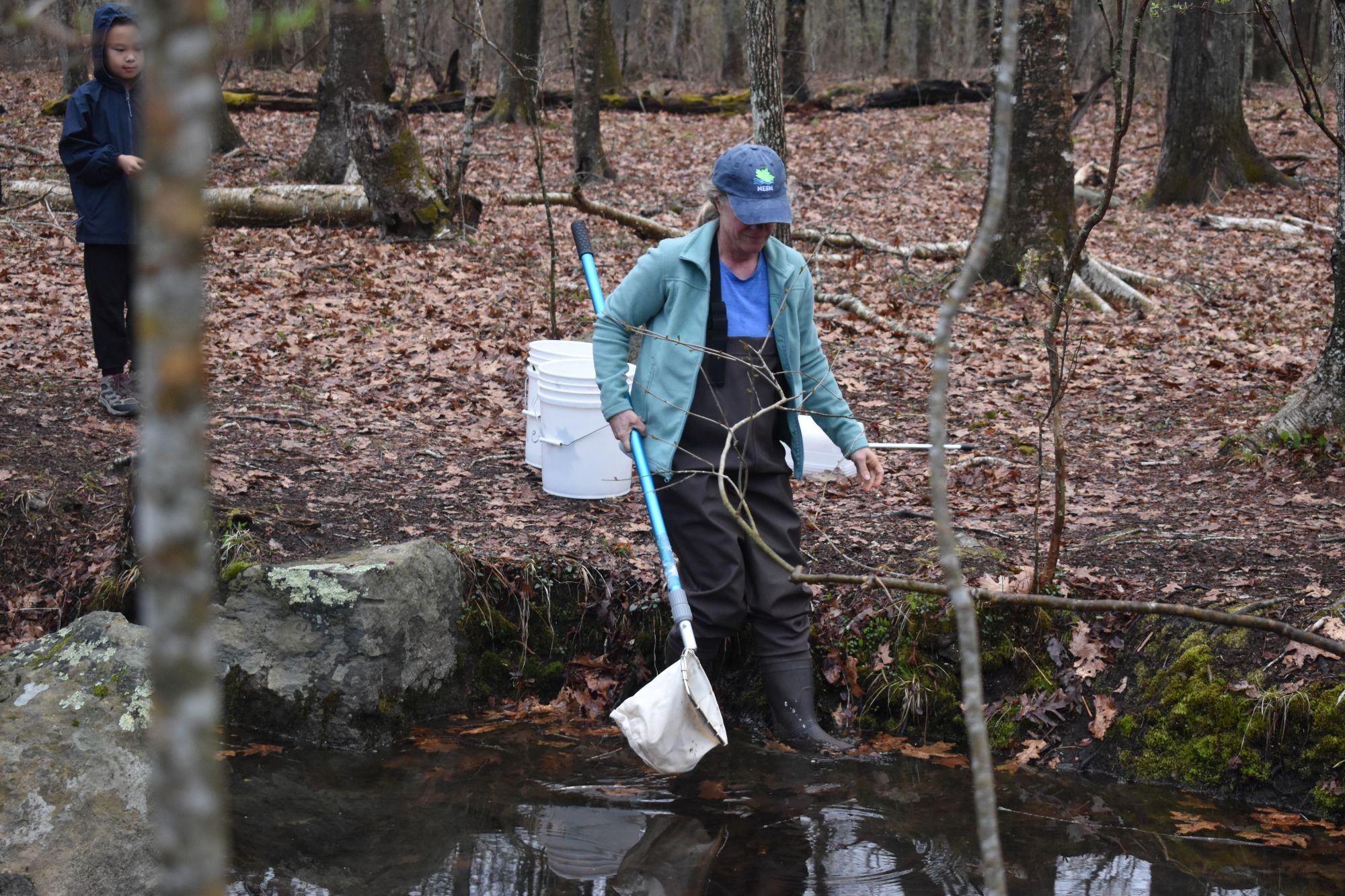
“Snails don’t get as much attention as mussels, but they’re probably the most imperiled freshwater group of animals in North America,” said Jason Carmignani, aquatic ecologist for the Massachusetts Division of Fisheries & Wildlife’s Natural Heritage & Endangered Species Program. “They’re very sensitive to changes in water quality.”
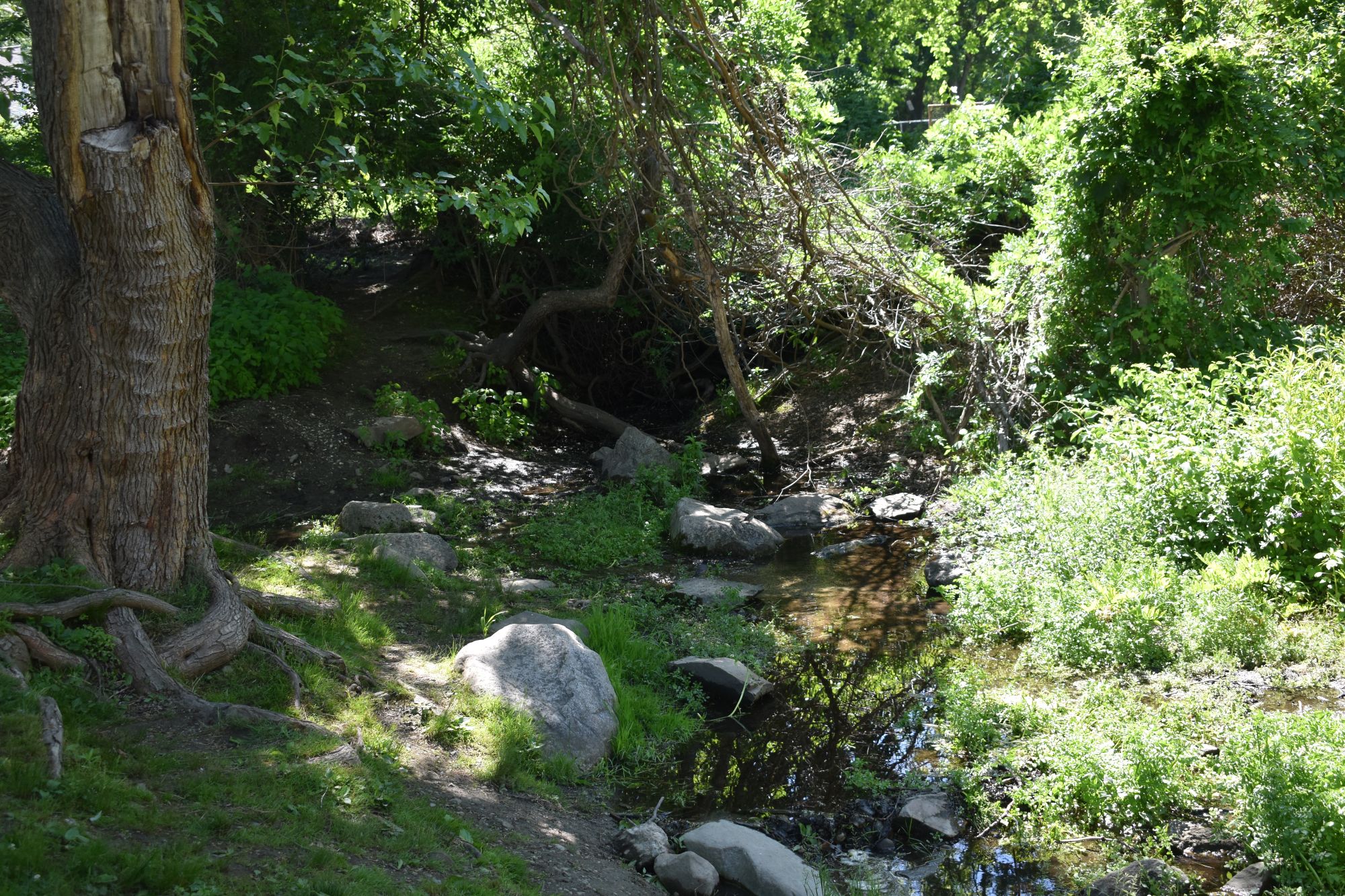
He noted snails can be found in different habitats, such as streams and rivers, but their diversity is mostly in lakes and ponds.
“They’re filter feeding, they’re grazing algae, and they have a really significant role in food webs,” Carmignani said.
Unlike birds, bats, and many insects, snails can’t fly — or, for that matter, even run — away as their living conditions deteriorate. The climate crisis and habitat fragmentation keep them isolated in dwindling pockets that are surrounded by hardened human environments, driving them, and other many other species, into extinction.
While the number of threatened species is increasing worldwide and critically endangered Sumatran orangutans or Sunda tigers receive much of the attention, the number of threatened mammals hasn’t been rising as fast as in other animal classes.
From 2007 to 2020, the number of endangered reptiles increased by 336%, endangered insects by 276%, endangered fish by 196%, and the number of endangered molluscs — a class that includes snails, slugs, mussels, squid, and worms — rose by 145%.
The following is a look at the freshwater snails in southern New England listed as species of concern, threatened or endangered:

Boreal marstonia: Listed as endangered in Massachusetts. This small snail has a translucent shell with a light greenish or brownish color. The spiral shell is conical and thin, 3-5 millimeters high, and has 4.5-6 whorls.
This species is one of the rarest snails in its subclass Prosobranchia. In Massachusetts, the population is limited to one lake, and its being threatened by various human activities, such as lakeshore development, aquatic plant mowing, herbicide treatment, and water level drawdowns.
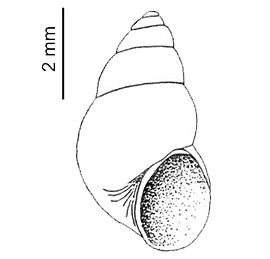
Henscomb hydrobe: Listed as a species of concern in Massachusetts. The shell appears glossy and light brown or olivaceous in color with nearly five relatively flat-sided whorls. In Massachusetts, the species is known from two localities, in coastal fresh and brackish waters, confined to the North Shore where development pressures are high. Adults are found in summer and probably live 2-3 years.
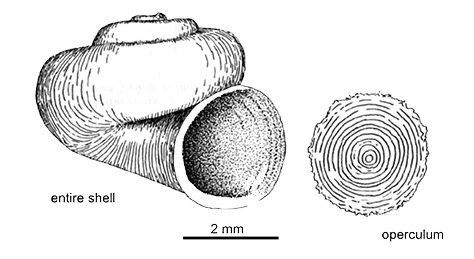
Mossy valvata: Listed as endangered in Massachusetts. This snail in the family Valvatidae has a shell that measures up to 5 millimeters in diameter. The shell has no distinctive characteristics, and is yellowish-brown in color with a low spire.
Populations of the species in Massachusetts are limited to only a few sites, each threatened by surrounding development. Its presence in the Bay State likely represents a glacial relict situation — a few populations left behind as the animal dispersed northward following glacial retreat.
Shoreline development, water level draw-downs, lake draining, increased nutrient input, and herbicides are potential threats to this species.
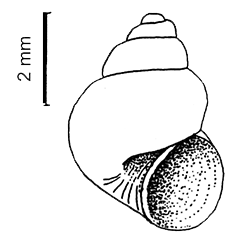
New England siltsnail: Listed as a species of concern in Massachusetts. The average size for adults is 4.8 millimeters long and 3.1 millimeters in diameter. Like all snails of the subclass Prosobranchia, this species has a hardened circular structure, known as an operculum, which acts as a trap door at the shell opening.
This snail is known from five localities in Massachusetts that are confined to the North Shore, where development pressure is high. It is distributed in coastal waters from northern Massachusetts to mid-Maine.
The areas where these snails have been found are not big, but their populations are often dense.

Slender walker: Listed as endangered in Massachusetts. This amphibious snail can be found on land and in fresh water. It has an elongated conical shell reaching nearly 8 millimeters in length.
In Massachusetts, this species has been found in the low, moist bordering floodplain of Schenob Brook, a slow-flowing, calcareous waterbody. Sensitive fern dominates the area where snail colonies are found. They are rarely encountered.
Their life span is about 2 and a half years, and there are two reproductive periods
between mid-March and October.
Freshwater snails and their habitats are best protected by safeguarding water quality. If you live next to a waterbody, preserve or create a native vegetation buffer zone along its border. Don’t use herbicides, pesticides, and fertilizers on your lawn. Replace lawn with native plants, shrubs, and trees.
Note: Some of the species listed in each state overlap, and how often the lists are updated varies — the Rhode Island list was last updated in March 2006, Massachusetts last August, and Connecticut in January 2023. For species listed as state historical — essentially extirpated — in Rhode Island, they were included in the endangered category.