
No Air-Conditioning? These Rhode Island Resources Might Help
July 13, 2026
Share


WARWICK, R.I. — Census Bureau data shows that about 92% of Rhode Island households have air-conditioning. But as temperatures climb, having an air conditioner doesn’t necessarily mean you can afford to use it.
Recent reporting has highlighted different sides of that reality: inaccurate lists of places to cool off that included some places people might avoid; and the growing financial strain of extreme heat.
United Way 211 is seeing that firsthand. Between May 1 and June 30, 2025, the hotline received 1,184 requests for utility assistance. During the same period this year, the total number climbed to 5,747, according to spokesperson Michael Cerio.
Those figures capture only part of the story. They reflect households seeking help paying utility bills, not the estimated 8% of households that are seeking cooling, according to the Census data.
United Way couldn’t provide data on how many callers were seeking air conditioners. But people without cooling are still encouraged to call 211.
While funding to provide air-conditioning units is scarce, specialists can connect residents with available resources and identify other forms of assistance that might help ease financial burdens.
Michelle Taylor, vice president of Community Care Alliance Social Health Services, told ecoRI News that funding that once helped provide air conditioners has disappeared.
“Although we understand that excessive heat can be very dangerous to vulnerable individuals and those living in poverty are more at risk, we cannot rely on resources to help people navigate this risk,” Taylor wrote in an email.
Instead, organizations are relying on donations and creativity. At East Bay Community Action Program, Judith Kelley, the weatherization supervisor, said donated air conditioners often arrive through neighborhood social media groups.
When no donated units are available, she looks for other solutions, such as connecting residents with municipal assistance programs or searching for resources that fit a family’s particular housing situation, like finding central air-conditioning.
For many households, the East Bay agency can replace older, inefficient air conditioners through its Low Income Home Energy Assistance Program or Rhode Island Energy’s low-income residential rate, also known as A-60.
Kelly added that donated items are available at the time they are donated, though they are distributed on a first-come, first-served basis.
Some East Bay residents also might be eligible for municipal assistance, such as those in Barrington, where residents can ask whether the town’s Amey Tucker Spencer Trust Fund can help cover the cost of an air conditioner through its emergent program grants.
The need varies across Rhode Island. Census data estimates that 5% of households in Bristol County and 12% in Newport County lack air-conditioning. In Providence, Kent, and Washington counties, the estimates are 8%, 6%, and 11%, respectively.
Other organizations are trying to fill the same gaps.
The George Wiley Center in Pawtucket helps residents navigate utility issues, connects them with legal assistance, and distributes donated air conditioners when available.
Executive director Camilo Viveiros said proof of income isn’t required to receive a donated unit, and the organization also accepts monetary donations.
At the Providence-based Refugee Dream Center, community outreach coordinator Jacob Faria said many refugees and asylum seekers live in housing without air-conditioning. The organization distributes air conditioners and fans while also helping some families whose utility bills have climbed as high as $6,000, according to Faria.
For those looking to help, the organizations accept donations to support residents who are struggling as demand outpaces available resources.
The Rhode Island Department of Health is working with the Providence Housing Authority to help families with a child who has asthma living in public housing get a free air conditioner through its Asthma Cooling Program.
It’s the only program the department has for distributing cooling resources, according to public information officer Joseph Wendelken, who added that the linked PDF was the only accessible information to share online.
Categories
Join the Discussion
View Comments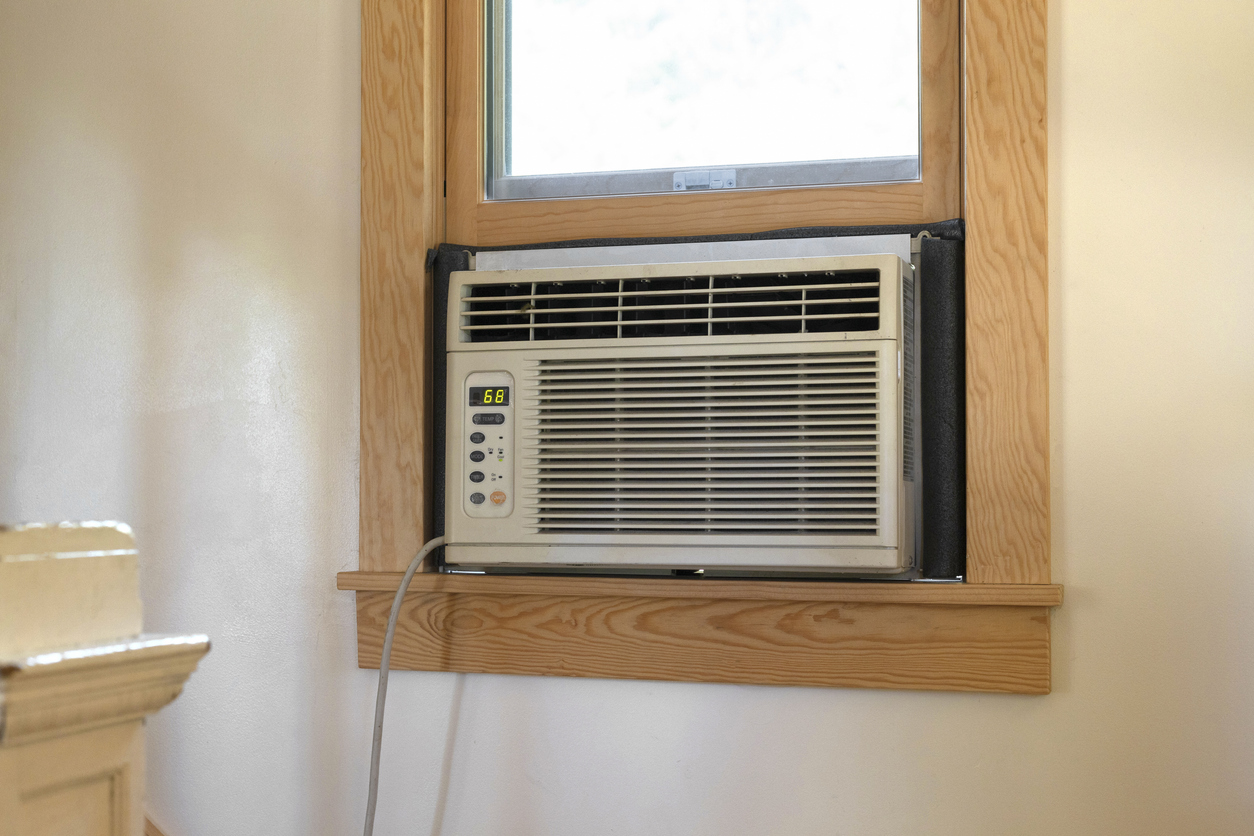


Your support keeps our reporters on the environmental beat.
Reader support is at the core of our nonprofit news model. Together, we can keep the environment in the headlines.