
Water and the New Normal: How Climate Change Is Rewriting the Rules
February 16, 2026
Share


In New England, many of us recall a time when our relationship with water felt predictable and peaceful. Spring brought rain, gradually giving way to drier summer and fall months. Thunderstorms and nor’easters swept through without much concern, and winter snowfalls brought only occasional delays or school cancellations. Rain and snowmelt came and went, quietly managed by storm drains to which most of us never gave a second thought. We cleaned gutters, raked leaves, and shoveled snow, living comfortably with water’s rhythms.
Recently, however, our relationship with water has changed. Rising temperatures driven by climate change are at the root of this shift. Each of our seasons is now warmer, and that warmth affects every part of our environment. Streams, ponds, forests, backyards, ballfields, and beaches — all are warmer than they used to be. This warming accelerates evaporation, allowing the atmosphere to hold more water and more energy. The result? Bigger, more frequent, and more intense storms. This is climate change in motion — altering how, when, and where precipitation falls across New England.
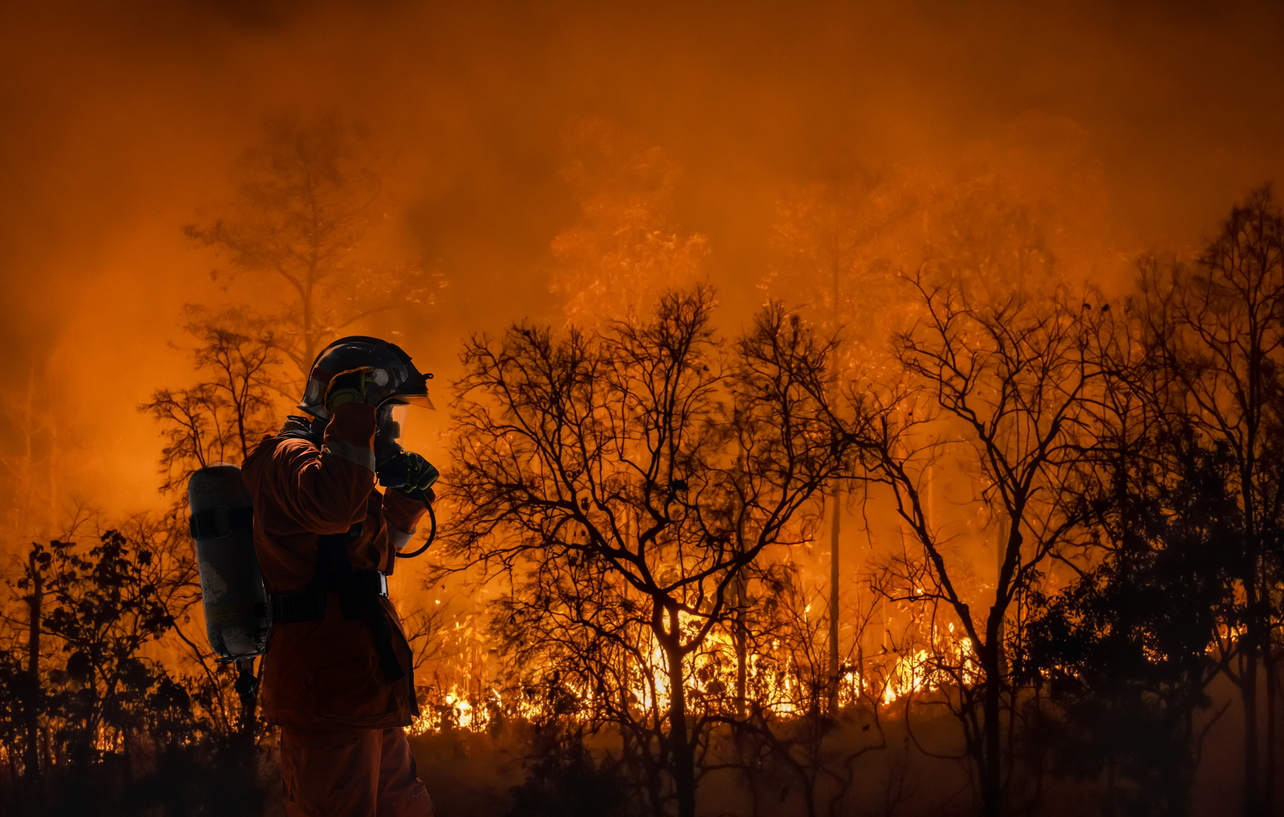
For the average person, this means flooded basements, waterlogged streets, and costly damages. For municipalities, it’s a wake-up call. Outdated storm drains and culverts designed for a different era are inadequate to manage today’s rainfall. And it’s not just the storms. Droughts are becoming more common, particularly in late summer and autumn, draining streams, drying wells, and leaving forests vulnerable to wildfires. Conditions we once associated with the western United States are now appearing in New England. Winter, too, is changing. Less snow and more ice lead to hazardous conditions, power outages, and wear-and-tear on infrastructure. Freeze-thaw cycles compromise roads and pipes, creating potholes and structural failures.
This “new normal” calls for a rethinking of how we develop our communities, maintain our infrastructure, and manage water. Paved surfaces such as roads and parking lots, and even rooftops, are critical pieces of the flooding equation. The more we build, the more runoff we create, and the more strain we place on aging drainage systems. Floodplain maps, once reliable, are outdated; many neighborhoods that were high and dry for decades now face periodic flooding. Streams overtop their banks more often, cutting off roads or even isolating entire neighborhoods.
Fortunately, experts in policy, design, and construction are developing solutions. Construction standards in flood-prone areas are beginning to take projected flood levels into account. Communities are adopting long-term hazard mitigation plans that identify vulnerable infrastructure, evacuation routes, and solutions to reduce risk. Funding sources for replacing undersized culverts are available, addressing “choke points” where floodwaters cause significant damage. Parks in flood-prone areas are being redesigned to safely flood during storms, providing much-needed flood storage while serving as community amenities in dry times.
So, what’s the role of the everyday citizen as we adapt to this evolving relationship with water? Understand that adaptation requires investment. Over the coming years, you may hear proposals for stormwater utilities, infrastructure upgrades, or increased municipal staffing. These measures may come with costs, but they are critical to adapting to this new reality. For example, a full-time grant writer can help your community access state and federal funds for infrastructure improvements. Planning staff can develop hazard mitigation plans, which are often required to unlock funding pools.
Similarly, investments in maintenance staff and equipment are essential. The cost of deferred maintenance often far outweighs the price of proactive action. Specialized storm drain cleaning equipment, mapping software for infrastructure tracking, and additional staff can help communities stay ahead of problems, preventing costly damage down the road.
It’s important to resist dismissive rhetoric. Stormwater utilities, for instance, are sometimes derided as a “rain tax.” This label is both misleading and counterproductive. Our stormwater infrastructure has been neglected for decades and is now being asked to manage more runoff than ever before. Unlike drinking water and wastewater systems, stormwater systems often lack dedicated revenue streams. Investing in this critical infrastructure is not optional — it’s necessary to safeguard homes, businesses, and public safety.
Adapting to this new relationship with water may not be easy, but it is possible. Our waterways and infrastructure are feeling the strain of climate change, but with smart planning, investment, and community involvement, we can build a more resilient future.
By recognizing the challenges and committing to action, we can restore a safer, more predictable relationship with water — one that ensures our communities can adapt to this “new normal.”
Nate Kelly has 20+ years experience in master planning, zoning, community engagement, and specialized plans. He is the president of the Horsley Witten Group.
Categories
Join the Discussion
View CommentsRecent Comments
Leave a Reply


Your support keeps our reporters on the environmental beat.
Reader support is at the core of our nonprofit news model. Together, we can keep the environment in the headlines.
I agree with most of what she says. When I was born, there were 2 billion people on this planet. Now there are 8. Deforestation to clear more farmland and runaway development of buildings and roads is a real problem. All weather is caused by the uneven heating of the earth’s surface. We have paved a huge amount, which affects weather cycles and, more importantly, the location of offshore currents like the Gulf stream and Humboldt current. Those affect the cloud and rainfall cycles, along with temperature changes. Notice that the “climate change” complaints often come from coastal areas.
Ecological overshoot. When an organism exceeds carrying capacity, the number of individuals an ecosystem can support without being degraded.This is the macro problem. Climate change is a sympton . Overconsuption is the problem. Reducing consumption is a political non starter as it is contrary to growth and would tank the global economy. Vote for me I am going to put limits on your lifestyle. Solution ; A protest movement,not on the streets but in each of our lives. We need to rebel against our role as consumers. By eliminating all nonessential consumption in mass we would colapse the current economic system that is driving overshoot. By design or dissaster this will happen as ecological overshoot is always temporary .Natural limits apply to the human animal . Our leaders are not going to solve this. There is a lot of science to support the above. It’s easy to find. Get educated and tell others.