
Region’s Governors Urge Reform of Federal Environmental Impact Assessments
November 3, 2025
Share


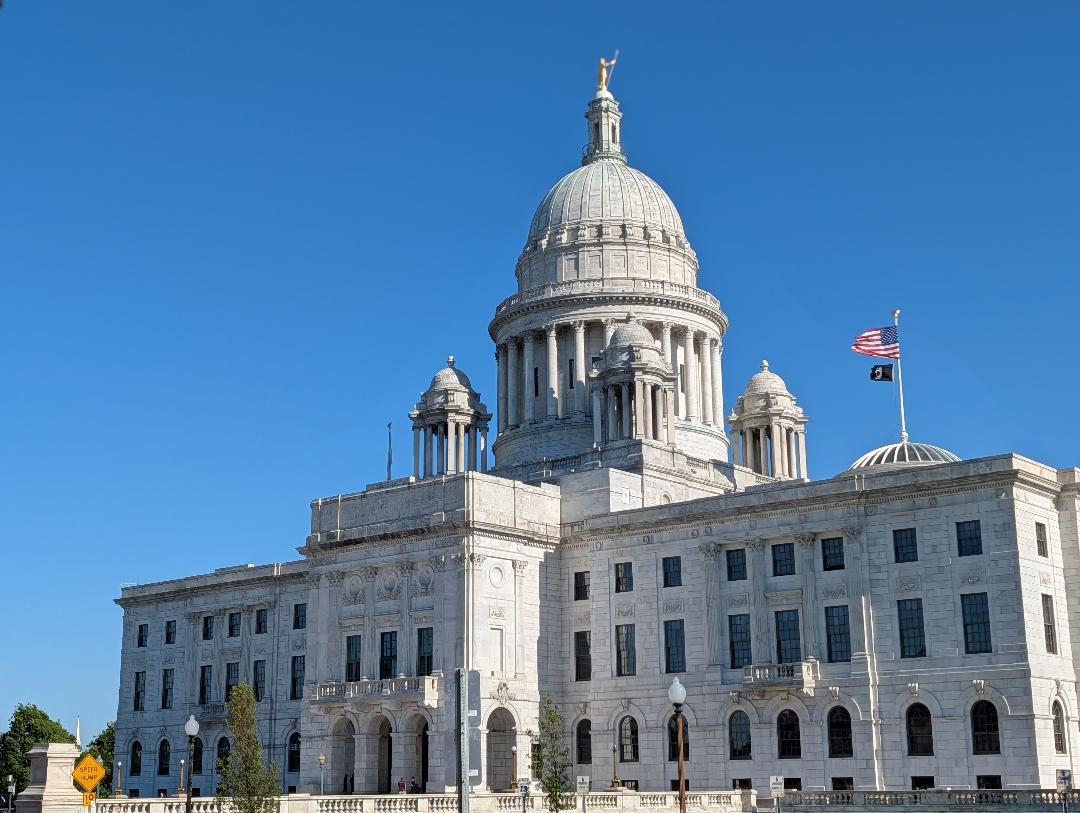
PROVIDENCE — Is it time to reform how the federal government assesses the environmental impact of energy projects? Gov. Dan McKee apparently thinks so.
The National Governors Association recently released a letter sent to Congress outlining a package of desired permitting reforms aimed at speeding up the development process of “critical energy infrastructure projects.”
The letter includes proposed changes to the National Environmental Policy Act (NEPA) and the Clean Water Act, reforms to nuclear energy regulation, and asks for beefing up the permitting offices of federal agencies.
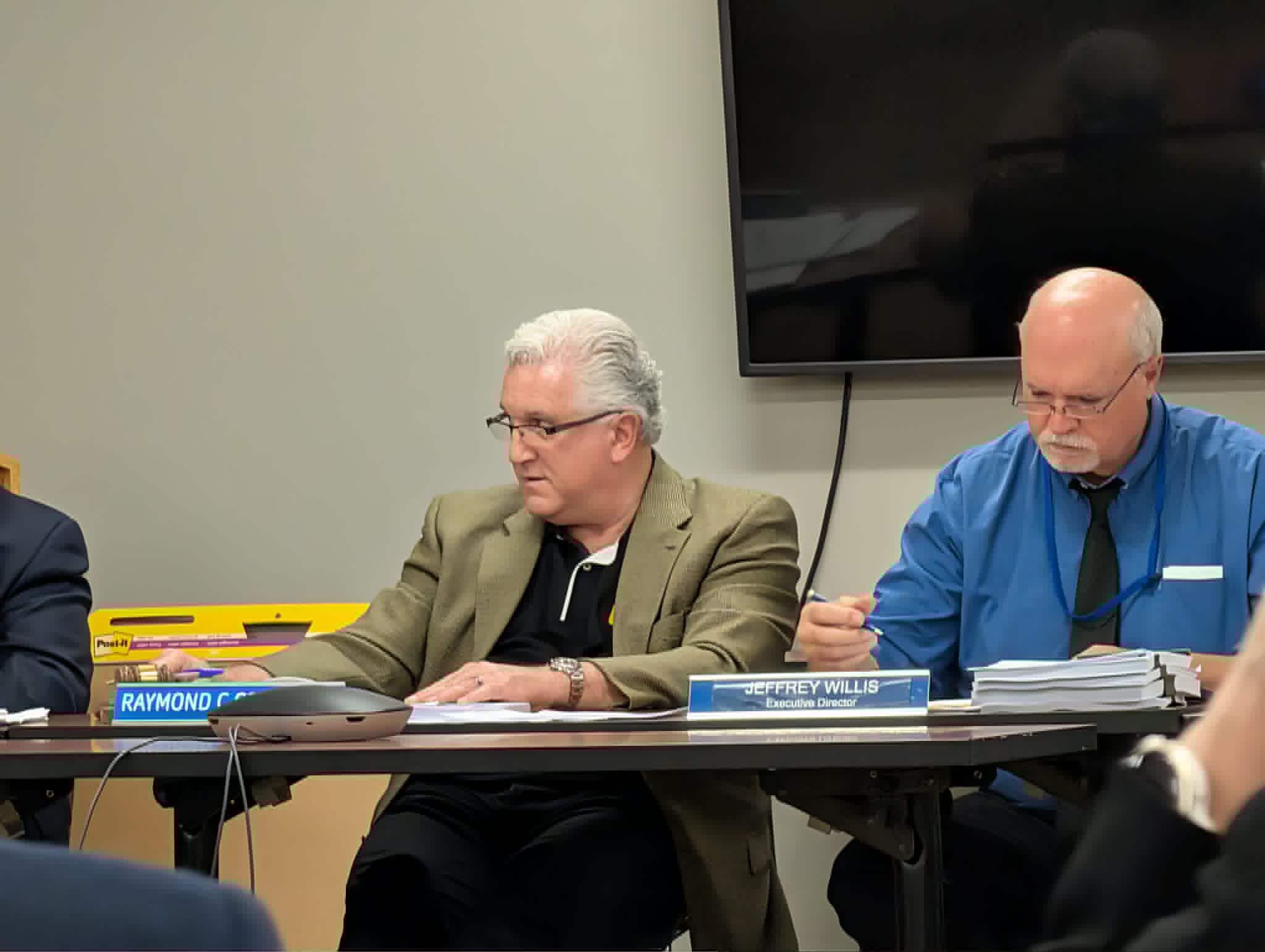
McKee was one of 13 signatories to the letter, a number which includes both Democrat and Republican governors. Massachusetts Gov. Maura Healey and Connecticut Gov. Ned Lamont also signed the letter, which is the result of an energy permitting working group formed by the governors in February, of which McKee was part.
“As a group we believe it is critical that federal permitting be administered in a technology-neutral and apolitical manner that allows energy projects of all types to move forward,” the governors wrote in the letter. “Given the current demands on the grid, ensuring reliability and keeping costs low for consumers requires that a diverse mix of energy types be permitted and brought online to help meet our resource needs.”
A statement from the 13 governors notes that each governor doesn’t necessarily endorse each specific reform, but are “in broad agreement on the need to improve federal energy permitting.” A spokesperson for McKee’s office didn’t respond to requests for further details.
Changes to how federal and local governments perform their environmental assessments and permitting has been a longstanding goal of reform advocates on both sides of the aisle. Environmental impact statements, while valuable to understanding the impact on energy projects to the environment and public health, take years to study, draft, and publish.
For Rhode Island, NEPA’s processes often come in the form of public comment on highway projects proposed by the state Department of Transportation. The National Resources Defense Council, for example, in 2015 pointed to the Route 403 expansion and relocation in North Kingstown as a local project where public input resulted in reduced damage to wetlands.
Most recently, the Revolution Wind and SouthCoast Wind projects issued environmental impact assessments, detailing the changes wind turbines and cables would bring to the ocean and fisheries.
The Trump administration has been keen to roll back much of the environmental oversight provisions to NEPA, citing permitting delays, and accusing the law of “holding back” growth. The “One Big Beautiful Bill” Act passed this summer allows companies going through the NEPA process to fast-track their projects so long as they pay a fee. The legislation also shortens the timeline for environmental impact statements to be issued, within six months.
The reforms backed by the governors are comparatively more modest. They want more permitting staff to speed up decision-making; the adoption of digital interagency systems; and electronic permitting.
They also want the category of projects which are considered to have no environmental impact to be expanded to include storage facilities, grid enhancing technologies, repowering existing or recently retired nuclear generation facilities, carbon capture, and geothermal power plants.
Under the proposed reforms to NEPA, the statute of limitations for filing a lawsuit against a NEPA decision would be reduced from six years to less than a year.
It’s not the only NEPA reform action from an Ocean State politician this year. U.S. Sen. Sheldon Whitehouse was reported to be working on a bipartisan compromise for NEPA reform in the Senate’s Environment and Public Works Committee. Whitehouse agreed about the need to speed up infrastructure projects, but told reporters a deal was unlikely given the Trump administration’s “lawless disregard for legislative authority and judicial orders,” according to reporting by Axios.
Categories
Join the Discussion
View CommentsRecent Comments
Leave a Reply

Your support keeps our reporters on the environmental beat.
Reader support is at the core of our nonprofit news model. Together, we can keep the environment in the headlines.
Low income communities need even more protection. Weakening NEPA meansourmarginalized commuities will be poisoned. If you want to speed up the process. make sure marginalized communities have a full set of resources to question the science, economics and politics of the people proposing to destroy ecosystems.
What a horrific idea – the environment is already at such risk and our leadership wants to lesson protections?!!! Particularly with green energy which already has far less environmental protection regulation than gas and oil. I smell green – as in the color of money.