
RI Energy Seeking to Trim Efficiency Incentives and Rebates for Residents
August 25, 2025
Share


PROVIDENCE — Environmental groups are warning state officials that proposed cuts to Rhode Island’s energy efficiency programs will raise utility bills, spark inflation, and put residents out of work.
Rhode Island’s energy efficiency programs offer residents a buffet of incentives and rebates aimed at saving on their home energy use. They range from purchasing energy-saving major appliances to weatherizing homes to conserve energy.
But Rhode Island Energy, the main utility company in the state that runs the programs, has proposed a 22% decrease in its budget compared to last year, arguing that it needs to be “right-sized” to ensure it remains cost-effective.
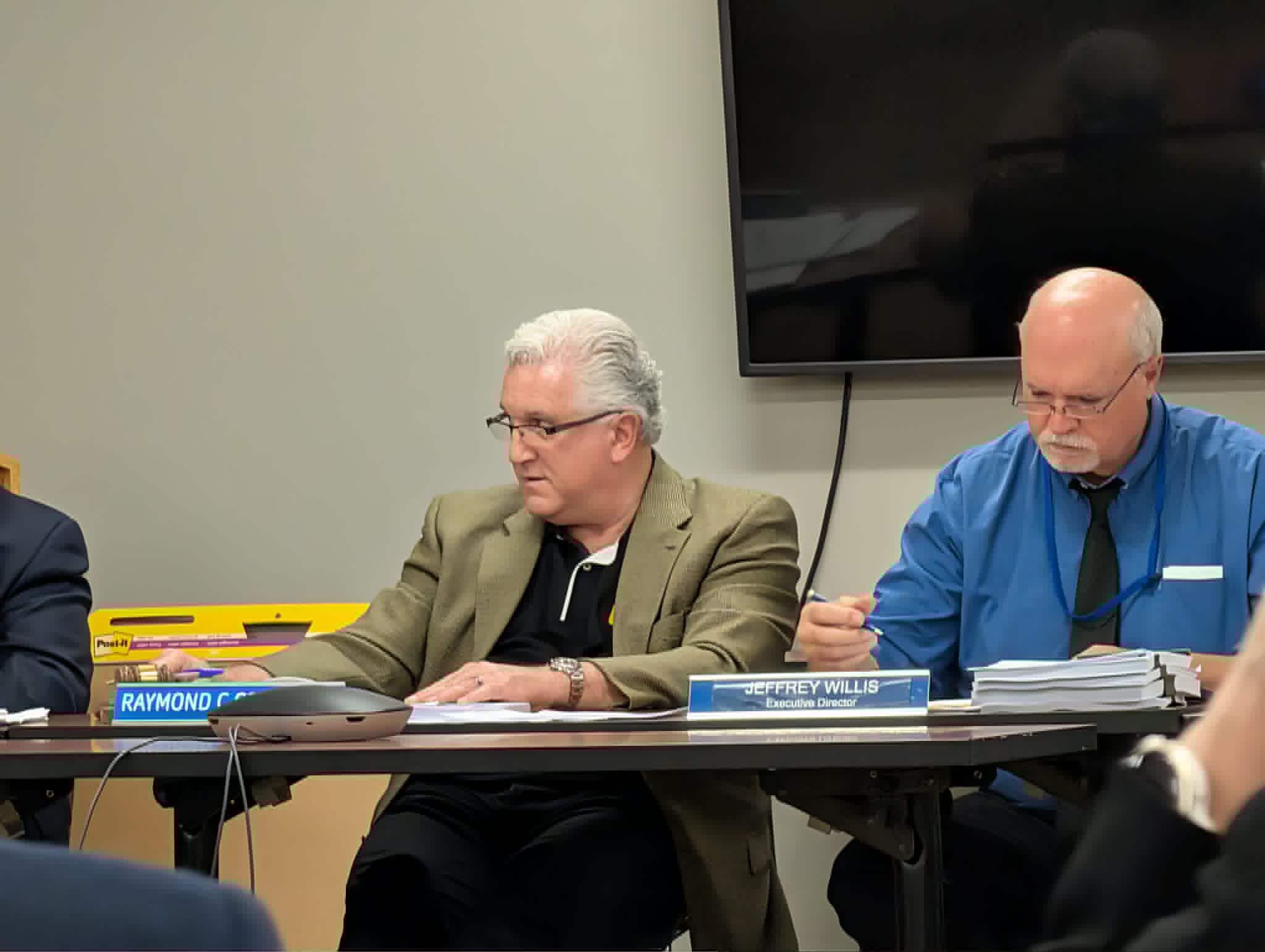
Members of the state Energy Efficiency Council, the public body that oversees Rhode Island Energy’s operation of the programs, met on Aug. 21 to review the second consecutive draft containing cuts to programs.
Environmental advocates, meanwhile, testified – for the second time – against any cuts to the program, arguing the benefits they provided were too valuable to lose to budget cuts. Serena Russell, policy coordinator for Climate Jobs Rhode Island, told council members the programs supported an estimated 740 full-time jobs, and that the budget cuts would reduce that to only 574 jobs.
“We sincerely appreciate the investments in energy efficiency and the impacts these programs have delivered so far, but this is not the time to scale them back,” Russell said.
Emily Koo, Rhode Island program director for the Acadia Center, told council members the budget cuts outlined in the draft plan were a disservice to Rhode Islanders, and that state officials should push back against cuts.
“The original three-year plan cuts in the second draft are a 30% budget reduction,” said Koo. “It will eliminate an estimated $92 million in benefits to all of Rhode Island.”
Koo and the Acadia Center also noted each energy efficiency plan was required to conduct a cost-benefit analysis for each program, and that neither the gas nor the electric program had shown to cost more than the benefits received from the program.
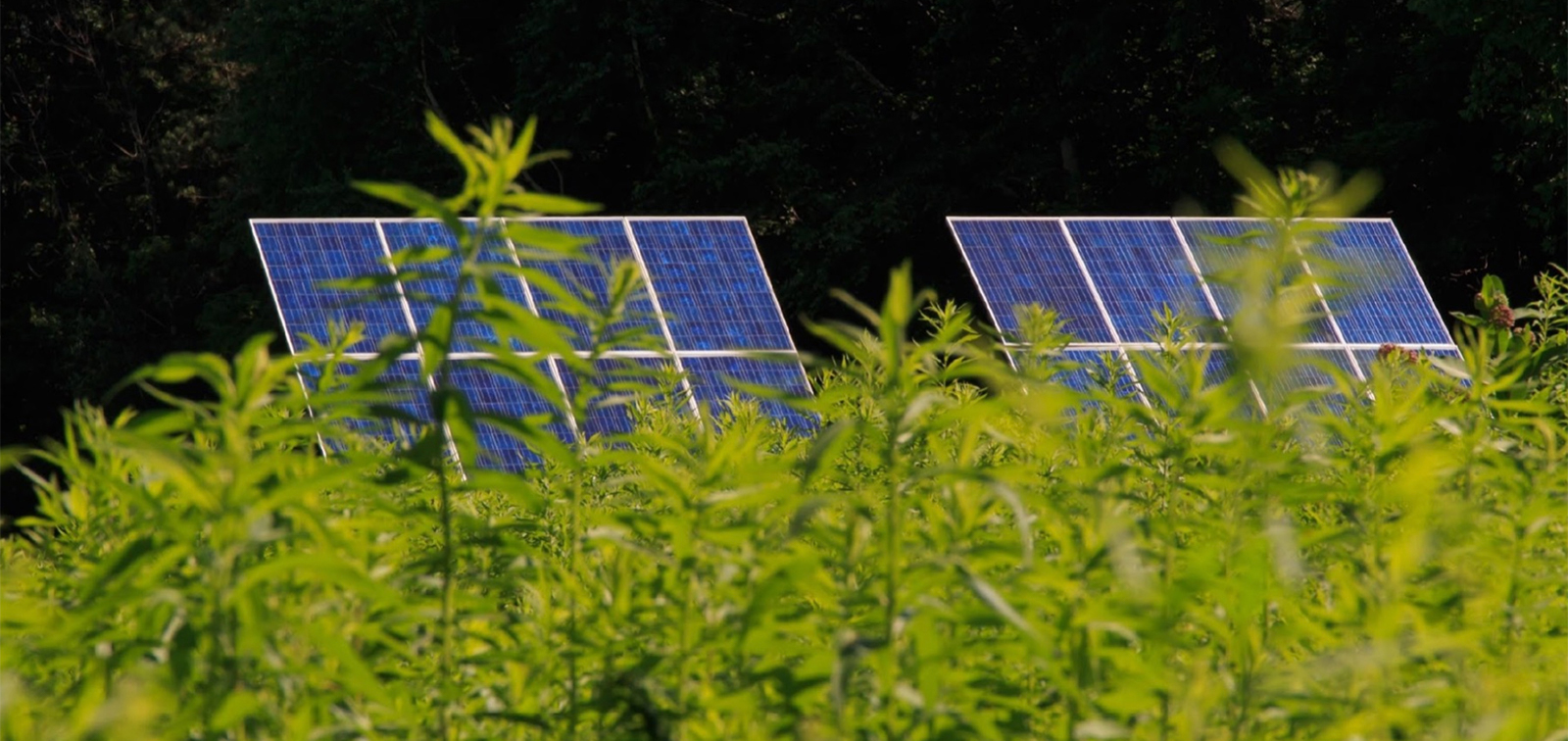
For environmental groups, it’s the worst time to lose the benefits from the programs. Energy efficiency programs in Rhode Island have reduced the total amount of energy — electricity and gas — used by residents, and thus lowered their monthly utility bills, as well as lowering demand on utility infrastructure.
There’s a bonus environmental benefit: lowered energy usage also reduces the amount of carbon and other emissions in the atmosphere. The state’s energy efficiency programs are some of the few that actually tackle building emissions, which account for 35.2% of all greenhouse gas produced in Rhode Island. Efforts to benchmark or find a comprehensive plan to reduce those emissions have fallen short in the General Assembly in recent years, despite the 2021 Act on Climate mandating a 45% reduction in the state’s emissions from 1990 levels by the end of this decade.
It’s also an area where Rhode Island actually performs pretty well compared to the rest of the nation. The American Council for an Energy-Efficient Economy ranks Rhode Island 12th nationwide for its energy efficiency programs.
In a preamble section of the second draft of proposed cuts, Rhode Island Energy defended the proposals, and asked stakeholders to take their concerns to different stakeholder forums and working group calls.
“These are not flat, top line spending cuts impacting all programs,” Rhode Island Energy wrote. “Many programs including those in the income eligible sector have seen no budget reductions. Rhode Island Energy reviewed each program, its past performance and future projections, weighed the stakeholder feedback received to date, and decided where best to spend ratepayer funds.”
Rhode Island Energy is expected to deliver its final draft of the plan for next year’s energy efficiency programs by Sept. 5, with a vote from the EEC on Sept, 25, followed by a filing with the Public Utilities Commission in early October.
Categories
Join the Discussion
View CommentsRecent Comments
Leave a Reply

Your support keeps our reporters on the environmental beat.
Reader support is at the core of our nonprofit news model. Together, we can keep the environment in the headlines.
At no time when rates went up skyrocketed actually did my pay at my full time job go up even by a little rent went up it’s insane and’delivery’ cost for my utilities are almost always the same as the actual cost for electricity how am I supposed to keep up? We need something more affordable and efficient
Why are my costs of living not coming down as promised? I am spending so much more to live in the current world. We need to take back our local economies and control of our lives. We do not want to shift our taxation to go to the billionaires rather than spending on our local needs! Where is the monies you promised a year ago?
RI Energy appears to have reduced their tree trimming program as well. Everywhere I drive I see tree limbs on the wires. Prepare for many power outages this winter and long wait times for repair. We the rate payers pay for the tree trimming service as part of the fees in our electric bill each month. What is RI Energy doing with all the money collected for this purpose?