
Proposed Clean Heat Standard Provokes Debate by House Committee
February 10, 2025
Share


PROVIDENCE — Is Rhode Island doing enough to meet the goals of the Act on Climate law?
That was the crux of a disagreement between some lawmakers on the House Environment and Natural Resources Committee on Thursday night.
On the agenda was a bill introduced by Rep. Terri Cortvriend, D-Portsmouth, to implement a statewide clean heat standard, which would create a credit system, not dissimilar to the Renewable Energy Standard already on the books, to push natural gas, heating oil and propane suppliers toward lowering emissions from fuel sales.
The vast majority of state residents use either natural gas or heating oil to heat their homes. Only a small sliver rely entirely on electric heat, or wood, and adoption of heat pumps has been slow and mostly limited to Rhode Island’s wealthier enclaves.
It’s not the first year that the legislation (H5167) has been introduced by Cortvriend, with the support of environmental groups such as the Green Energy Consumers Alliance, the Acadia Center, and the Conservation Law Foundation.
The legislation, advocates argue, is needed because the state lacks a clear pathway to meeting the net-zero emission goals outlined in Act on Climate. Existing programs, like Clean Heat Rhode Island, which recently paused its heat pump incentives program for the general public due to funding running out, are too meager for the state to achieve the next benchmark for emissions: a 45% reduction by 2030, advocates claim.
If passed, Rhode Island would be the third state to implement a clean heat standard, after Vermont and Colorado. Massachusetts has been developing a state standard since 2022.
“We are not on track to meet our Act on Climate goals,” Tina Munter, Rhode Island policy advocate for the Green Energy Consumers Alliance, told lawmakers on Thursday.
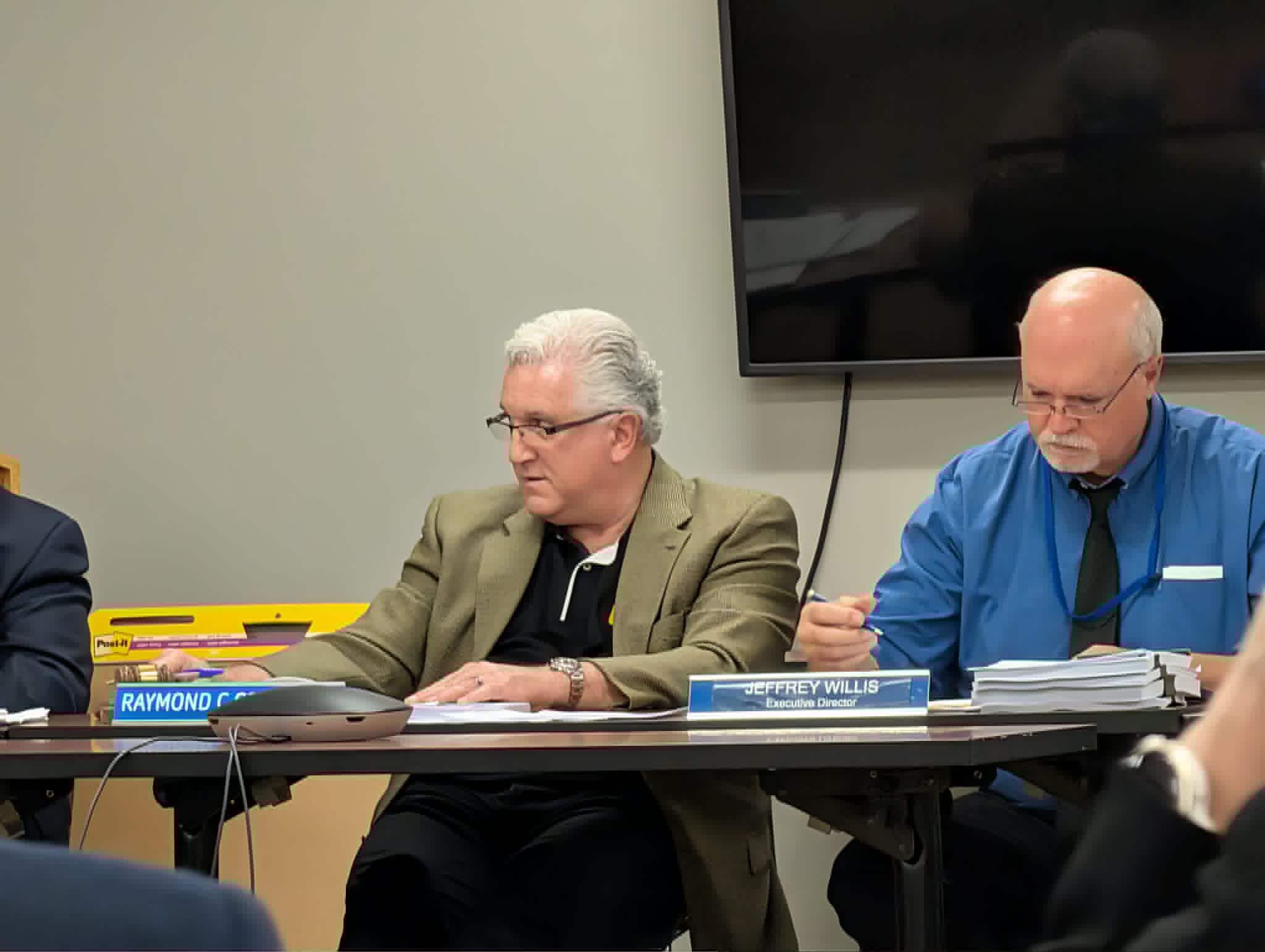
But some lawmakers on the committee took exception with the statement, pointing out the Act on Climate empowers the Executive Climate Change Coordinating Council (EC4) to plan and execute any policies the state needs to meet the law.
“My concern with this bill and every bill that’s going down like this, is making the EC4’s job harder to achieve the goals of the Act on Climate rather than easier,” said Rep. Jason Knight, D-Warren.
Rep. Lauren Carson, D-Newport, said she didn’t support or oppose the bill, but disputed whether the state was on track to meet climate goals, and said the EC4 should have time to do what the law requires for action.
“The EC4 is working on the plan that’s required by the end of this year,” Carson said. “And like it or not, that’s what the law says. There are things we should be doing in the meantime, but before we’re saying we’re not meeting the provisions of the Act on Climate I think we need to see what the plan is.”
The 14 member agencies of the EC4 are required to submit and publish a Climate Action Strategy by the end of 2025, detailing how the state will incrementally reduce its emissions, with stakeholder meetings expected throughout the rest of this year.
The need for a plan, particularly regarding heating and other emissions associated with buildings and structures, is strong. The state’s Renewable Energy Standard is designed to incrementally offset emissions from electricity consumption, and the rules on the phaseout of gas-powered cars adopted by state environmental officials is the closest method Rhode Island has to reduce transportation emissions in the near term.
The state’s biggest emissions blind spot remains buildings. Residences, commercial buildings, and industrial sites combined make up around 35% of the greenhouse gas emissions produced in Rhode Island, second only to the transportation sector.
State officials have set aside some programs and incentives for heat pump adoption. Most notably, Clean Heat RI, which set aside $25 million to award incentives to homeowners who install heat pumps. The program has had its problems but largely remains a success. Earlier this month the program had to pause some incentives for the foreseeable future due to all funds being obligated. The income-eligible incentive program remains open for applications.
Failing to meet the emission reduction goals of the Act on Climate will have big consequences for state officials, as it will open the state to legal challenges.
Terry Gray, director of the state Department of Environmental Management and chair of the EC4, and Christopher Kearns, acting energy commissioner for the Office of Energy Resources, submitted written testimony that the program should be housed within a different agency than the EC4, writing the entity “does not have the authority to promulgate regulations, does not have its own committed staff and has very little funding to utilize to support this work.”
Meanwhile, the legislation is opposed by Rhode Island Energy and industry groups for heating oil and propane. Nicholas Ucci, director of government affairs for Rhode Island Energy, told lawmakers the policy outlined in the legislation was “regressive,” with higher costs for ratepayers.
Along with program compliance costs, implementation of a clean heat standard could also result in “significant new administrative costs and resource burdens for affected state agencies and obligated entities,” wrote Ucci in his testimony, “as well as a need for substantial (and ongoing) consumer education campaigns.”
Knight echoed the sentiment, citing the high costs of gas and electricity in recent winters. “We have some people out there, if we put some of these mandates in it, would be crushingly expensive,” he said. “It would upend our economy, it would cause real pain for Rhode Island right now.”
H5167 was held for further study.
Categories
Join the Discussion
View CommentsRecent Comments
Leave a Reply


Your support keeps our reporters on the environmental beat.
Reader support is at the core of our nonprofit news model. Together, we can keep the environment in the headlines.
Do you know what is good for the environment? For all of the natural gas stoves, dryers, boilers and heating systems to stay in homes and not go to the landfill. Mandating electric heating and appliances requires removal and disposal of excellent natural gas and oil burning furnaces and appliances. Mandating electric vehicles is also foolish. How many parking garages are built well enough to handle the extra weight of all electric vehicles? How many homes will require electric updates at astronomical cost to the owners? The best course of action going forward is for the state to revisit the Act on Climate legislation until a clear, efficient and affordable solution is in place and operating the needed electric infrastructure. It is absolutely foolish for a law to be in place that all stakeholders know will not be met and clearly opens the taxpayers to law suits and financial repercussions. Everyone knows the government does not generate income all revenues are taken from the pocket of hard working individuals.