
Aging Energy Infrastructure Stressed by Increased Demand
July 20, 2026
Share


JAMESTOWN, R.I. — Rhode Island Energy officials announced last week that the company had fully repaired the submerged cable line from Newport that supplies electricity to the island town.
In a letter dated June 23 and sent to Jamestown customers, Rhode Island Energy officials wrote that they “had identified an issue” with the main power line that supplies electricity to Conanicut Island. The company installed backup generation on the island, and continued to be served by the backup electrical cable.
A utility spokesperson told ecoRI News no Jamestown customers experienced service interruptions thanks to the backup cable working as expected.
“The primary cable is now fully back in service, and customers are being serviced through the primary system as normal,” said Michael Dalo, manager of communications for Rhode Island Energy.
Dalo didn’t provide a reason for the cable’s failure.
State records show the last time the cable was replaced was in 2002, when the Coastal Resources Management Council granted Narragansett Electric, then-owned by National Grid, an agency assent to replace the cable.
It wasn’t the first time in Jamestown’s history a transmission line in the East Passage failed. In summer 2000, the Jamestown Press reported a cruise ship, Big Red Boat II, dragged its anchor across both underwater transmission cables, severing them and causing an island-wide blackout. The ship was making its way to Newport for a one-day stopover.
The island was without power for 17 hours while contractors repaired the damaged cable that stretched between Fort Weatherill and Fort Adams.
Sen. Dawn Euer, D-Newport, whose district includes Jamestown, posted a video on social media about the state’s “really old energy infrastructure” driving up utility bills.
“We need to be smarter and more efficient when we build these systems to make sure we’re putting ratepayers’ costs at the top of our mind when we’re doing these system upgrades,” Euer said in the video.
It’s a debate being had by state regulators and stakeholders this year as the state Public Utilities Commission considers changes to Rhode Island Energy’s base rate distribution charge, the first revision in nine years.
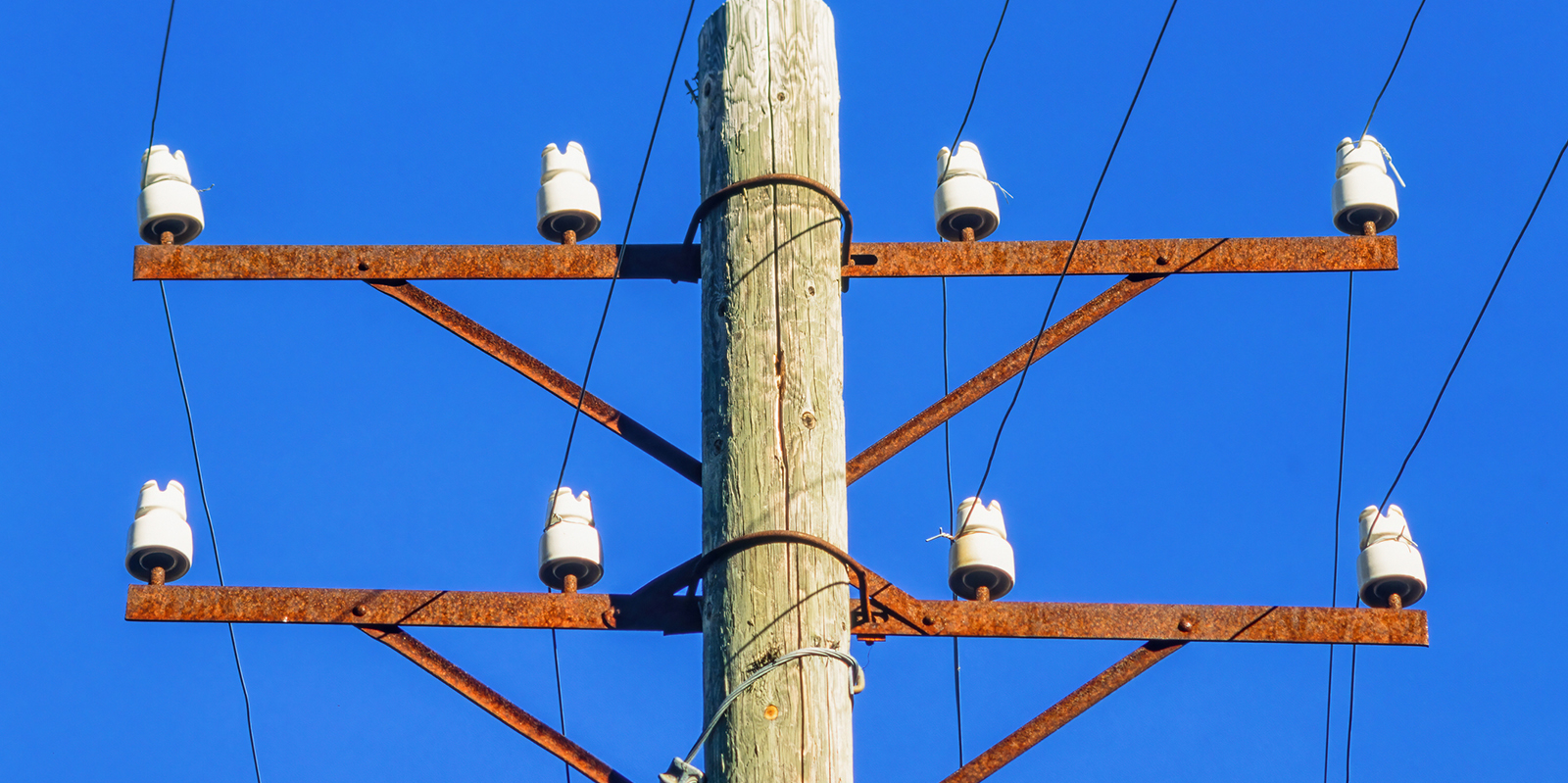
The charge compensates Rhode Island Energy for costs incurred running the distribution system for gas and electricity. For electricity, that means all the poles and wires, substations, transformers, and transmission lines, like the ones underneath the East Passage that supply electricity to Jamestown.
Rhode Island Energy’s proposed change to the base distribution charge would add an additional $7 per month, paying for dozens of different proposed projects in thousands of pages of regulatory filings that regulators are currently sifting through.
The United States has aging energy infrastructure — systems that were built more than 50 years ago, before electric vehicles, renewable energy, and other technologies that draw more power from the electrical grid were in wide use. Nearly 70% of all power transformers are more than 25 years old and prone to failure.
Categories
Join the Discussion
View CommentsRecent Comments
Leave a Reply

Your support keeps our reporters on the environmental beat.
Reader support is at the core of our nonprofit news model. Together, we can keep the environment in the headlines.
Routine maintenance is a cost of doing business. Yes, l understand that the customer ends up usually paying for it in increased fees, but I firmly believe that utility companies should split the costs with its customers. The customers should cover one half of routine maintenance costs, and the other half should be borne out of the profits being distributed to the stockholders. Afterall if you don’t have a product for sale then you can’t claim any profits. Electricity is the product, if you can’t deliver it to the customers because you have not maintained the lines then you shouldn’t be able to say it is the customers’ fault, it isn’t. It is the companies’ fault for not maintaining the infrastructure.